India Presses China on Trade Gap, Market Access at ASEAN — SkimNews
Get the Geopolitics newsletter
Daily geopolitics — wars, elections, sanctions, the diplomatic moves that move markets. Free.
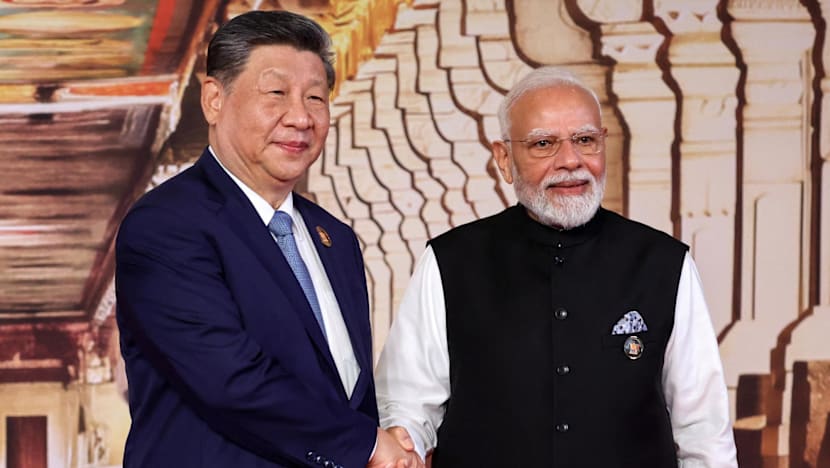
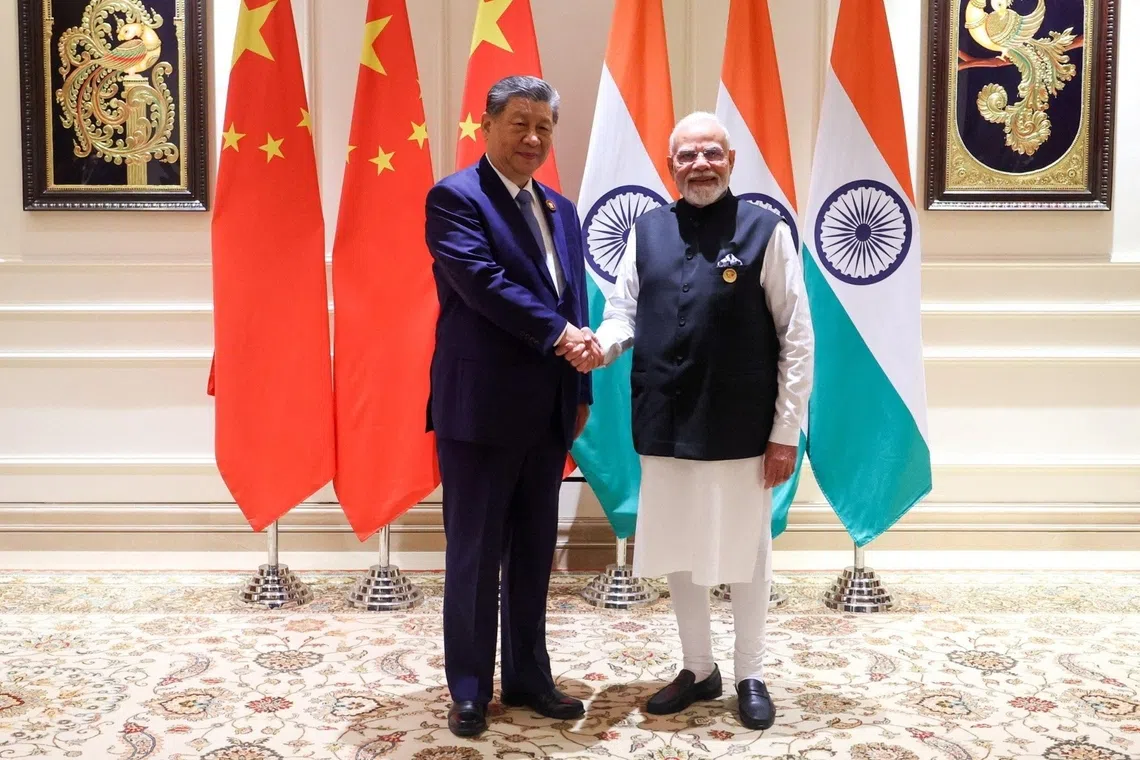
- Subrahmanyam Jaishankar pressed Wang Yi on market access, predictable supply chains, and the widening trade imbalance during a July 22 bilateral on the sidelines of the ASEAN summit in Manila, calling these 'issues that need to be addressed.'
- Jaishankar cited resumed direct flights, easier visa rules, revival of the Kailash Mansarovar pilgrimage, and restored border trade as 'welcome signs' that ties were gradually normalising.
- The push to stabilise relations comes amid the Middle East conflict and unpredictable US tariffs that 'threaten to upend global trade,' giving New Delhi and Beijing greater incentive to reduce frictions and diversify options.
- In April 2020, India tightened scrutiny of inflows from border-sharing nations via the Press Note 3 rules, aimed largely at China after a deadly Himalayan clash later that year.
- Earlier in 2026, New Delhi eased those Press Note 3 rules to support local manufacturing, signalling improving economic ties with its largest neighbour.
- India is hosting this year's BRICS summit; Jaishankar appreciated China's support during India's chairship and called for facilitating 'both official and people-to-people exchanges' per mutual priorities.
Why it matters: Jaishankar explicitly named the Middle East conflict and US tariff unpredictability as giving both nations greater incentive to reduce frictions, framing the thaw as strategic rather than sentimental. The earlier-2026 easing of the 2020 Press Note 3 investment curbs, combined with restored flights and pilgrimage access, marks a concrete reset after the deadly Himalayan standoff — opening the most predictable bilateral environment for Chinese exporters and Indian manufacturers since 2020.
Ask SkimNews