India detains Abhijit Dipke ahead of Delhi election protest — SkimNews
Get the Geopolitics newsletter
Daily geopolitics — wars, elections, sanctions, the diplomatic moves that move markets. Free.
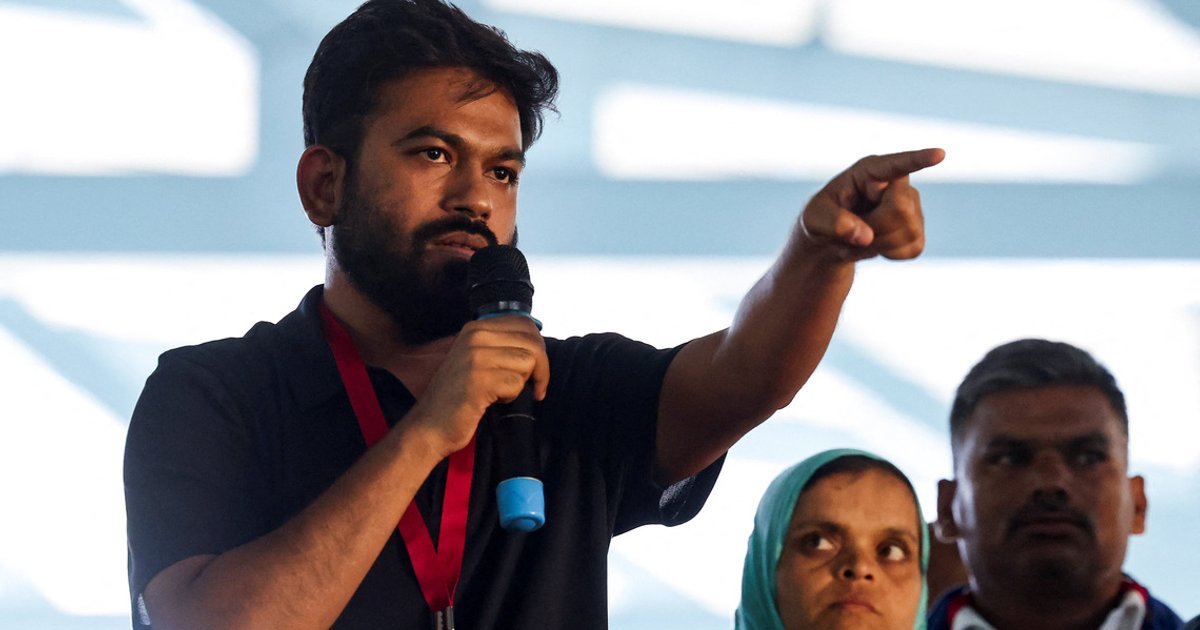
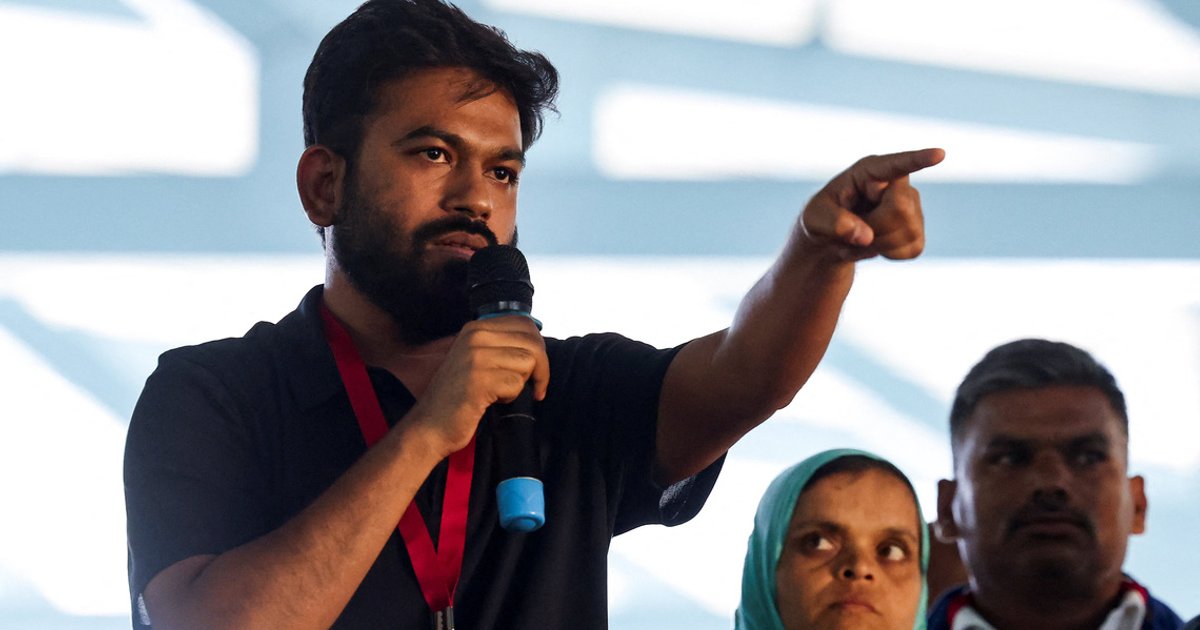
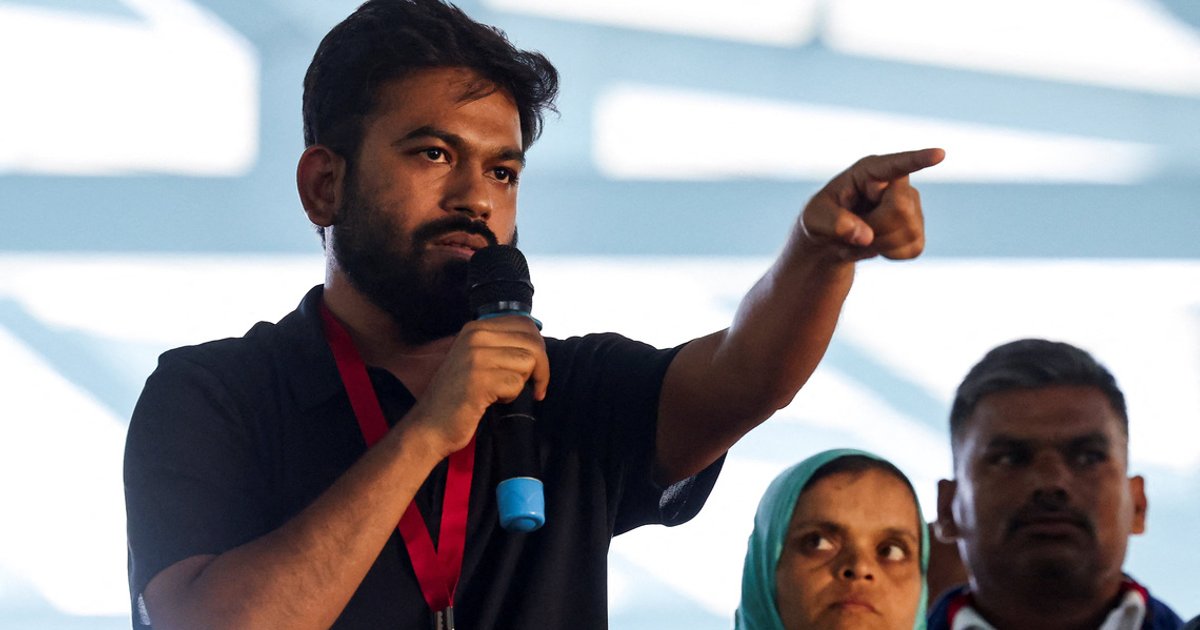
- Abhijit Dipke was detained by Indian police on Oct 10 as his plane landed in New Delhi, ahead of a rally demanding the resignation of election commission chief Gyanesh Kumar over alleged voter list manipulation that critics say dropped about 130 million voters from a draft roll — a figure larger than Japan's population.
- The Cockroach Janta Party (CJP) grew from Dipke's six-word viral response — "What if all cockroaches come together?" — to Supreme Court Chief Justice Surya Kant's remarks likening unemployed youth to "cockroaches," mobilizing protests that culminated in Education Minister Dharmendra Pradhan's July 25 resignation, a rare Cabinet exit under Prime Minister Narendra Modi.
- Dipke, 31, was born into a Dalit family on the lower rungs of India's caste system and returned to India after earning a master's in public relations in the U.S.; he led a protest in the southern tech hub of Bengaluru before traveling via Mumbai to New Delhi, where police also detained senior group leaders Saurav Das and Ashutosh Ranka.
- The CJP movement previously drove protests over leaks of a medical entrance examination paper affecting about 2 million candidates, and has campaigned on government school infrastructure and youth employment issues beyond the current voter-roll dispute.
- Delhi authorities deployed thousands of security forces with travel and telecommunication links suspended in a lockdown to block the youth demonstration, though Dipke urged supporters to demonstrate peacefully, citing Mahatma Gandhi's tradition of non-violence.
Why it matters: A 31-year-old Dalit activist whose online satire movement already forced one Cabinet resignation now targets the head of India's election commission, with ~130 million voters at stake — testing whether Modi's government can withstand youth-led street pressure on democratic institutions. The election panel insists the flagged entries can re-enroll, but the escalation suggests a new, social-media-native protest vector is reshaping Indian politics.
Ask SkimNews