South Korean students detained for allegedly breaking into US military base — SkimNews
Get the Geopolitics newsletter
Daily geopolitics — wars, elections, sanctions, the diplomatic moves that move markets. Free.
- Osan Air Base incident: U.S. military personnel detained four male and four female students after they allegedly entered the base through the main gate Tuesday; the group was transferred to South Korean police custody.
- South Korean police are investigating all eight students under a law protecting military installations, and said every detainee invoked the right to remain silent during questioning.
- U.S. military called the attempt to unlawfully enter the base through the main gate an action taken "extremely seriously," pledging to address it under U.S. and South Korean procedures.
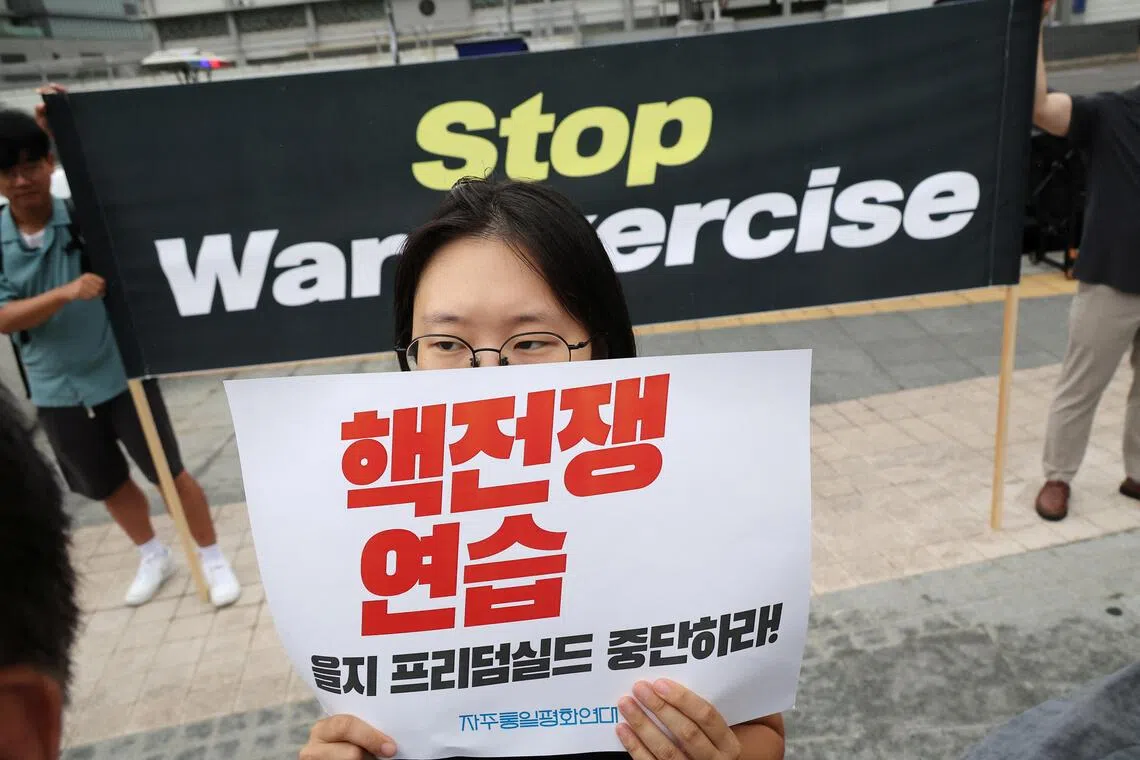
- Korean Progressive University Student Union identified the detained students as its members, saying the action was a protest against what it called the U.S. military's opposition to a South Korean semiconductor cluster project.
- Yonhap news agency reported the U.S. has told South Korea it has important interests in a military airport set to be relocated to make way for the semiconductor project — the concrete dispute the students cited.
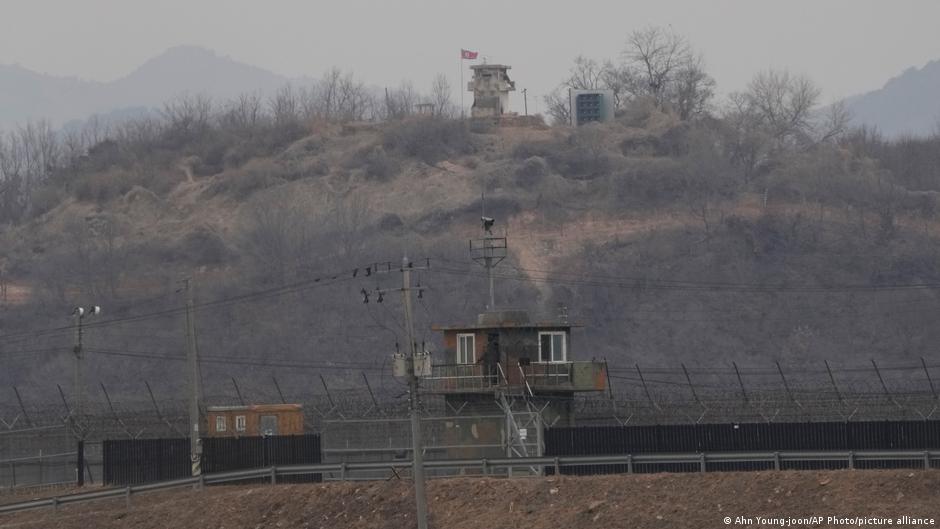
- About 28,500 U.S. troops remain stationed in South Korea to deter North Korean aggression, a legacy of the 1950-53 Korean War armistice, against a backdrop where most South Koreans support the alliance but anti-U.S. sentiment persists.
- In a 2019 precedent, South Korean police arrested four students who broke into the U.S. ambassador's residence in Seoul to protest Trump-era cost-sharing demands for U.S. troops.
Why it matters: The break-in was publicly framed as generic anti-U.S. sloganeering, but the Korean Progressive University Student Union ties it to a specific economic flashpoint: a South Korean semiconductor cluster project clashing with a U.S.-interests military airport relocation. That converts a routine trespass into a protest over how 28,500 U.S. troops' footprint intersects with Seoul's industrial strategy.
Ask SkimNews