Iran Uses Cluster Munitions in Israel War; 3 Killed — SkimNews
Get the Geopolitics newsletter
Daily geopolitics — wars, elections, sanctions, the diplomatic moves that move markets. Free.
- Israel says roughly half the projectiles Iran launched during their 10-day war were cluster munitions, which scatter bomblets across wide areas at 7-10 km altitude and are difficult for missile defenses to intercept
- Iran's Khorramshahr medium-range and Zolfaghar shorter-range ballistic missiles carry cluster warheads containing 20-24 submunitions each, with explosives weighing up to 5 kilograms
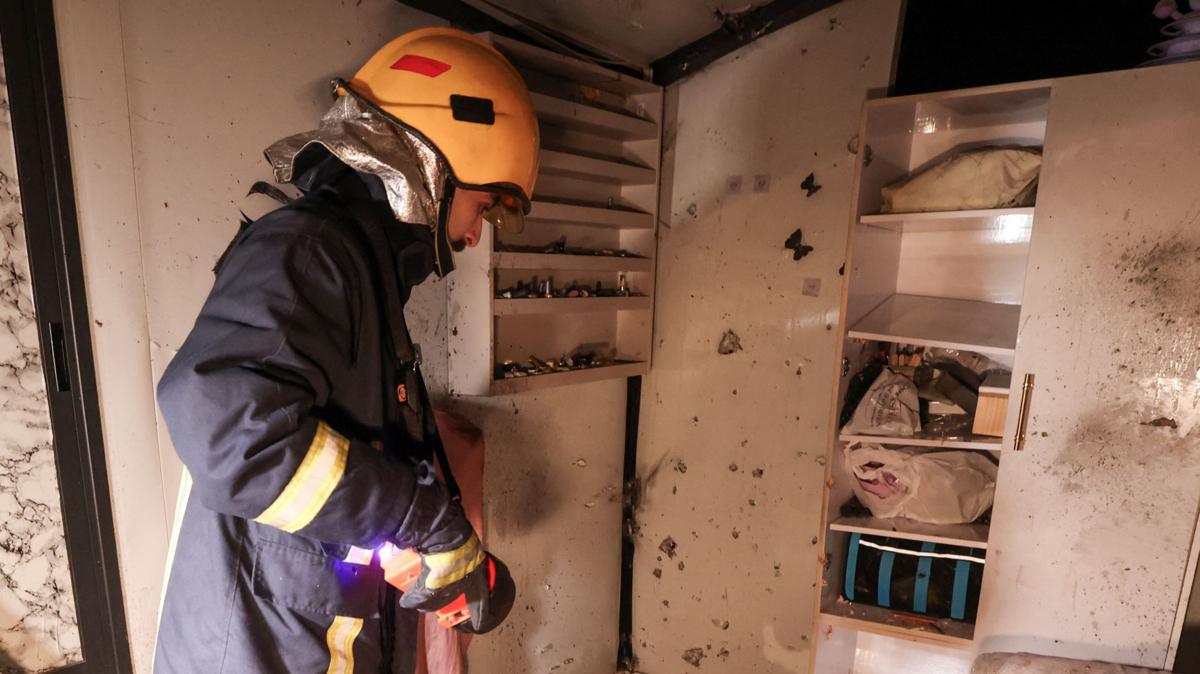
- The bomblets have killed at least three Israelis, including two at a central Israel construction site Tuesday, and often fail to explode—remaining dangerous like land mines long after strikes
- Arms researcher N.R. Jenzen-Jones said the Iranian design scatters submunitions so widely it 'was designed purely as a weapon of terror, scattering its explosive cargo indiscriminately over a wide area'
- Amnesty International said in July 2025 that Iran's deliberate use of such weapons is 'a blatant violation of international humanitarian law'
- Over 120 countries have signed the Convention on Cluster Munitions banning their use; Israel, the United States, and Iran are not parties to the treaty
- Israel says it is not currently using cluster bombs, though a 2006 U.N. estimate found 30-40% of its cluster munitions in Lebanon failed to explode
Why it matters: With roughly half of Iran's projectiles now cluster munitions and a historical 30-40% dud rate, unexploded bomblets will leave Israeli civilian areas dangerous for years—mirroring the post-2006 Lebanon crisis that left hundreds of thousands of unexploded ordnance scattered across the south.
Ask SkimNews