ER boarding forces hallway exams, missed diagnoses — SkimNews

Get the Health newsletter
Daily health & science — research, biotech, public health, the studies worth knowing. Free.
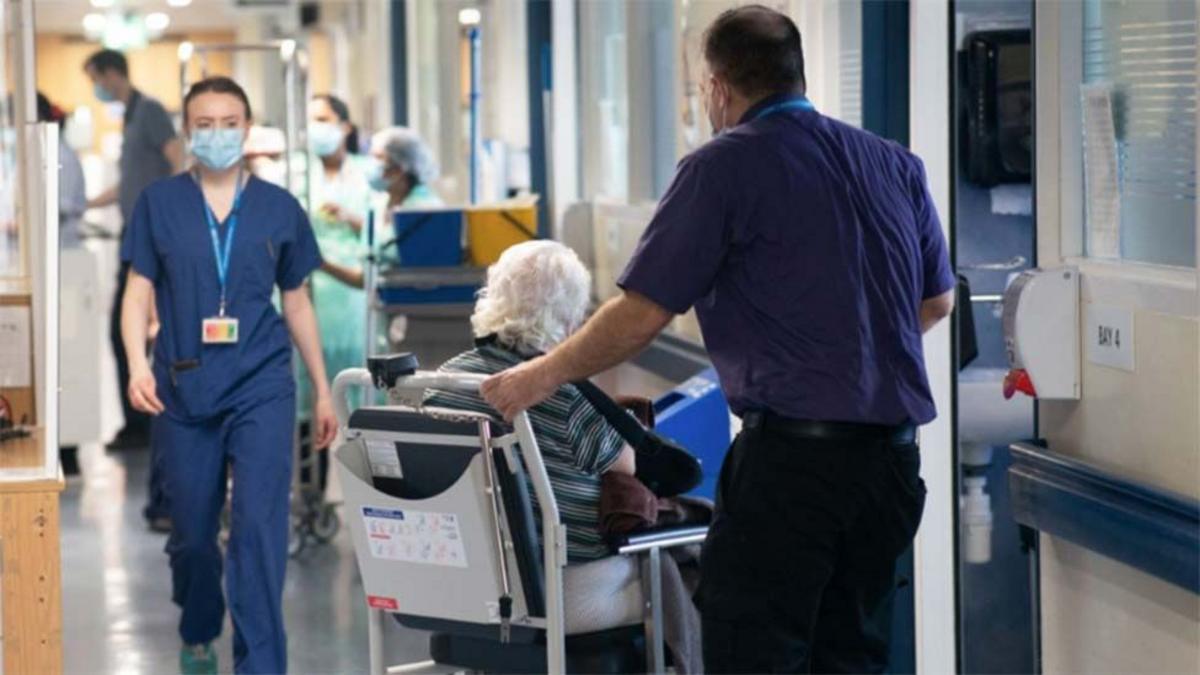
- ER visits in the United States rose from 128.97 million in 2010 to 155.4 million in 2022, as hospitals face rising occupancy and fewer available beds, fueling a national boarding crisis that turns hallways into makeshift treatment zones.
- Patient Cara M., denied a primary care appointment for three weeks, was treated for a migraine in a bright, noisy hallway bed, using a blanket over her eyes as overhead announcements repeatedly interrupted the exam.
- The author's mother, after falling in her New York memory care unit, was placed in a hallway bed where her calls for bathroom help went unanswered and her gown drooped off her shoulder — leaving the physician, her son, 'disgraced' rather than angry.
- With patient Mr. S, the physician's physical exam was done 'mainly through his clothes' in the hallway, forcing post-hoc rationalizations about how much skin to expose for an abdominal or lung exam.
- With patient Mrs. G, an independent woman in her 80s, the author missed a flank bruise from prior falls because he did not raise her blouse to inspect her skin — an oversight he says he would not have made in a private room.
- With patient Mrs. V., the physician had to deliver news of likely malignant abdominal masses in a hallway bed with no private area, leaving her sobbing in public as onlookers stared then quickly turned away.
- The author warns that for emergency medicine residents who trained during the pandemic, hallway patients are simply their normal — a generational shift he says has shaved 'layers of the moral tenets and high standards' from the specialty.
Why it matters: Boarding is a downstream effect of primary care's collapse — Cara M. waited three weeks for an appointment that didn't exist — and hallway medicine is now the baseline for pandemic-trained residents. Patients absorb the cost in missed diagnoses, public grief, and stripped dignity. The ER safety net is failing from both sides.
Ask SkimNews