SpaceX IPO Lands as Data Shows Hot IPOs Lag the S&P 500 — SkimNews

Get the Finance newsletter
Daily finance — markets, central banks, M&A, the prints that move money. Free.
- Reuters analysis of the 50 IPOs with the highest valuations over the past five years found investors would have done better buying an S&P 500 index fund roughly 75% of the time, with an average gain of 27% on the IPOs versus 53% for the S&P 500 through May 21.
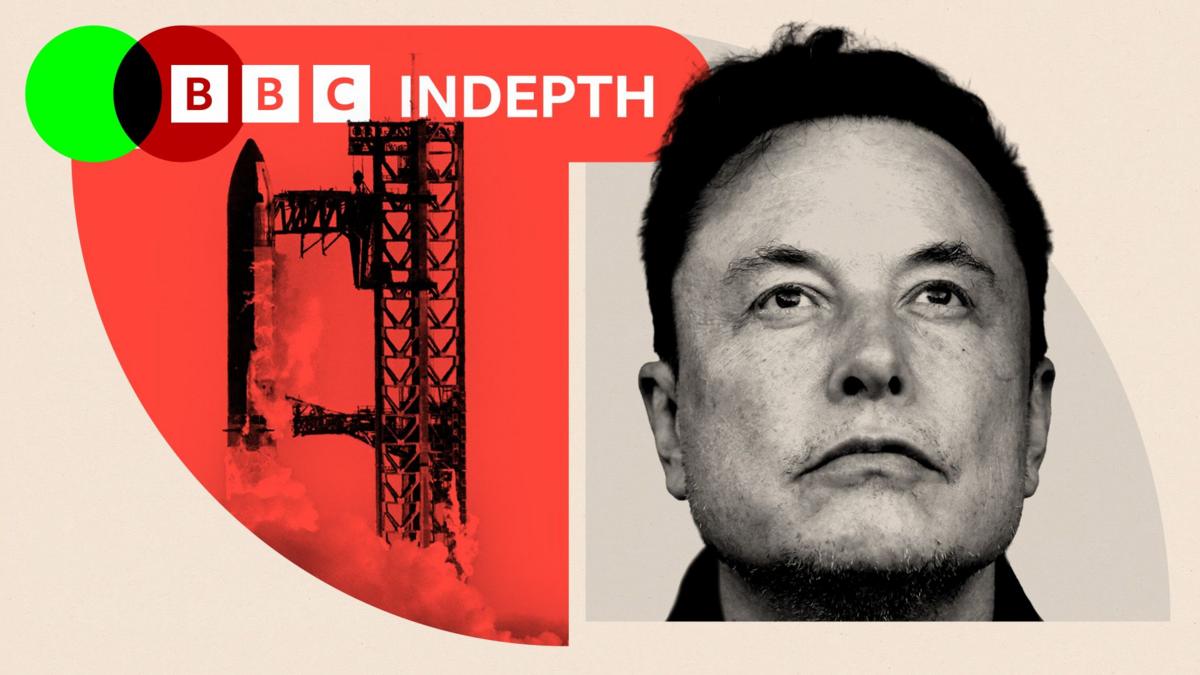
- SpaceX filed its prospectus on Wednesday for a debut under the ticker "SPCX" that could come as early as June 11, targeting a $1.75 trillion valuation, with founder Elon Musk making shares available to retail investors at a lower price through Robinhood, SoFi and other trading platforms.
- At that valuation, SpaceX's price-to-sales ratio would be nearly 100 — more than four times Nvidia's 24 — and the company lost nearly $5 billion last year, with University of Florida professor Jay Ritter warning that high price-to-sales IPOs historically fare the worst.
- Astera Labs and Arm Holdings were the standout winners in the analysis, surging over 700% and roughly 400% respectively since their 2024 and 2023 IPOs, both outpacing the S&P 500.
- The biggest disappointments were stark: Didi Global was delisted from the NYSE in 2022 and is now down about 74% from its $14 IPO price, while Rivian has slumped 82% since its 2021 debut and is burning roughly $1 billion in cash every quarter.
- Figma nearly quadrupled in its first trading session last July, but is down 35% from its $33 IPO price as investors worry that generative AI could commoditize its design-software technology; Cerebras Systems soared 52% from its May 14 IPO price but is down roughly 27% from its first intraday high.
- SpaceX's debut is expected to be followed by OpenAI and Anthropic listings, tapping into AI demand that has pushed the U.S. stock market to record highs, per the report.
Why it matters: SpaceX's $1.75 trillion target implies a price-to-sales ratio near 100 and follows a $5 billion annual loss — exactly the kind of high-multiple profile Ritter's research flags as worst-performing. Musk's decision to let retail in via Robinhood and SoFi at lower prices doesn't change the math: the 50 biggest IPOs of the last five years returned 27% on average versus 53% for the S&P 500, and the next wave of OpenAI and Anthropic debuts will test the same thesis.
Ask SkimNews