La Calera Slashes Coca-Cola Femsa Water Concession — SkimNews

Get the Energy newsletter
Daily energy & climate — solar, EVs, oil, the policy fights and tech bets shaping the transition. Free.
- La Calera residents endured up to 15 days of water rationing per month during a severe drought (April 2024–April 2025), even though the town hosts the Chingaza reservoir that supplies roughly 70% of Bogotá's drinking water and dropped to a record low 15% full during one of the five strongest El Niño events on record.
- Indega, a Coca-Cola Femsa subsidiary that bottles the Agua Manantial spring water brand, paid just 120 pesos per cubic meter to extract water while local households were charged between 697 and 3,720 pesos per cubic meter depending on income.
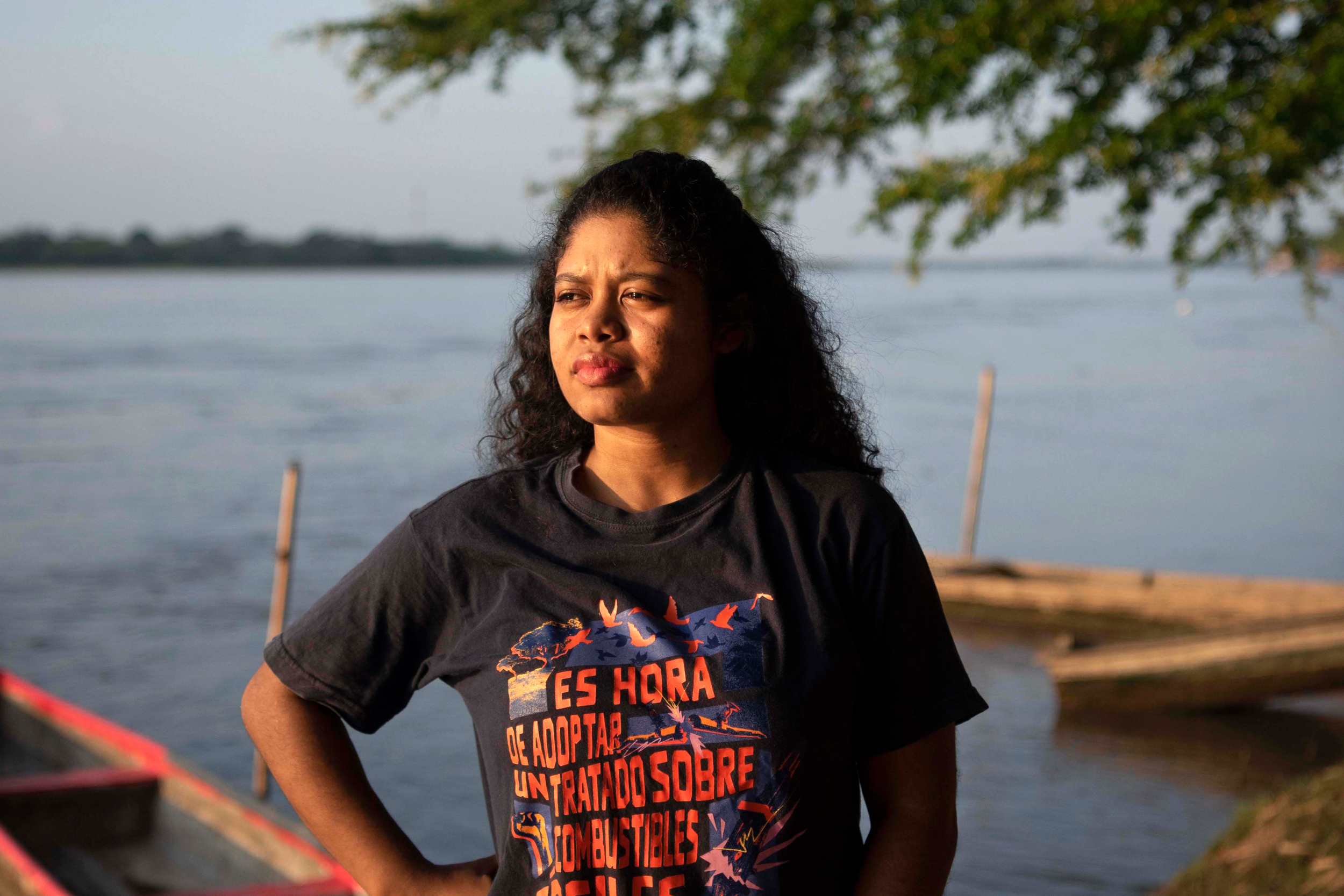
- Local activists Javier Cifuentes and Herminia Cristancho, backed by the legal nonprofit Cajar, formally opposed Indega's concession renewal in October 2024, with Cristancho's female-led Association of Hamlets accessing hundreds of documents on the company's water use.
- In April 2025, Colombia's regional autonomous corporation (CAR) renewed the concession but slashed Indega's extraction rate from 3.23 to 1.9 liters per second, cut the number of usable springs from seven to four, halved the concession term from 10 to 5 years, and added a clause allowing temporary suspension during severe drought.
- Cifuentes and Cristancho reported sustained intimidation during the campaign, including a March 2025 gunpoint threat to Cifuentes, masked men on motorbikes following his car, social media smears, and pamphlets labeling him a "fake Indigenous drug addict"; Cifuentes, a leader of the local Muisca Indigenous people, now lives under state protection.
- Colombia recorded the world's highest number of murdered land defenders between 2012 and 2024, and the concession battle split La Calera, with some rural residents defending Indega for the jobs and infrastructure investment it brings.
Why it matters: The concession cut — extraction cut from 3.23 to 1.9 liters per second, springs reduced from seven to four, term halved, with new drought-suspension powers — is a rare win for environmental activism in Colombia, which leads the world in murdered land defenders. For Coca-Cola Femsa, losing a resource-rate fight at one subsidiary plants a playbook that other drought-hit communities near its Latin American bottling operations can now copy.
Ask SkimNews