Stanford’s new microscope reveals living cells like never before — SkimNews
Get the Health newsletter
Daily health & science — research, biotech, public health, the studies worth knowing. Free.
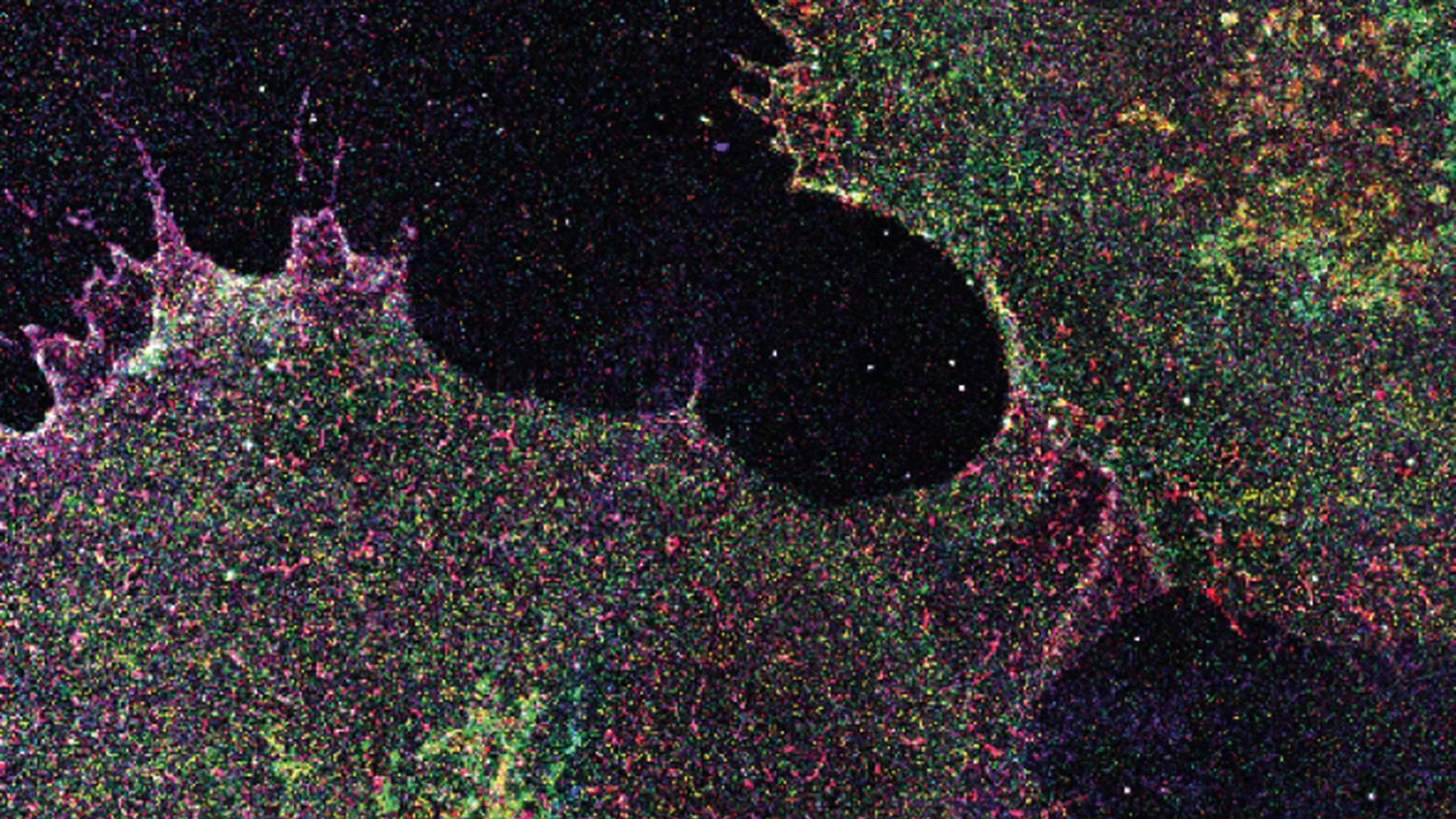
- Stanford's iISM microscope achieves roughly 120 nm lateral resolution inside living cells without any fluorescent labels, according to a paper in the Nature portfolio journal Light: Science and Applications.
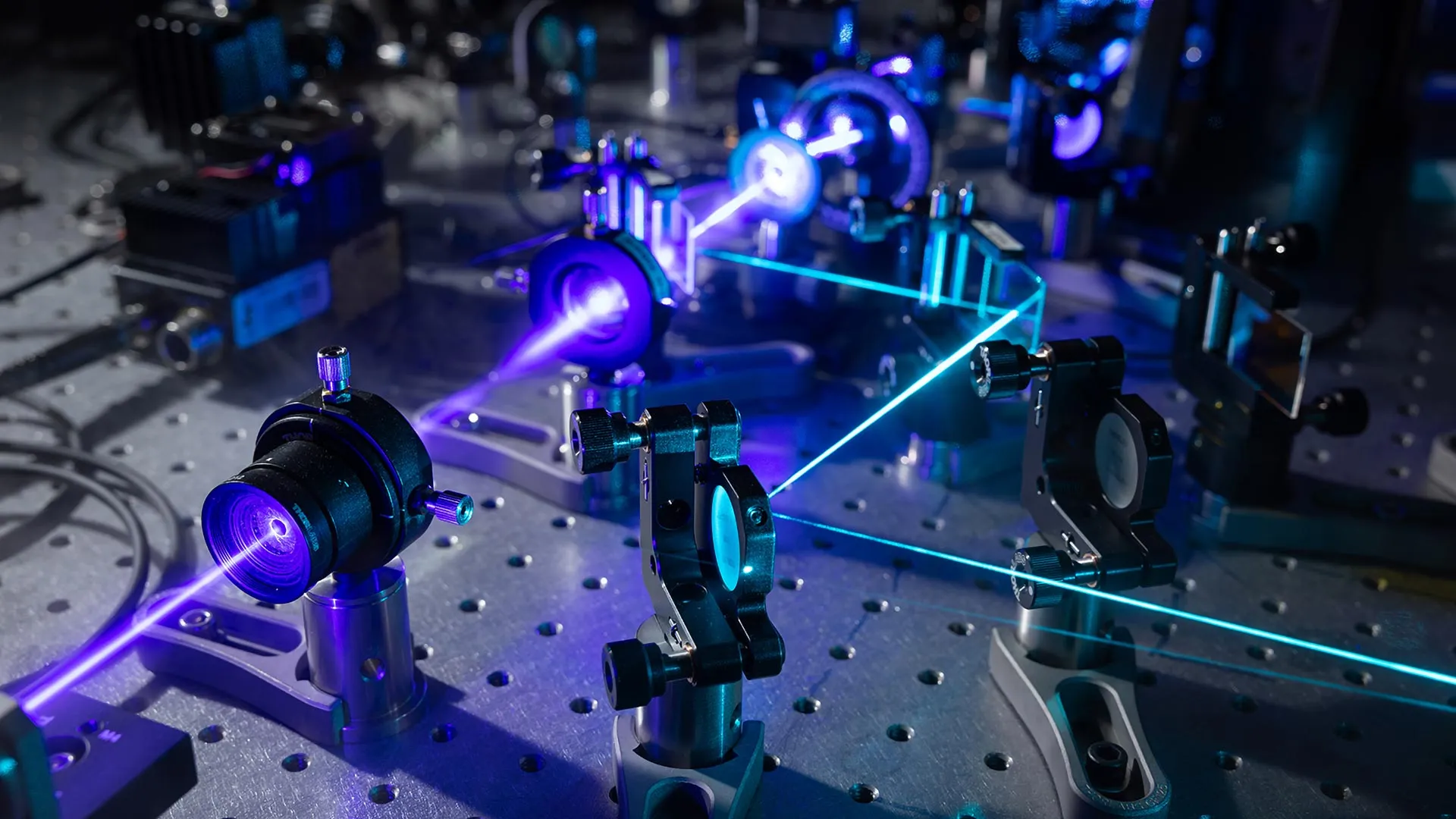
- The instrument merges interferometric scattering microscopy — which detects weak light scatter from tiny structures and amplifies it via a second laser beam — with camera-based array detectors adapted from advanced confocal designs, capturing hundreds of views per scan and computationally combining them for sharper, contrast-rich images.
- iISM runs on substantially lower illumination power than comparable label-free methods, reducing the photodamage risk during long observations of living cells.
- Senior author W.E. Moerner, Stanford's Harry S. Mosher Professor of Chemistry and 2014 Nobel laureate in chemistry, specifically recruited first author and postdoc Michelle Küppers for her doctoral work on interferometric scattering microscopy.
- The researchers explicitly frame iISM as a complement to fluorescence microscopy rather than a replacement, with Küppers saying the combination of fluorescence molecular specificity and label-free iISM context can address previously inaccessible questions.
- Three Stanford collaborations are already active or in planning: imaging plant-fungi-bacteria interactions in real time, tracking how a cancer drug enters cells, and studying red blood cell deformation during malaria infection.
Why it matters: Researchers studying cellular dynamics have long been hamstrung by fluorescent labels that fade, limit how many structures can be tracked at once, and can alter the very behavior under observation. iISM sidesteps those artifacts entirely while still delivering 120 nm resolution and long observation windows with minimal light exposure, and the team has already initiated three concrete research collaborations — cancer drug uptake, malaria-induced red blood cell deformation, and plant-microbe interactions — signaling near-term bench impact rather than distant theoretical potential.
Ask SkimNews