Kyushu yields 921 mmol g⁻¹ H₂ from methanol via iron‑UV — SkimNews

Get the Health newsletter
Daily health & science — research, biotech, public health, the studies worth knowing. Free.
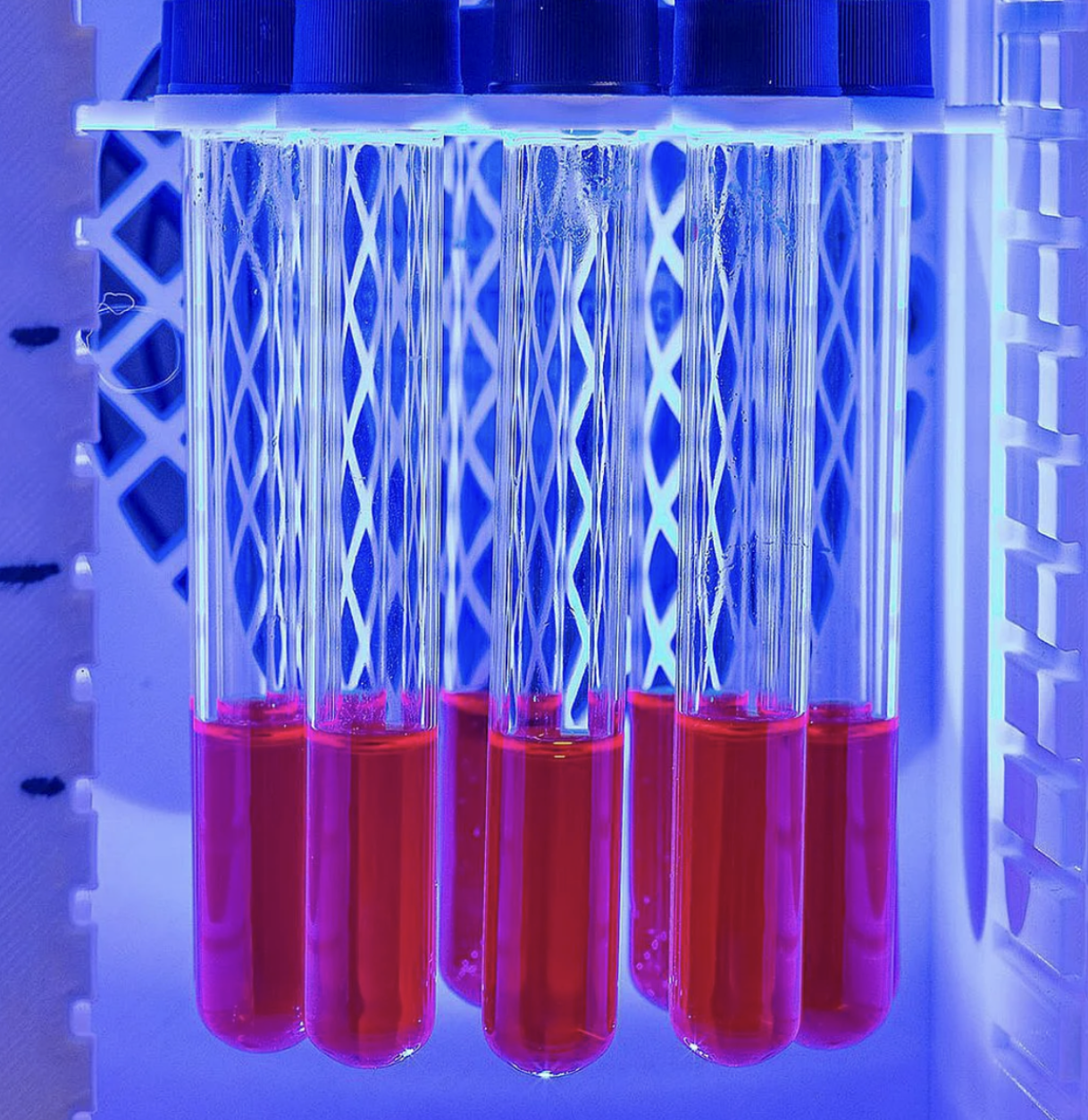
- Kyushu University researchers mixed methanol, sodium hydroxide, and iron ions and irradiated the solution with UV light, generating hydrogen gas.
- The hydrogen evolution rate reached 921 mmol · h⁻¹ · g⁻¹, comparable to the best reported catalysts.
- The photocatalytic system also produced hydrogen from other alcohols and biomass‑derived substrates such as glucose, starch, and cellulose, though with lower activity.
- The reaction mechanism remains unclear, as the researchers have not yet determined its detailed steps.
- Associate Professor Takahiro Matsumoto highlighted the simplicity of the experiment, noting that it can be reproduced by elementary school students.
- The study was published in Communications Chemistry (2026) with DOI 10.1038/s42004-026-02009-3.
Why it matters: The discovery gives clean‑energy producers a cheap, iron‑based alternative to expensive rare‑metal catalysts, potentially lowering hydrogen production costs and reducing reliance on fossil‑fuel‑derived hydrogen. By using simple chemicals and UV light, the method could broaden access to sustainable fuel generation.
Ask SkimNews