Experts: Western Media Overstates Ukraine's War Prospects — SkimNews
Get the Geopolitics newsletter
Daily geopolitics — wars, elections, sanctions, the diplomatic moves that move markets. Free.
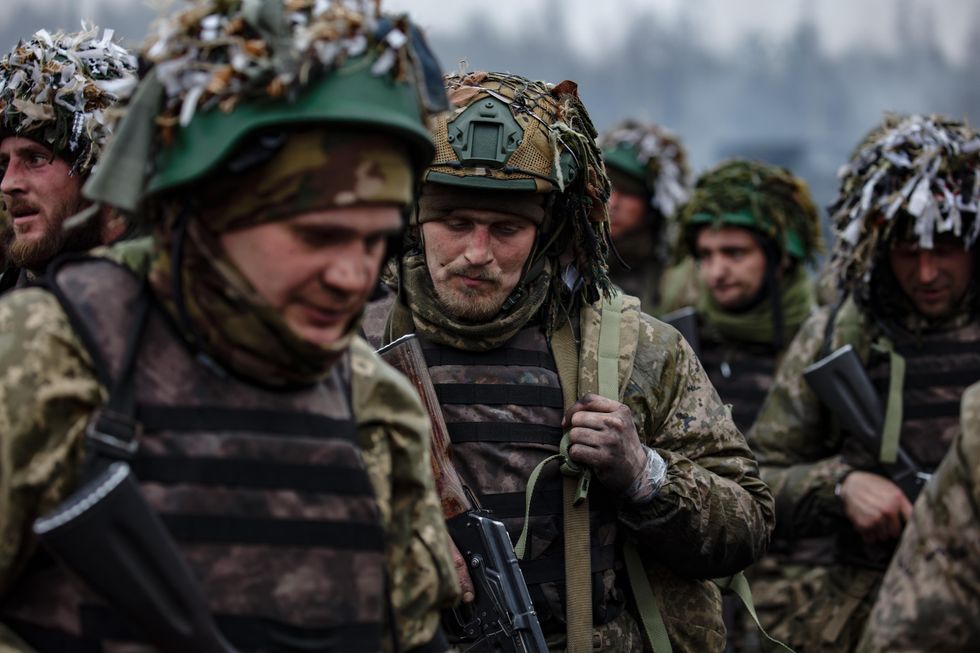
- TIME, CNN, and Defense One published headlines framing Ukraine's drone warfare as potentially war-winning, including Defense One's "How Ukraine won the first great robot war" and CNN calling Ukrainian drone strikes near Moscow "a likely turning point"
- Daniel Davis of Defense Priorities said Western media narratives claiming Ukraine has "turned the tide" "do not survive contact with basic military reality," noting tactical refinery strikes "make for dramatic television" but don't disrupt Moscow's long-term war capacity
- University of Notre Dame professor Michael Desch said drones can at best "slow the Russians down a bit," emphasizing Russia continues making consistent territorial gains on the ground
- MIT professor Barry Posen said the press "highlights anything that looks like positive news for Ukraine from the battlefield" while minimizing setbacks, pointing to the failed 2024 Kursk offensive and 2023 counteroffensive as prior overhyped episodes
- Ukraine's conscription crisis and demographic collapse are largely absent from English-language coverage, which instead amplifies battlefield optimism, according to writer Branko Marcetic
- Mark Episkopos of the Quincy Institute noted the West has already provided $150 billion in military aid and imposed over 25,000 sanctions against Russia, yet the war continues
- Davis warned Ukraine faces a binary choice: "negotiate the best peace terms available or face complete military defeat"
Why it matters: This challenges the dominant Western framing that Ukraine's drone campaign is turning the war, with military experts arguing Russian forces continue advancing while $150 billion in existing aid has failed to deliver victory. The framing shapes political appetite for negotiation versus escalation — with Ukrainian soldiers and civilians paying the cost of the gap between media narratives and battlefield reality.
Ask SkimNews