Drought Declared Across Half of England and All of Wales
Get the Energy newsletter
Daily energy & climate — solar, EVs, oil, the policy fights and tech bets shaping the transition. Free.
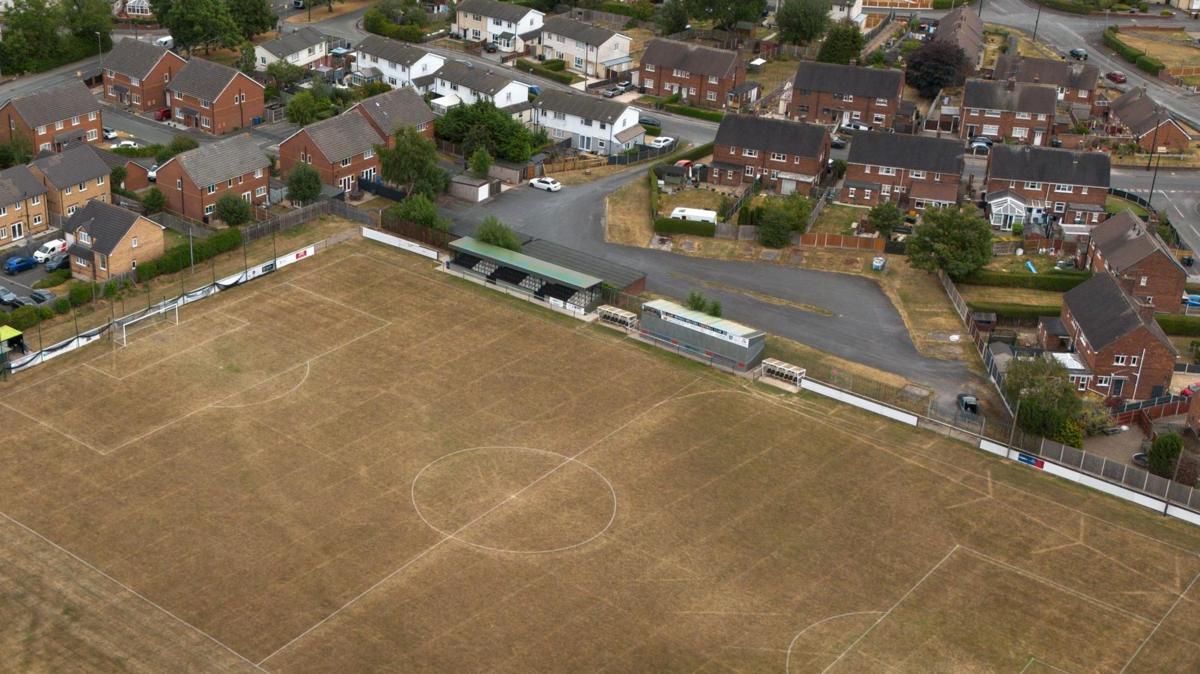
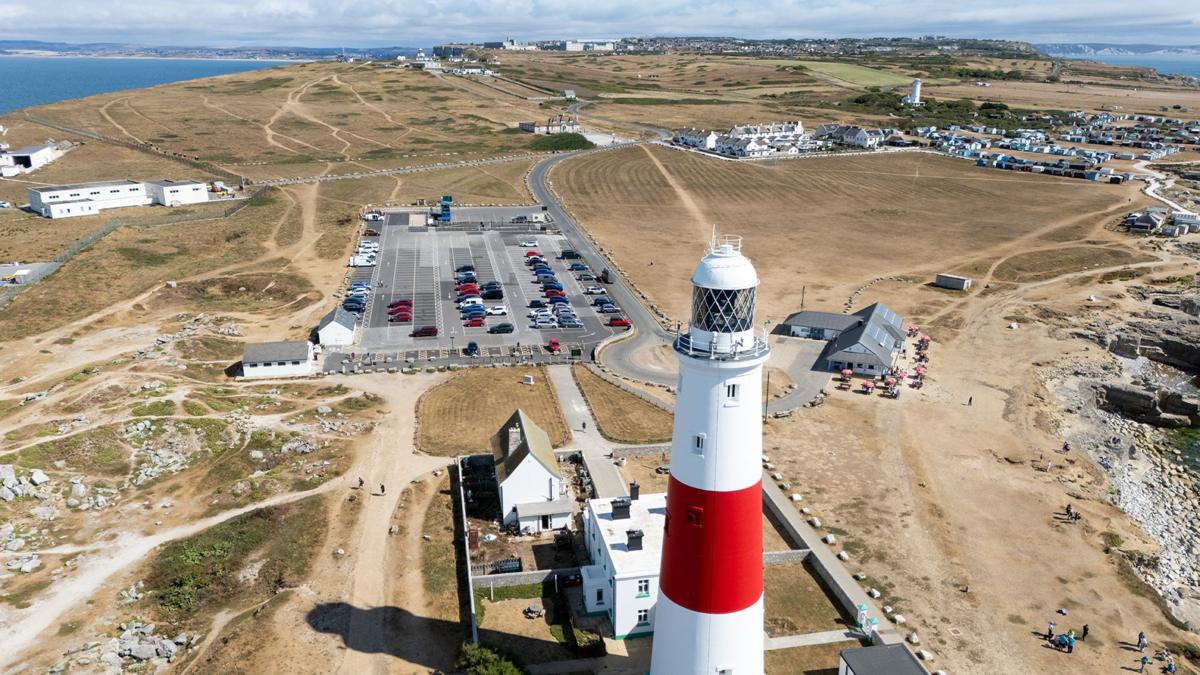
- Environment Agency and Natural Resources Wales declared drought across more than half of England and all of Wales, with central, eastern and southern regions most affected.
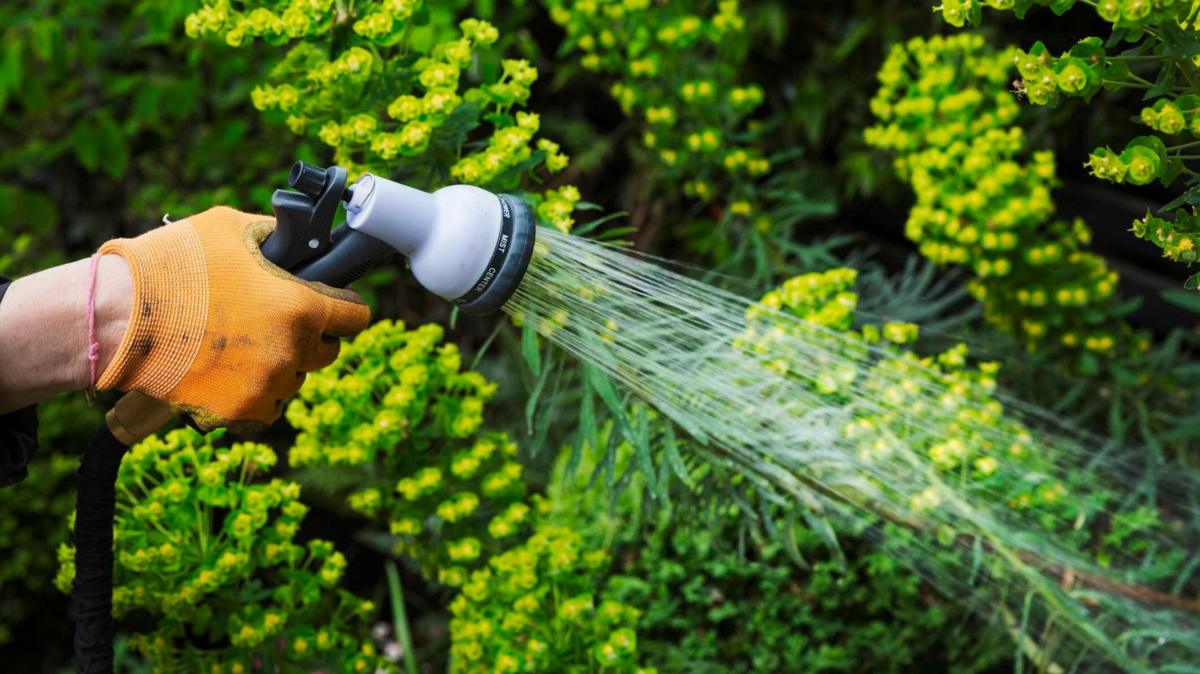
- Hosepipe bans now cover more than 20 million people in England and Wales, with eight water companies — seven in England, one in Wales — restricting garden watering, vehicle washing and pool filling.
- Nearly 80% of England's rivers are seeing flows below normal or lower, with the River Thames at Reading and River Cam at Dernford at their lowest recorded levels, according to UK Centre for Ecology & Hydrology hydrologist Steve Turner.
- England's reservoirs sat below average levels for late July as of 21 July, while south-east groundwater — which the region relies on more than reservoirs — remained near normal after winter rainfall but depleted by a dry spring.
- A landmark review of the England and Wales water sector criticized companies for historic infrastructure underinvestment; the government and water companies plan nine new reservoirs for England by 2050, alongside one already under construction at Havant Thicket in Hampshire.
- Only Yorkshire and the North East of England remain in 'normal' water status; Northern Ireland has no official drought, while several parts of eastern Scotland sit in the most extreme 'significant scarcity' category.
Why it matters: More than 20 million consumers in England and Wales now face restrictions on garden watering, car washing and pool filling under eight company-level hosepipe bans. The Environment Agency's parallel push for leak reduction and demand management, paired with a landmark review's finding of historic infrastructure underinvestment, leaves the planned nine new reservoirs by 2050 as a distant fix while this summer's drought response falls almost entirely on household rationing.