Drought declared across whole of Wales as conditions 'deteriorate' — SkimNews
Get the Energy newsletter
Daily energy & climate — solar, EVs, oil, the policy fights and tech bets shaping the transition. Free.
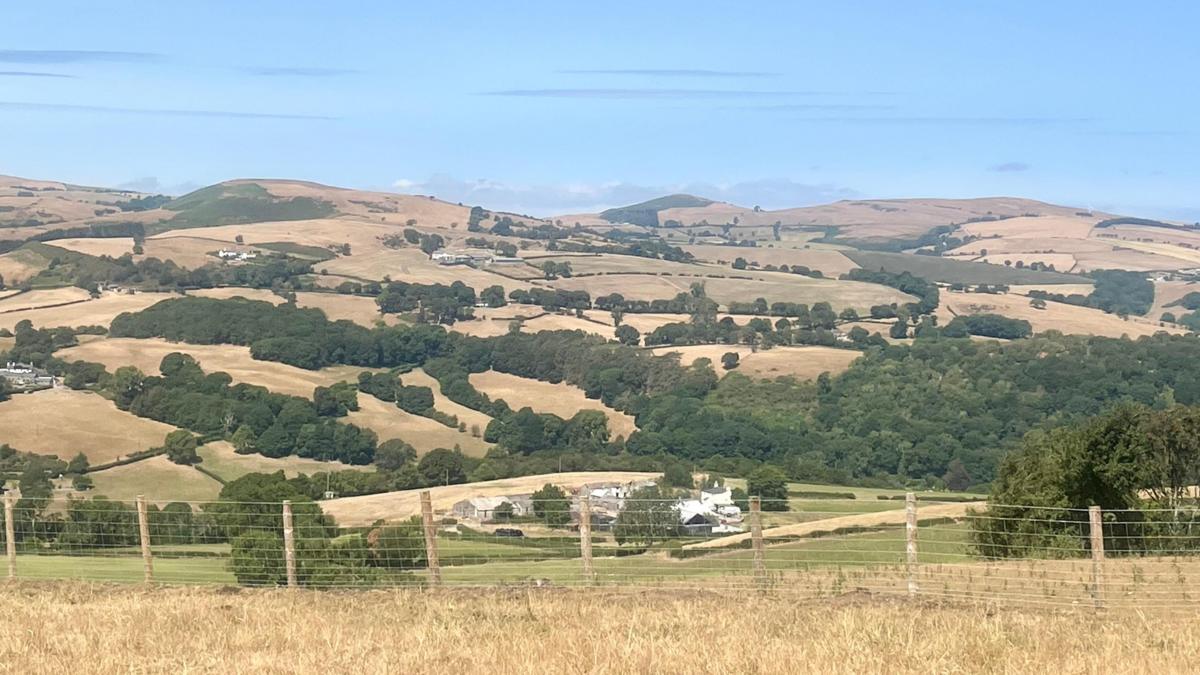
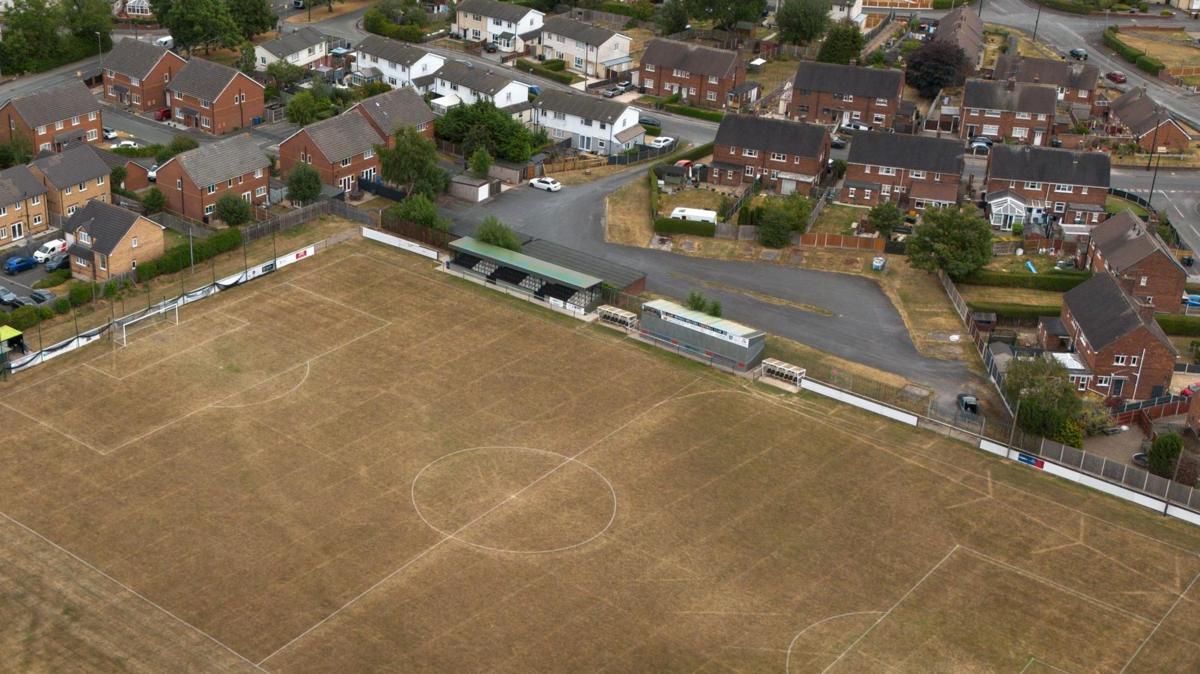
- Natural Resources Wales declared a drought across all of Wales on Thursday, extending a declaration previously covering the north and parts of mid Wales, citing record-low river levels, dry soils, wildfires and impacts on wildlife, farming and forestry.
- Wales received just 8% of its long-term average rainfall for July, with most rivers in the country described as "exceptionally low" and groundwater levels falling below seasonal expectations.
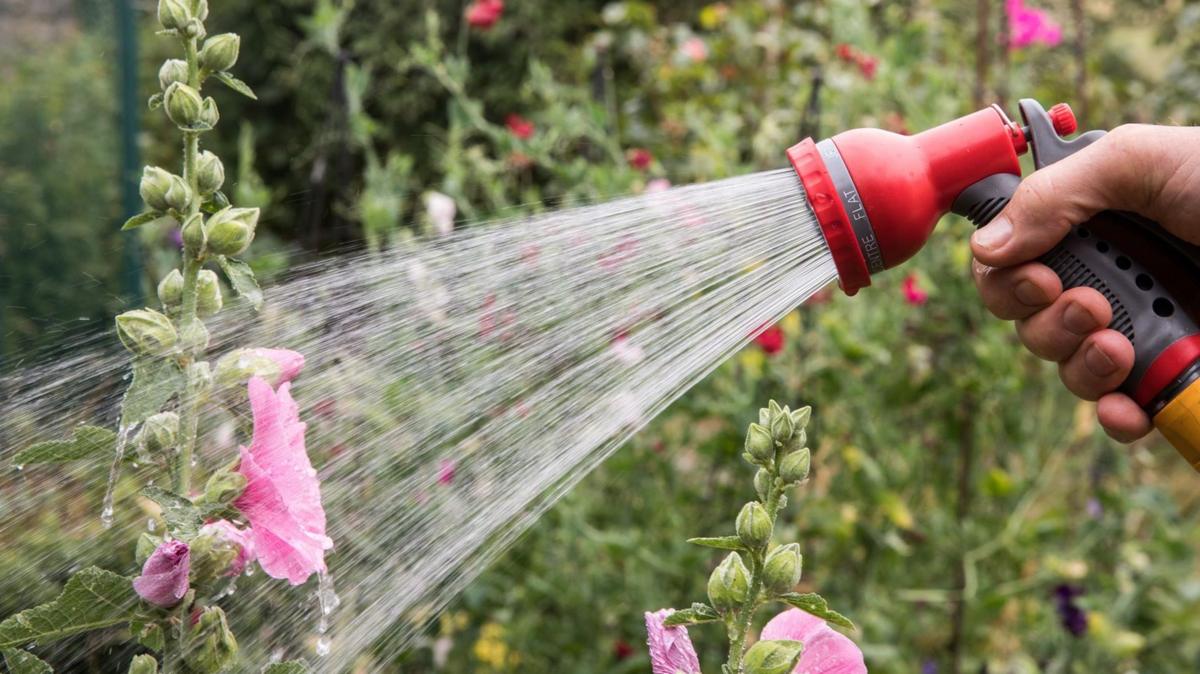
- Welsh Water has already imposed a hosepipe ban on 33,000 properties in west Wales due to unprecedented demand during heatwaves, though it stresses reservoir levels are holding up after a wet start to the year and there is no current threat to drinking water supplies.
- Welsh farmer George Tomlinson, 29, sold 60 cows from his Wrexham farm after drought killed off grazing land, warning that "if this continues a lot of farmers will be forced to close their gates and never open them again."
- Vale of Glamorgan farmer Richard Anthony said his ground is as hard as a "rock" with "no moisture at all," leaving him unable to plant crops and reporting wheat yields down between 20% and 30%.
- NFU Cymru president Abi Reader warned costs will rise as farmers buy in extra feed or cart water, arguing that "food security starts with water security."
- First Minister Rhun ap Iorwerth called a summit to address fire risks from severe droughts and said Wales and the UK need "more resilience in our water supplies," though he confirmed no immediate risk to drinking water provision.
- NRW's Rhian Thomas said sustained high temperatures are causing the natural environment to "deteriorate," with reports of drying riverbeds, fish in distress, algae accumulation and wildfires including a blaze in the Rhinogydd mountains visible from space.
Why it matters: Wales is simultaneously heading for its driest July in 190 years while reservoir levels remain adequate thanks to a wet start to the year — meaning the crisis is hitting ecosystems and farmers before it hits taps. With one farmer forced to sell 60 cows and another reporting wheat yields down 20-30%, the economic toll on Welsh agriculture is already concrete, and NFU Cymru is tying the disaster directly to national food security.
Ask SkimNews