Driest July on Record Leaves UK Reservoirs Critically Low — SkimNews

Get the Energy newsletter
Daily energy & climate — solar, EVs, oil, the policy fights and tech bets shaping the transition. Free.
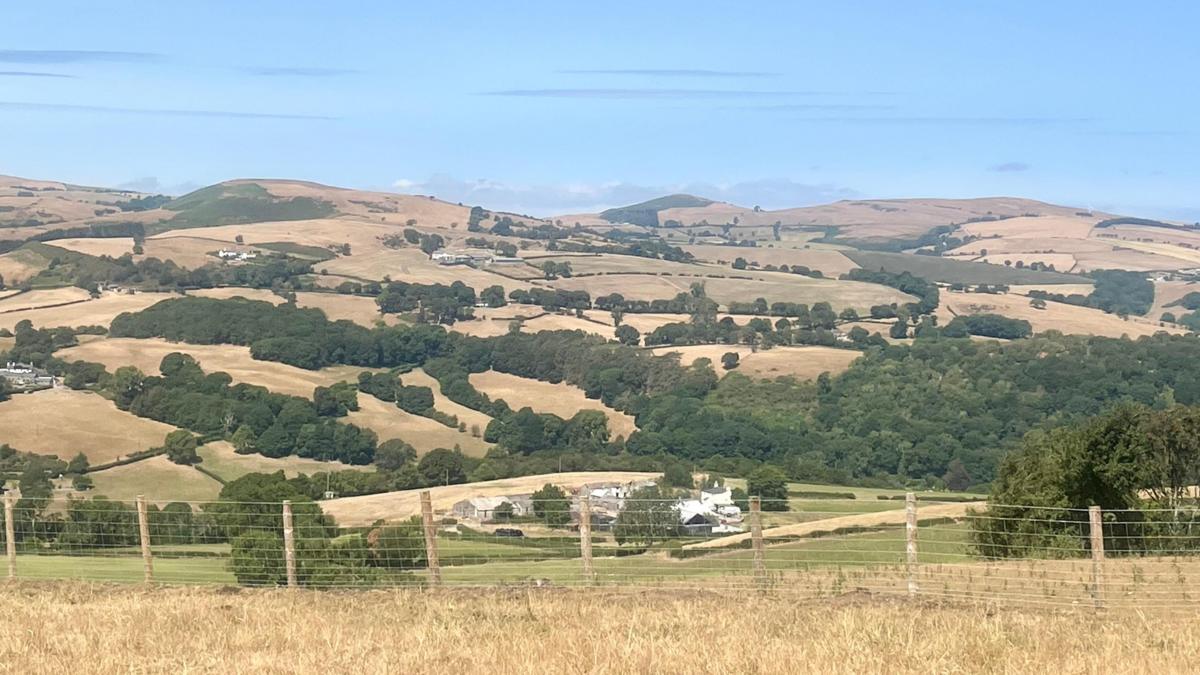
- England and Wales experienced their driest July since records began, with rainfall only now arriving on the horizon.
- Reservoirs remain at "exceptionally low" levels, leaving uncertainty over whether incoming rain will replenish stocks.
- Dr Anna Murgatroyd, a hydrology lecturer at Newcastle University, outlines how much rainfall the UK needs to get through next summer.
- Murgatroyd explains why the country faces an increased risk of floods even while drought conditions persist.
- The discussion also covers what individuals can do to take better care of their water supplies.
Why it matters: Reservoirs across England and Wales sit at exceptionally low levels after the driest July on record, meaning the UK enters autumn already vulnerable — even with rain now falling, it may not be enough to guarantee water security through next summer, while the same dry conditions that caused the drought are also elevating flood risk.
Ask SkimNews