How bad is the UK drought and how long will it continue? — SkimNews

Get the Energy newsletter
Daily energy & climate — solar, EVs, oil, the policy fights and tech bets shaping the transition. Free.
- England is nearly three-quarters in drought after the driest July in almost 200 years, with the National Drought Group declaring an "exceptionally serious" flash drought.
- Reservoir levels in England have fallen to 69%—11.6% below seasonal norms—and dropped 16% in July alone, the steepest monthly decline in at least 30 years.
- River systems are collapsing: 22% are at exceptionally low levels (including the Avon, Wye, Ely Ouse and Exe), roughly 250 wildfires have hit biodiversity hotspots, and stressed trees are shedding leaves in a "false autumn."
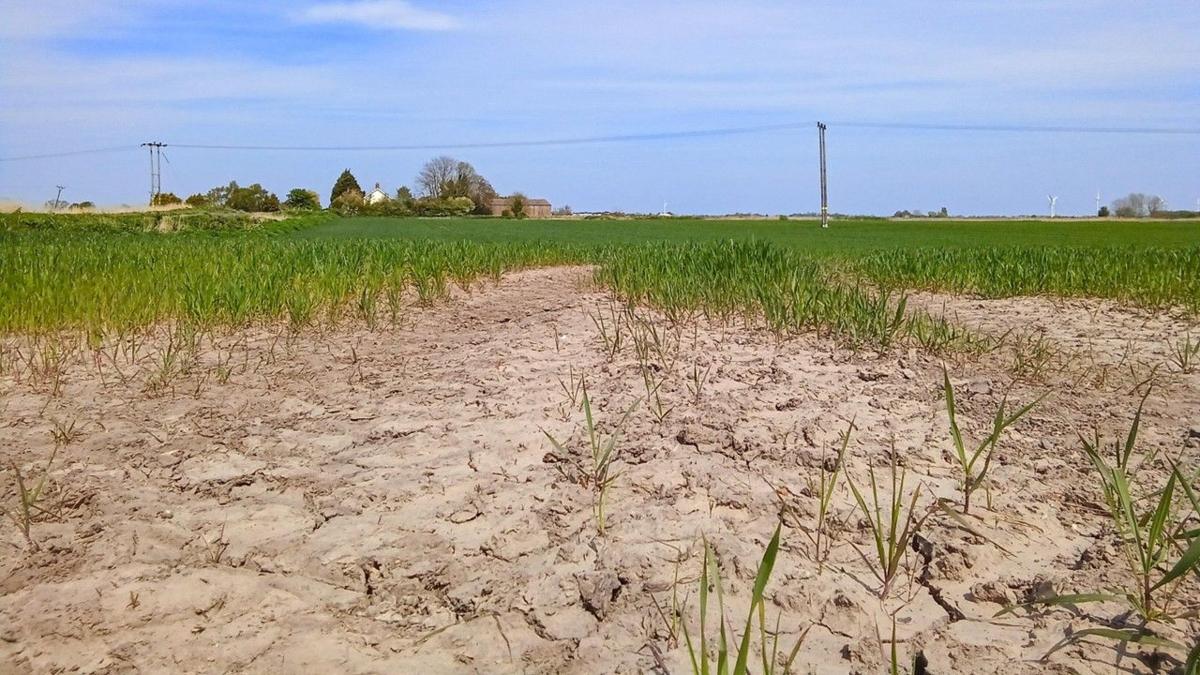
- UK harvests are projected to be the worst on record, with wheat yields down 14%, potatoes down 10–15%, and drought-related losses potentially costing arable farmers £390 million in revenue.
- Southern Water has applied for a drought order enabling commercial restrictions on car washing, window cleaning and watering premises, while hosepipe bans already in place across much of England are cutting consumption 5–10%.
- The Environment Agency warns of a 5 billion-litre-per-day water supply shortfall in England by 2050 without new reservoirs, expanded water transfers, or desalination plants.
- This is England's third drought in five years, leaving already-weakened ecosystems vulnerable; hydrologist Glenn Watts warns a dry winter would leave the UK "worried about next spring and summer."
Why it matters: UK consumers face higher food prices into autumn as wheat yields drop 14% and potato harvests fall 10–15%, with European drought compounding the shortfall. A dry winter could push water companies toward emergency restrictions by next summer, threatening household supplies and wildlife already battered by three droughts in five years.
Ask SkimNews