Is UK facing drought for second summer in a row? — SkimNews
Get the Energy newsletter
Daily energy & climate — solar, EVs, oil, the policy fights and tech bets shaping the transition. Free.
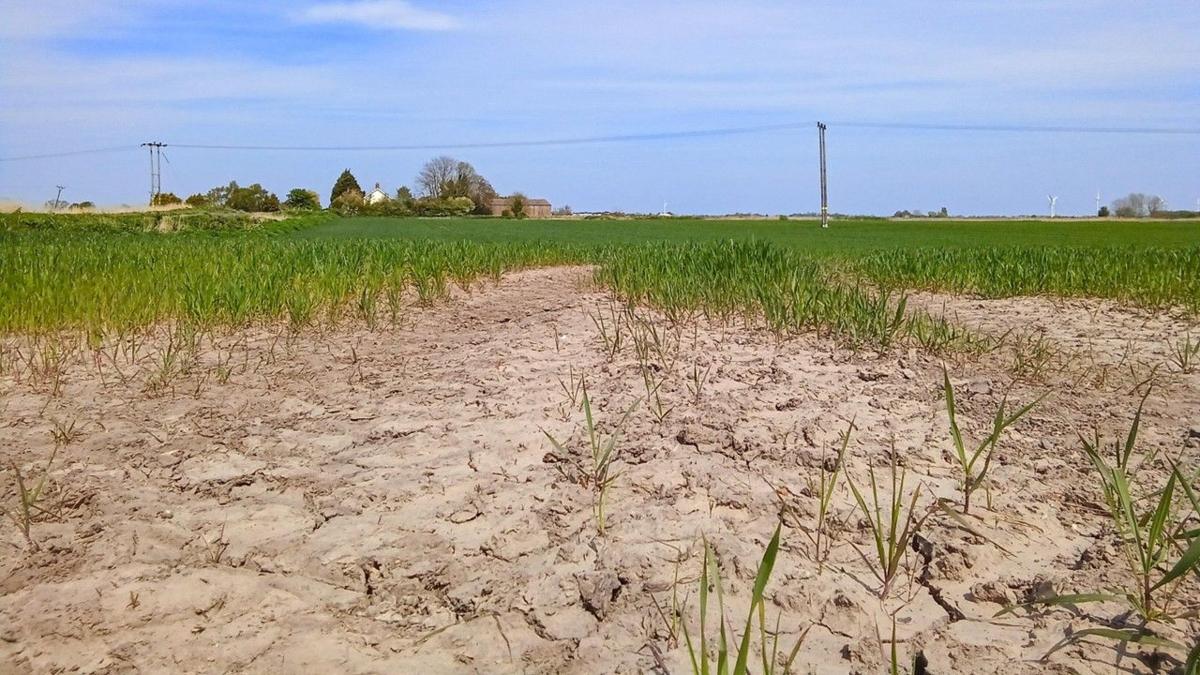
- Central England has recorded its longest dry spell since 1995, with Wisley in Surrey logging 33 consecutive dry days and the summer bringing three widespread heatwaves nationwide.
- Eastern and northeastern England received just 26% of expected summer rainfall by mid-July, while Wales saw only 5% of its July rainfall fall, according to UK meteorological data.
- Hosepipe bans are now in force for millions of customers in England, and 87% of river catchments are at "below normal to exceptionally low levels" per the Environment Agency.
- Natural Resources Wales has placed its worst-affected regions in the north and south-east under "prolonged dry weather status," the first step in its formal drought plan.
- UK Centre for Ecology and Hydrology warned that flash droughts — sudden wet-to-dry transitions — are "likely to happen more often, and be more intense" as the climate shifts.
- Met Office projections indicate UK summers could be up to 60% drier and 1–6°C warmer by 2070 compared with the 1990 baseline.
- National Farmers' Union deputy president Paul Tompkins said farmers face another costly harvest after extreme weather battered production in both 2024 and 2025.
Why it matters: Eastern England at just 26% of expected rainfall has already pushed 87% of river catchments into "below normal to exceptionally low" status and triggered hosepipe bans for millions. With no significant rain forecast for at least five days and the Met Office projecting summers up to 60% drier by 2070, water utilities, farmers, and government face compounding pressure to harden infrastructure before this dryness becomes the baseline.
Ask SkimNews