Wales Faces Environmental Drought as Rivers Hit Record Lows — SkimNews
Get the Energy newsletter
Daily energy & climate — solar, EVs, oil, the policy fights and tech bets shaping the transition. Free.
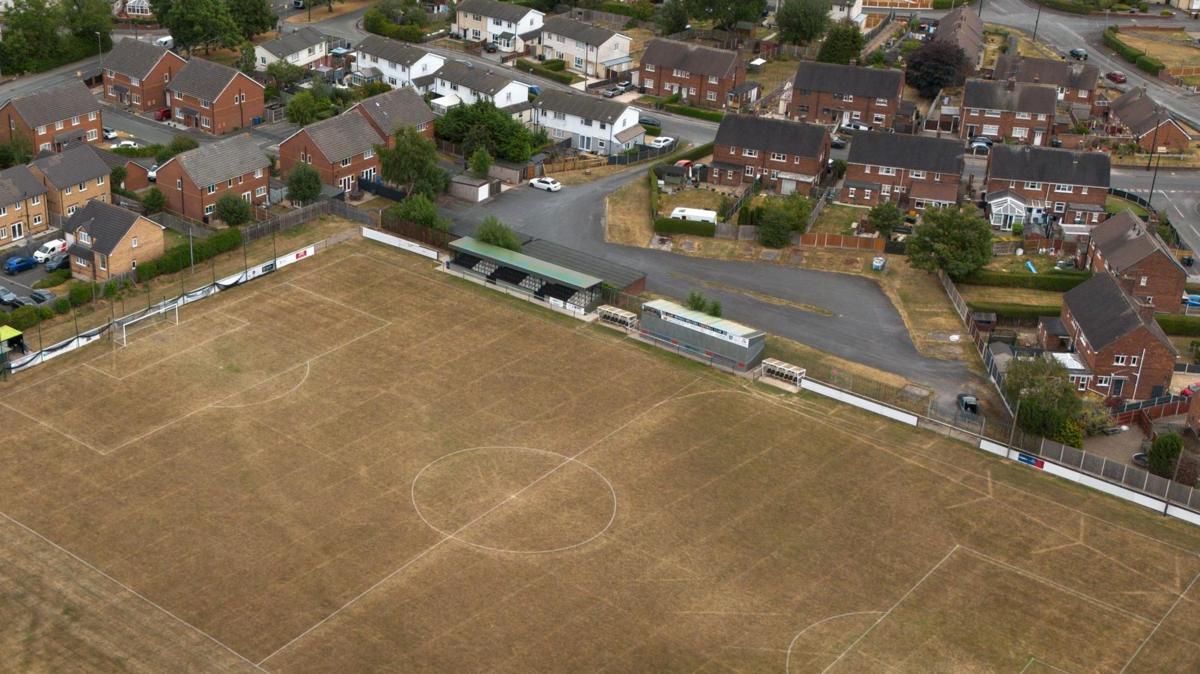
- Wales received just 5% of average July rainfall following back-to-back heatwaves and a drier-than-usual April–June, pushing river flows toward all-time lows across the country.
- Natural Resources Wales (NRW) is expected to declare an "environmental drought" for parts of the country on Thursday, having already escalated north and south-east Wales to "prolonged dry weather" status last week.
- Rivers including the Clwyd, Alwen, Alyn, Clywedog, Dyfi, Conwy, and Wye are classified as exceptionally low, prompting extra reservoir releases to support flows on the Clwyd, Wye, Severn, and Dee.
- Afonydd Cymru reports rivers drying up entirely and fish being killed, with water temperatures hitting 28°C in the Wye and Usk—conditions compounding the waterways' existing pollution strain.
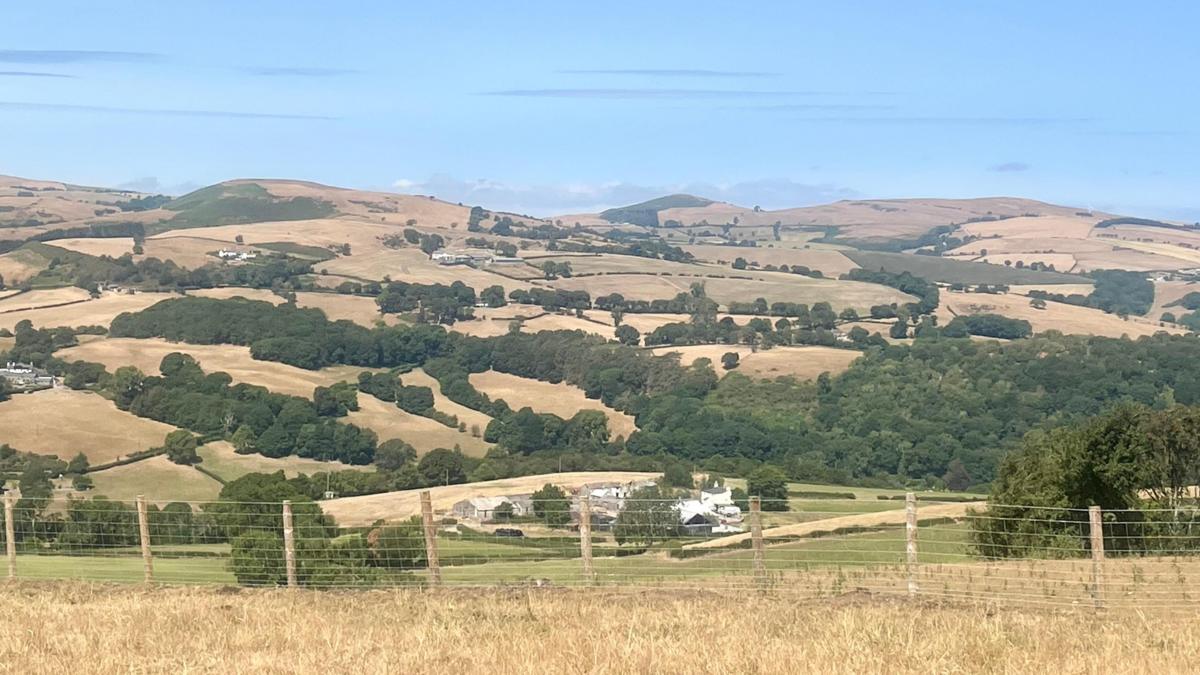
- Welsh farmers are harvesting crops "unprecedented early" with lower yields, and some are already feeding second-cut silage to cattle because fields are "bone dry, nothing's growing."
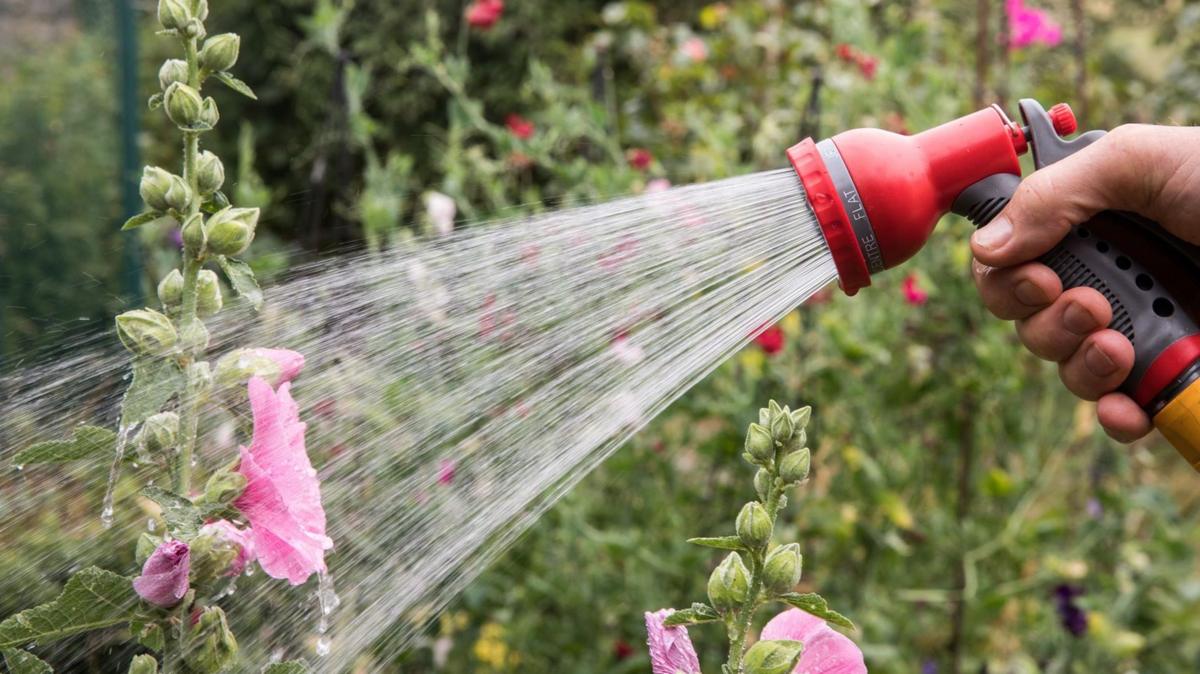
- Welsh Water has imposed a hosepipe ban on 33,000 properties in west Wales but stressed that NRW's environmental drought status is a separate measure from its own operational restrictions.
- Gail Davies-Walsh of Afonydd Cymru warned that public anger over water-company sewage spills could stop people from heeding calls to reduce their water use.
Why it matters: An environmental drought declaration means ecosystems—not household supplies—are now under immediate strain: fish are dying in 28°C river water and farmers are feeding winter silage to cattle in midsummer. With 33,000 Welsh Water customers already under a hosepipe ban and NRW's environmental status operating separately from Welsh Water's operational measures, different parts of Wales face mismatched pressure levels while conservation messaging competes with sewage-spill outrage.
Ask SkimNews