Neurofeedback Session Briefly Eases Depression in Trial — SkimNews

Get the Health newsletter
Daily health & science — research, biotech, public health, the studies worth knowing. Free.
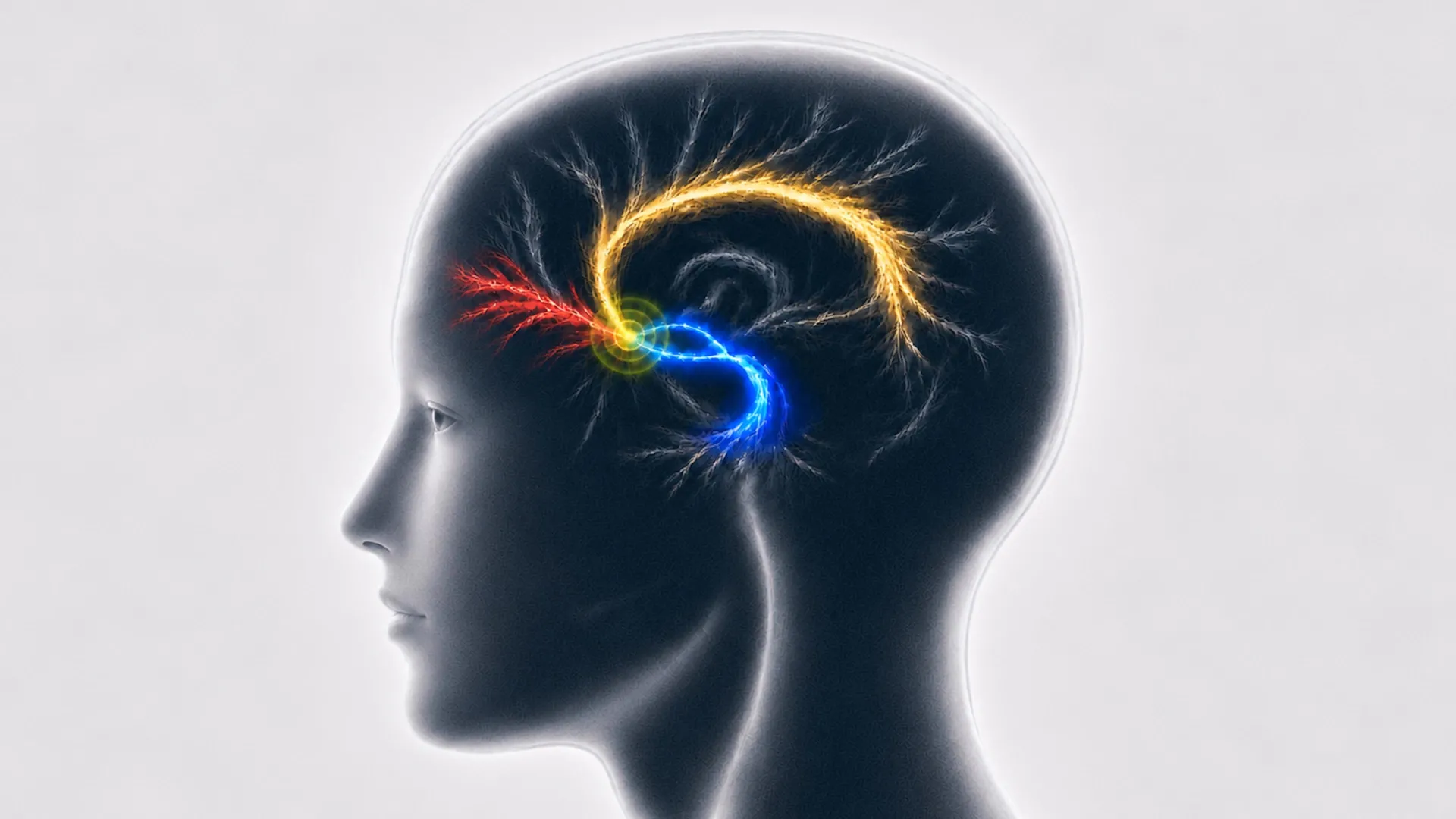
- Laurel Morris at the Icahn School of Medicine at Mount Sinai led a randomized-controlled trial of neurofeedback targeting the ventral tegmental area (VTA) in 32 people with major depressive disorder and 30 others with no mental health history.
- During the ~30-minute intervention, participants thought about motivating things like encouragement and singing while a scanner measured their VTA activity; half received live feedback while the rest unknowingly saw prerecorded signals as a sham control.
- People with depression who received genuine feedback scored higher on two mood questionnaires immediately afterward and the next day than the sham group, with the effect reducing negative emotions like sadness rather than boosting positive mood.
- Morris said the changes were not "clinically meaningful yet," and they had disappeared by the one-week follow-up.
- Brain activity didn't meaningfully differ between groups, leading Kymberly Young at the University of Pittsburgh to suggest that simply thinking about motivating things — not the feedback itself — may explain the improvement.
- Morris is now leading a follow-up trial at the University of Oxford that began in September, testing two neurofeedback sessions instead of one, with results not expected for several years.
Why it matters: Researchers reported same-day symptom reductions in 32 depressed patients after one 30-minute neurofeedback session — yet brain activity didn't shift and the effect vanished by one week, leaving the mechanism unresolved as a larger University of Oxford trial with two sessions gets underway.
Ask SkimNews