Iran missiles injure 180 near Israel's nuclear site — SkimNews
Get the Geopolitics newsletter
Daily geopolitics — wars, elections, sanctions, the diplomatic moves that move markets. Free.
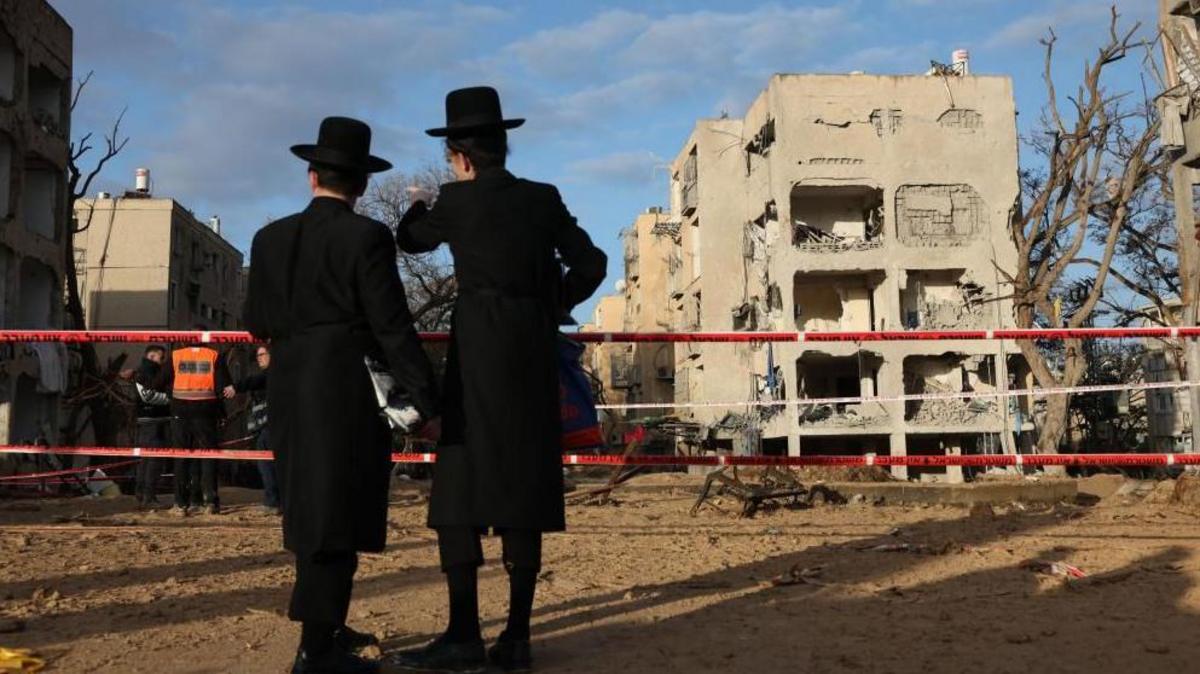
- Israel's health ministry says 180 people were injured in Iranian ballistic missile strikes on Saturday evening on the southern towns of Arad (116 injured) and Dimona (64 injured), some seriously, near the Shimon Peres Negev Nuclear Research Center.
- The IAEA says it is not aware of any damage to the nuclear research facility, located about 13km outside Dimona, and Iranian state TV framed the strikes as retaliation for an attack on Iran's Natanz nuclear facility.
- Israeli firefighters said interceptors in both Dimona and Arad failed to hit the threats, resulting in two direct hits by ballistic missiles with warheads weighing hundreds of kilograms, and urgent investigations are underway into how the missiles breached Israel's air defence system.
- The Israeli Air Force says Tehran has fired 400 missiles at Israel since the US-Israeli attack on Iran on 28 February, with 92% intercepted, while on Sunday at least seven people were injured in a separate Iranian missile attack on Tel Aviv.
- Prime Minister Netanyahu and President Herzog visited the impacted sites on Sunday, where local residents described collapsed ceilings, blown-in windows, a devastated kindergarten, and a 10-year-old girl with head injuries from broken glass.
- Iran's Atomic Energy Organisation described the strike on Natanz as a violation of the Treaty on the Non-Proliferation of Nuclear Weapons but said no radioactive materials leaked; Natanz was also targeted in the first days of the war that started on 28 February.
Why it matters: Two Iranian ballistic missiles penetrated Israel's air defence system to score direct hits on towns within roughly 13km of the Dimona nuclear research center — the open secret home of Israel's undeclared nuclear arsenal — injuring 180 people and hardening Israeli public resolve in a war both Israel and the US have framed around preventing any Iranian nuclear capacity.
Ask SkimNews


