Appeals Court Sides With Trump in Youth Climate Suit — SkimNews
Get the Energy newsletter
Daily energy & climate — solar, EVs, oil, the policy fights and tech bets shaping the transition. Free.
- Ninth Circuit Court of Appeals affirmed a Montana district court's dismissal of Lighthiser v. Trump in a ruling from a three-judge panel in Portland, siding with the Trump administration and 19 intervening Republican-led states.
- The Lighthiser plaintiffs—22 youth who targeted three Trump executive orders, including "Unleashing American Energy" and "Declaring a National Energy Emergency" issued on his first day in office—had asked the court to declare the orders unconstitutional and block their implementation.
- The court cited its prior dismissal of Juliana v. United States as binding precedent, saying the requested relief would require "extensive judicial supervision of executive branch actions related to energy policy" and that a sweeping challenge to hundreds of agency actions through one lawsuit was "unprecedented."
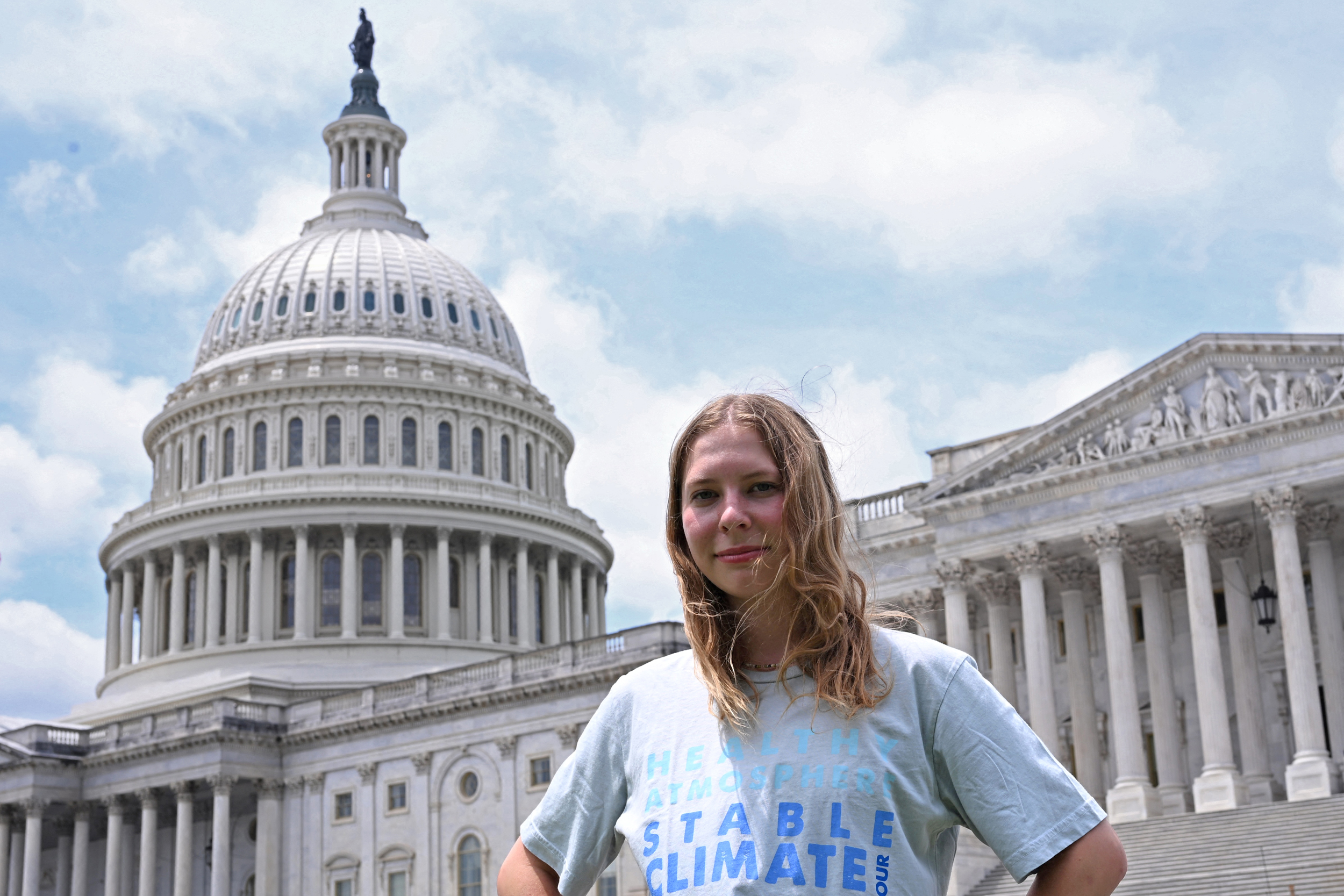
- Lead plaintiff Eva Lighthiser criticized the ruling, saying the court "had the power to act and they chose not to," while Our Children's Trust chief legal counsel Julia Olson said the decision "slammed the courthouse doors on children fighting for their lives."
- The Department of Justice called the ruling a unanimous affirmation that plaintiffs lacked standing, and Montana Attorney General Austin Knudsen—who led the 19-state coalition—called it "a huge win for Montana" for blocking what he called a "liberal climate agenda."
- The case was filed in Montana by plaintiffs including some who had previously won Held v. Montana, the first U.S. climate case to go to trial; Our Children's Trust said it is "assessing all legal options," with a potential U.S. Supreme Court appeal still on the table.
Why it matters: By treating the Juliana precedent as binding, the Ninth Circuit has now twice shut the door on youth-led constitutional challenges to federal energy policy, effectively telling the 22 Lighthiser plaintiffs they must file hundreds of individual suits against discrete agency actions. The ruling cements a standing doctrine that insulates sweeping executive orders from judicial review in a single case, and a Supreme Court appeal—while possible—faces a bench that has shown little appetite for such climate litigation.
Ask SkimNews