Ex-QB Hasselbeck joins BU study to diagnose CTE in living

Get the Sports newsletter
Daily sports — scores, transfers, the storylines from the leagues you actually follow. Free.
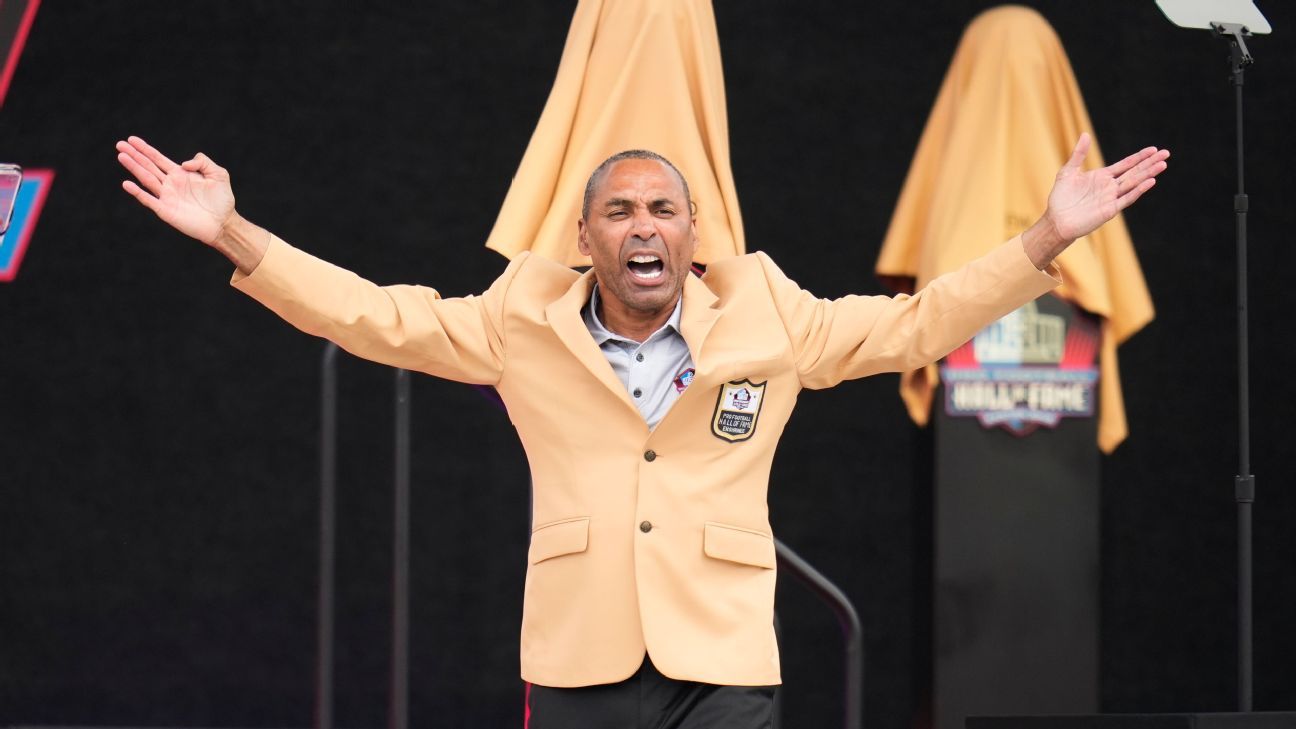
- Matt Hasselbeck spent two days at Boston University undergoing blood work, mental tests, an MRI, and a PET scan as a participant in a study that researchers hope will crack how to diagnose CTE before death.
- Aaron Hernandez, Hall of Famers Junior Seau and Ken Stabler, and more than 100 other former NFL players have been diagnosed with CTE only after their deaths, casting a pall over the league.
- Boston University CTE Center co-director Michael Alosco is leading the Boston arm of the study, with additional sites in California, Arizona, Texas, and Florida; principal investigator Nicholas Ashton said roughly 10 patients have enrolled at the Arizona site so far.
- The National Institutes of Health awarded $15 million in 2025 to sponsor the research, which recruits both former football players and Alzheimer's patients with no contact-sports history in order to isolate what separates the two degenerative diseases.
- Hasselbeck — who played for the Packers, Seahawks, Titans, and Colts from 1998 to 2015 and logged three pre-college concussions — also pledged to donate his brain to researchers after he dies.
- Bryan Savage, a 56-year-old former Division III linebacker at Union College, traveled to Boston for the study after being diagnosed with depression and ADHD, telling researchers, 'You wonder if it's just getting older… or if it's related to any brain trauma.'
Why it matters: For more than 100 former NFL players, CTE has only been confirmed posthumously, and researchers concede that diagnostic techniques borrowed from Alzheimer's research 'do not work for CTE.' The $15 million NIH-funded study enrolling former players like Hasselbeck is explicitly designed to find a protein marker specific to CTE — a prerequisite Alosco calls necessary before any treatment trials can begin.
Ask SkimNews