South Korea Breaks Up Defense Counterintelligence Command — SkimNews
Get the Geopolitics newsletter
Daily geopolitics — wars, elections, sanctions, the diplomatic moves that move markets. Free.
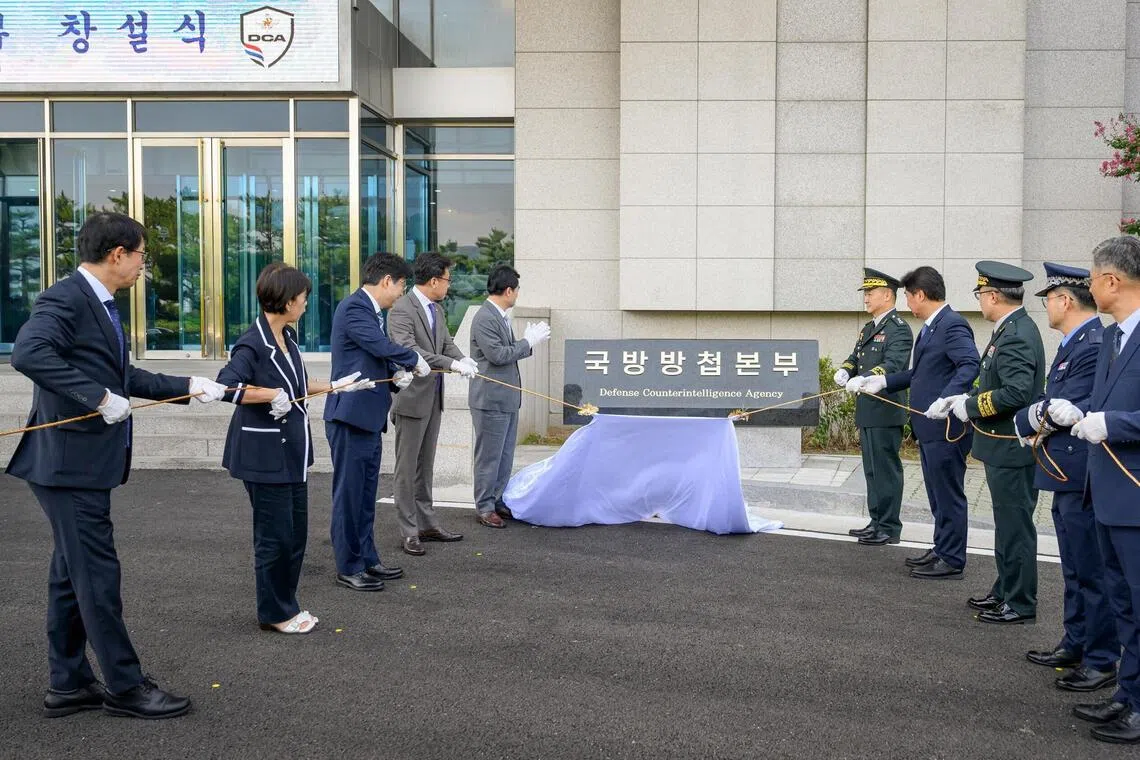
- South Korea formally launched three new military counter-intelligence organisations on Aug 3, replacing the Defense Counterintelligence Command (DCC), which was dissolved July 30 after 49 years operating under different names.
- Defense Minister Ahn Gyu-back attended the launch ceremony in Gwacheon, calling on the new Defense Counterintelligence Agency to focus on countering espionage and emerging security threats under firm democratic control.
- Major-General Pyun Moo-sam, who oversaw the DCC's dissolution as its acting commander, was appointed inaugural head of the new Defense Counterintelligence Agency (DCA).
- The DCC's alleged role in former president Yoon Suk Yeol's Dec 3, 2024 martial law attempt — including deployment of personnel to the National Assembly and National Election Commission — served as the immediate catalyst for the breakup.
- Konkuk University professor Seok Jae-wang and other critics warned that splitting intelligence collection, security inspections and criminal investigations across three agencies could disrupt information flows and delay responses to espionage.
- A Defense Ministry official, speaking anonymously, noted that while functions are divided, "the defense minister still has ultimate control over all three organisations," meaning "the restructuring could disperse functions without fully dispersing control."
Why it matters: The reform splits a 49-year-old institution investigators say deployed personnel during Yoon's martial law attempt — but all three successor agencies remain under the defense minister's authority, which a Defense Ministry official acknowledged "could disperse functions without fully dispersing control." Critics want a civilian-military consultative body to close coordination gaps.
Ask SkimNews