Apple's Failed Car Project Built Its AI Chip Legacy — SkimNews

Get the Tech newsletter
Daily tech — startups, AI labs, chips, the launches that shape the next decade. Free.
- Apple's cancelled self-driving car program led to the Neural Engine — the backbone of its on-device AI processing — even though the car processor was never finished, per Mark Gurman's Power On newsletter.
- The Neural Engine debuted in the iPhone X with the A11 Bionic chip, initially powering computer vision tasks like FaceID, Animoji, and augmented reality features.
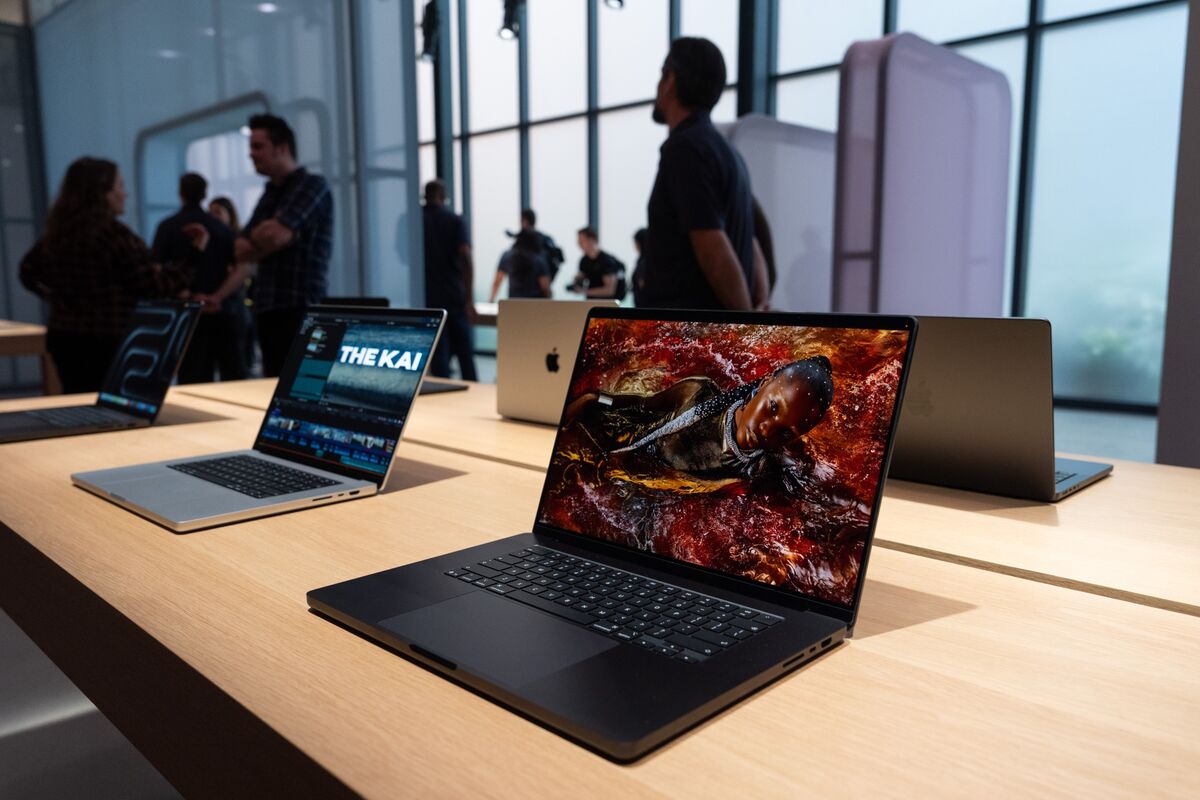
- Apple extended on-device AI to desktops via M-series chips, establishing early neural hardware leadership even as the company's AI software lags the rest of the industry.
- Apple is skipping Pro, Max, and Ultra variants of the upcoming M6 chip and accelerating development of the M7, expected in the first half of 2027 with significant Neural Engine upgrades.
- The M7 Ultra is slated to underpin a new Apple server product with support for up to 1.5TB of RAM — the company's first serious push into server infrastructure.
Why it matters: Apple's decision to skip M6 variants and fast-track the M7 shows on-device AI hardware — not cloud-dependent software — is where Apple is placing its competitive bet, with the M7 Ultra's 1.5TB of RAM also signaling Apple's first real push into AI server infrastructure.
Ask SkimNews