Houthi Missile Strike Kills 12 at Riyadh Airport — SkimNews

Get the Geopolitics newsletter
Daily geopolitics — wars, elections, sanctions, the diplomatic moves that move markets. Free.
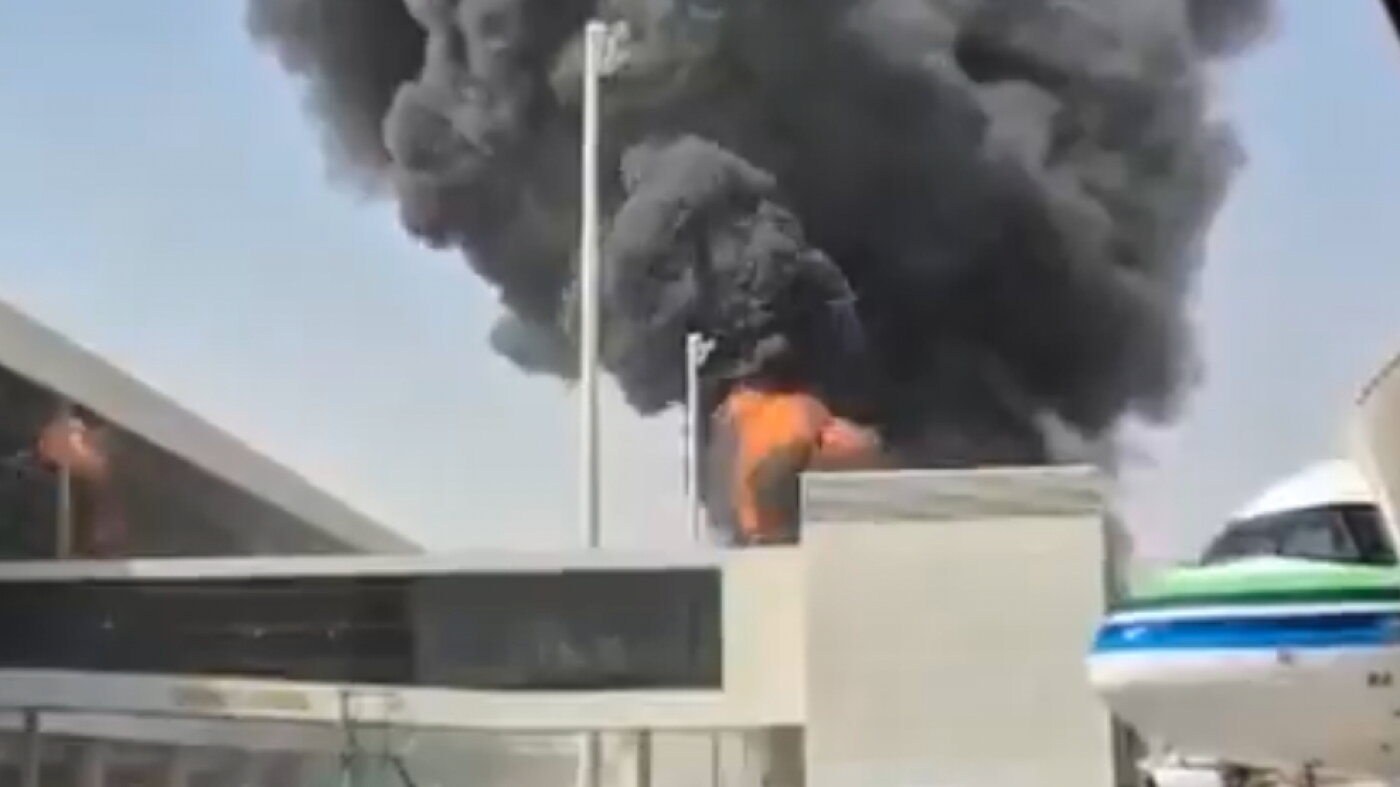
- Houthi rebels struck King Khalid International Airport in Riyadh with a missile on Sunday, killing 12 people and injuring more than 300, in the deadliest attack on any Gulf Arab country since the start of the Iran war.
- The Saudi-led coalition labeled the strike a "fully-fledged war crime," noting the targeted complex housed terminals 3 and 4 for domestic flights and contained no military facilities; the dead included four Saudis, two Bangladeshis, and nationals of the US, Egypt, Jordan, Syria, Sudan, and Palestine.
- Trump said the US "may" join Saudi strikes against the Houthis, telling reporters: "We just found out about the recent attack. So we'll make a decision. We move very quickly."
- Saudi Arabia is running low on missile interceptors and has asked France, Britain, Pakistan, and Egypt to deploy air defense support; regional officials told AP that US interceptor stocks have also dwindled during the war with Iran.
- Recent Houthi gains along the Red Sea have given the rebels better surveillance of shipping on a corridor seen as a crucial alternative to the Strait of Hormuz, where Iran has been attacking vessels.
- The strikes on the world's top oil exporter have unsettled markets; Air India, FlyDubai, Lufthansa Group, and Pakistan International Airlines have already suspended flights to Saudi airports, and the EU Aviation Safety Agency expanded its guidance on Saudi airspace.
- Saudi Arabia's foreign minister and his Omani counterpart spoke by phone about "supporting diplomatic solutions to de-escalate tensions," with Oman — across the Strait of Hormuz from Iran — having previously played a mediating role.
Why it matters: Saudi Arabia, the world's top oil exporter, is absorbing strikes on civilian infrastructure while its missile interceptor stockpile runs dry — having already appealed to four countries for air defense — which raises the pressure on the US to escalate militarily just as Trump weighs joining Saudi strikes. The Houthi gains along the Red Sea also give them surveillance of a shipping corridor seen as an alternative to the Strait of Hormuz.
Ask SkimNews