Israel Votes in Election Testing Netanyahu's Leadership — SkimNews

Get the Geopolitics newsletter
Daily geopolitics — wars, elections, sanctions, the diplomatic moves that move markets. Free.
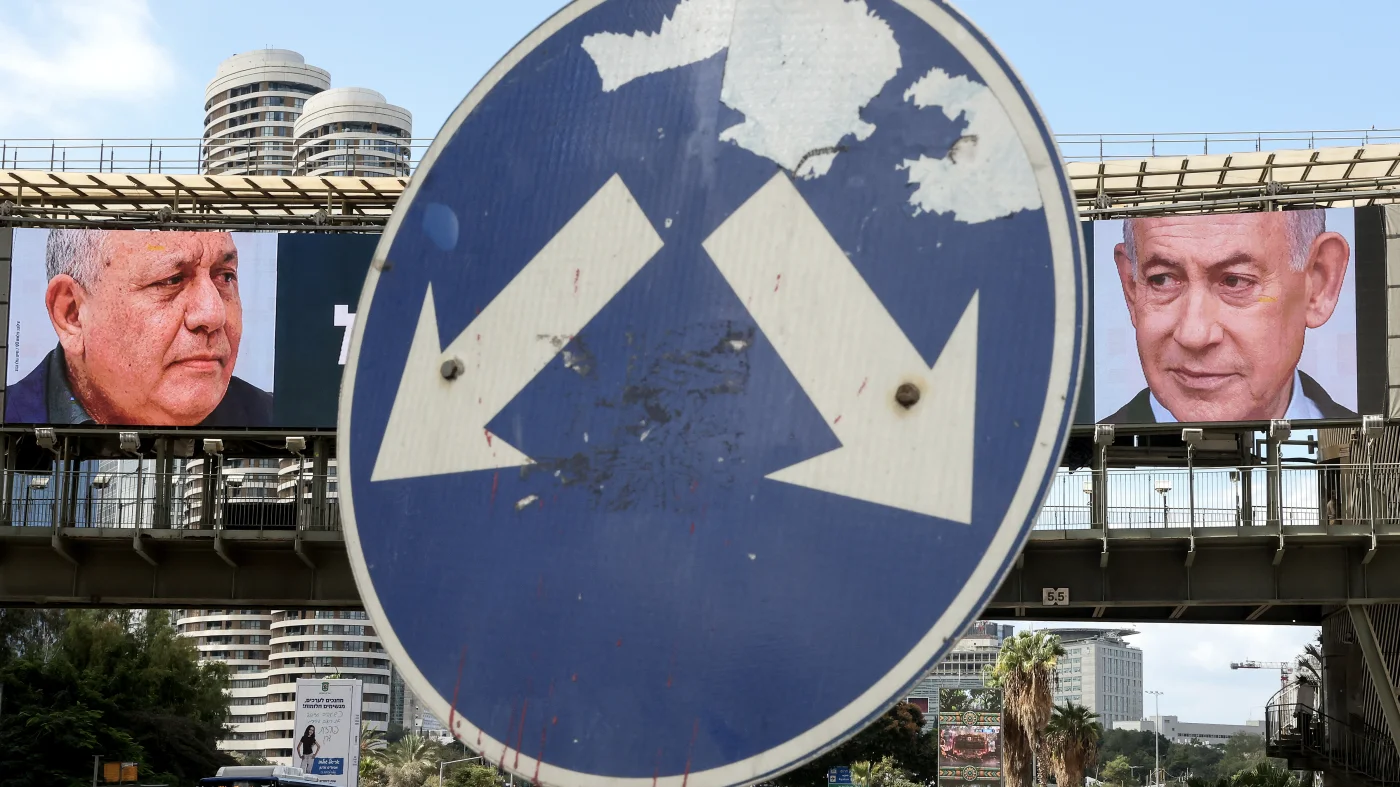
- Benjamin Netanyahu campaigns for re-election as prime minister, seeking to retain power after nearly 19 years in office across multiple terms since 1996, with his leadership under scrutiny over the October 7 attack and Gaza war.
- Gadi Eisenkot, former Israel Defence Forces chief, leads the centrist Yashar party and challenges Netanyahu, having resigned from the war cabinet in June 2024 over lack of a clear military strategy.
- Naftali Bennett heads the B'Yachad alliance, including Yair Lapid's Yesh Atid, and criticizes Netanyahu’s governance while opposing Palestinian statehood, echoing mainstream security positions.
- Israel holds parliamentary elections under a proportional representation system, requiring parties to win at least 3.25% of the vote to enter the 120-seat Knesset, with no single party guaranteed a majority.
- The Gaza war, triggered by the October 7, 2023 Hamas attack that killed about 1,200 Israelis, has led to over 74,000 reported Palestinian deaths and 175,000 injuries according to Gaza's health ministry, shaping voter concerns.
- Netanyahu faces ongoing charges of fraud, breach of trust, and bribery, which he denies, and is subject to an International Criminal Court arrest warrant issued in 2024 over alleged war crimes.
Why it matters: The election outcome will determine whether Netanyahu retains power despite legal and security challenges, or if opposition leaders can form a coalition—directly impacting Israel’s war policy, international standing, and domestic accountability, with over 74,000 reported deaths in Gaza raising stakes for postwar governance.
Ask SkimNews