Fifty billion trees by 2030: how Ethiopia is recruiting citizens across the country to plant, plant, plant — SkimNews

Get the Energy newsletter
Daily energy & climate — solar, EVs, oil, the policy fights and tech bets shaping the transition. Free.
- Ethiopia's Green Legacy Initiative (GLI), launched in 2019, has planted a claimed 48bn trees in seven years toward a 50bn-by-2030 goal, including a reported 353m seedlings in one day.
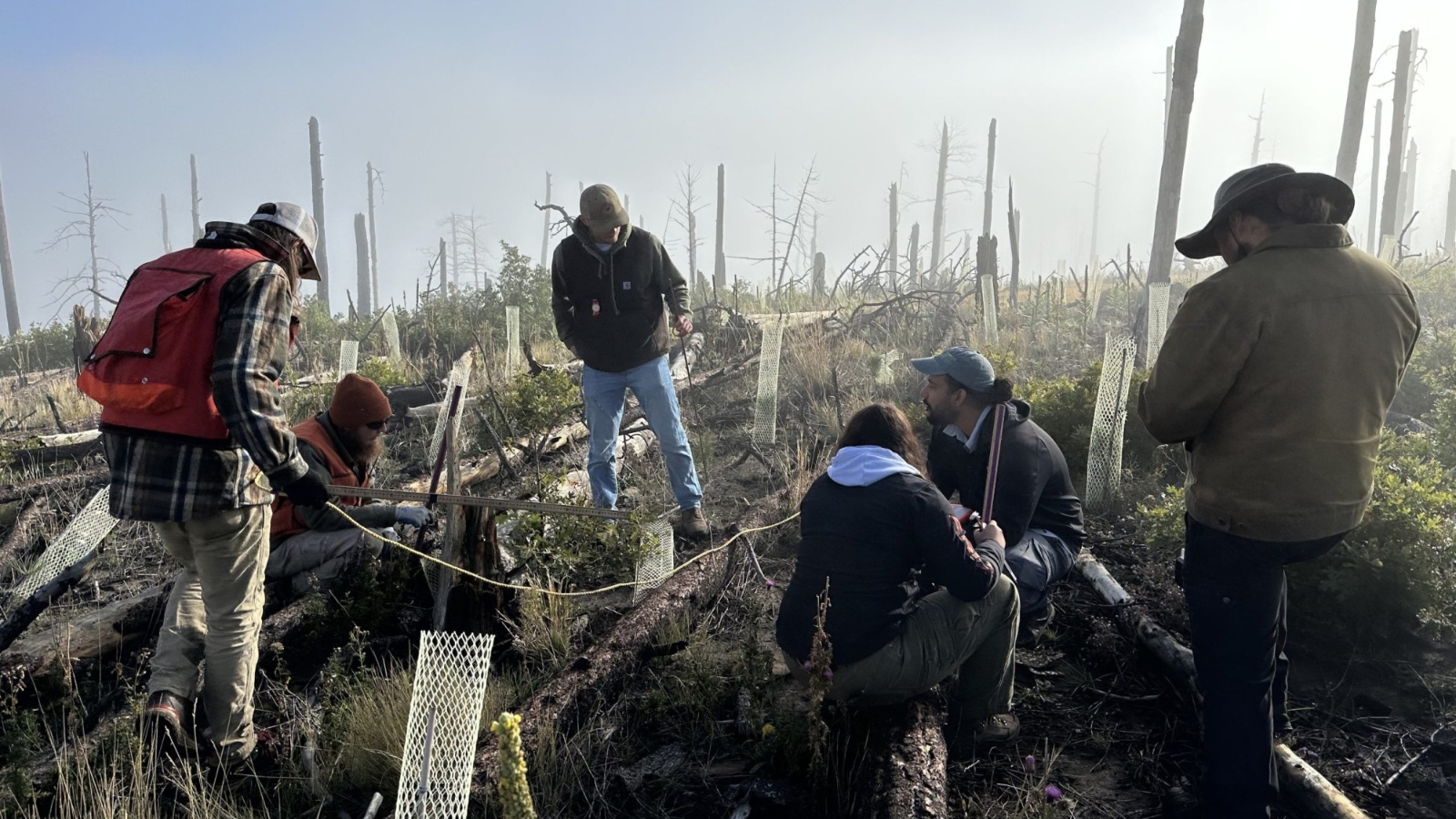
- Halima Kedir, 35, in Berbere district of Oromia, planted thousands of trees despite initial mockery from neighbors; her example has since drawn thousands of households in nearby kebeles to join the effort.
- Ethiopia's deforestation rate fell from 92,000 hectares annually in 2013 to 27,703 hectares in 2023, while national forest cover rose from 15.5% to 23.6% over the same period, though the country still lost 560,000 hectares of tree cover from 2000 to 2025.
- WaterAid Ethiopia has distributed approximately 55,000 indigenous tree seedlings to households in the Berbere area, with 85% reported as growing successfully.
- Government-reported seedling survival rates of 83.4% in 2019 and 79% in 2020 face skepticism: researchers studying 15 Ethiopian tree-planting schemes found 10 achieved less than 50% success.
- Ethiopia's parliament allocated 0.5%–1% of its 2.339tn birr annual federal budget (roughly £50m–£110m) to a Green Legacy and Landscape Restoration Special Fund, and the country was selected to host Cop32 in Addis Ababa in November 2027.
Why it matters: Ethiopia's 50bn-tree target is one of the world's most ambitious national reforestation drives, backed by a dedicated parliamentary fund and culminating in its selection to host Cop32 in 2027 — but independent researchers found most Ethiopian planting schemes achieve under 50% survival, meaning headline planting totals may overstate actual forest gains.
Ask SkimNews