Los Angeles turns ‘most polluting’ World Cup into Olympic rehearsal in bid for climate legacy — SkimNews
Get the Energy newsletter
Daily energy & climate — solar, EVs, oil, the policy fights and tech bets shaping the transition. Free.
- Los Angeles is treating eight World Cup matches at SoFi Stadium as a dry run for the 2028 Summer Olympic and Paralympic Games, with Paul Krekorian of Mayor Karen Bass' Office of Major Events telling City Council the goal is to deliver "lasting legacy."
- City preparations are running against a backdrop of weak hotel bookings, high ticket prices, a growing budget deficit, tens of thousands of residents still displaced by January 2025 wildfires, and lingering fears from ICE raids in a city where a quarter of the immigrant community is undocumented.
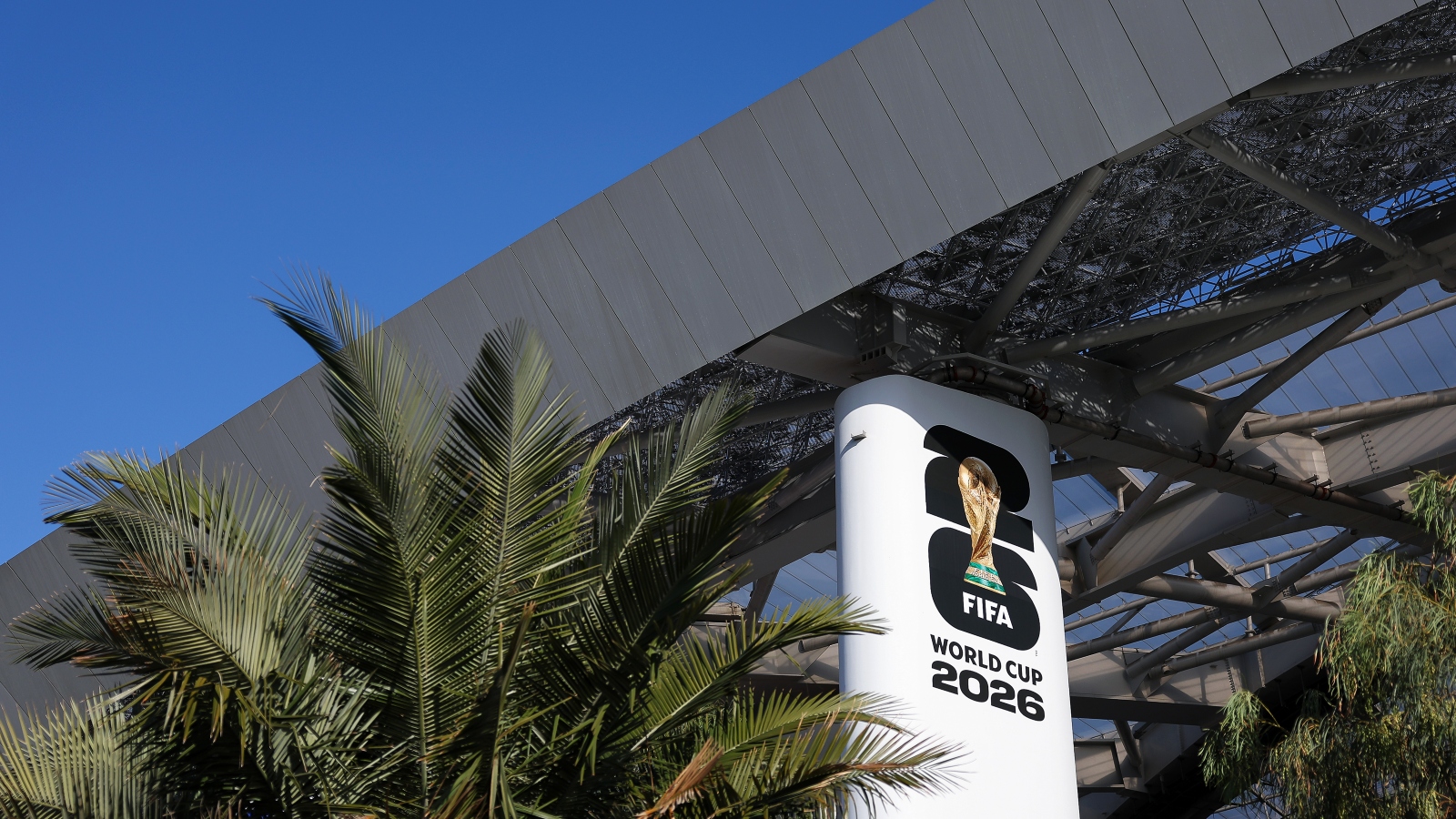
- SoFi Stadium ($5.5 billion) uses openable roof panels for natural updraft cooling and a rainwater catchment system that irrigates surrounding native plants, but host city Inglewood has only 9% tree canopy cover against a recommended 30%.
- LA Metro opened three new D Line underground stations in May after six decades of construction and projects roughly 78,000 daily riders, with six more stations planned by 2028 to link UCLA dorms (the future Olympic Village) to downtown.
- LA's transit gap is stark: only about 3% of commutes use public transit (2024 American Community Survey), most of the city's 12,000 daily-served bus stops are unsheltered without live departure boards, and the Sidewalk and Transit Amenities Program has installed just 403 shelters.
- Tensions flared at kick-off: SoFi Stadium workers threatened to strike days before the tournament, and FIFA reversed a ban on fans bringing sealed transparent water bottles into matches following public backlash.
- Heat-risk scientist Sven Schneider warned that the spectators and service staff most exposed to overheating require targeted protection, noting that oceans of concrete and limited shade around SoFi leave fans vulnerable long before they enter the venue.
Why it matters: The 78,000 projected daily D Line riders and six new stations by 2028 represent LA's bet that mega-events deliver lasting transit gains, but a 9% Inglewood tree canopy, unsheltered bus stops, and tens of thousands of residents still displaced by January 2025 wildfires expose how unevenly any "climate legacy" would land on the city's most exposed neighborhoods.
Ask SkimNews