Bangladesh raises fuel prices as Middle East conflict drives up costs — SkimNews
Get the Geopolitics newsletter
Daily geopolitics — wars, elections, sanctions, the diplomatic moves that move markets. Free.
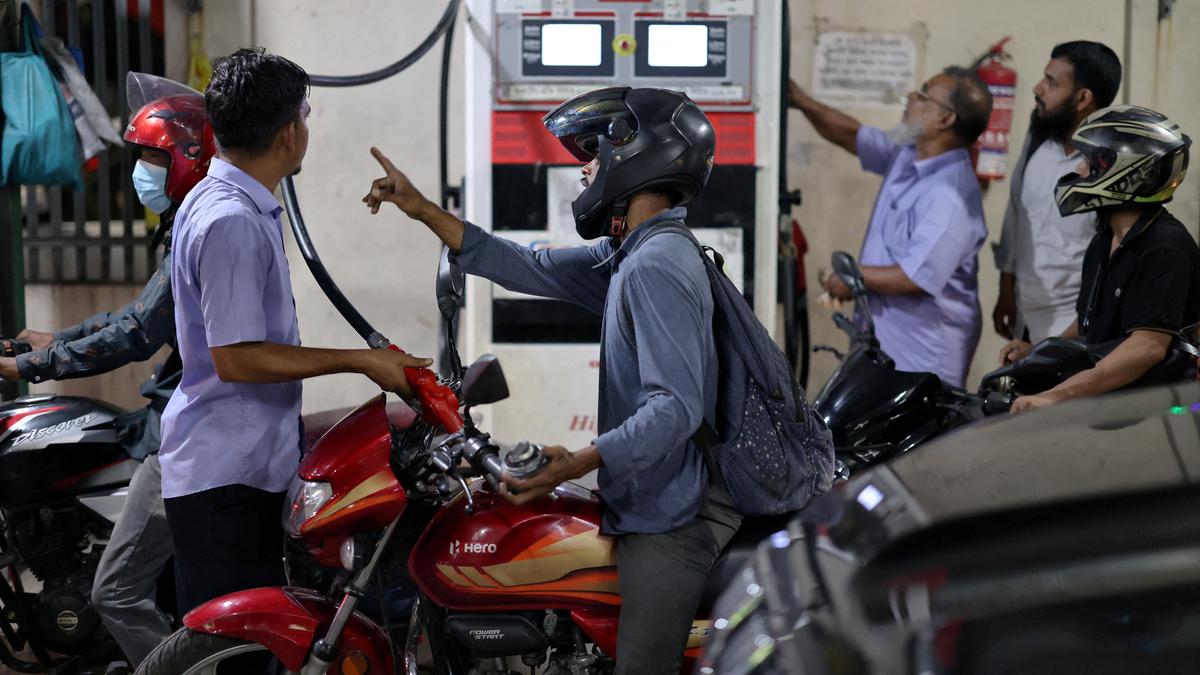
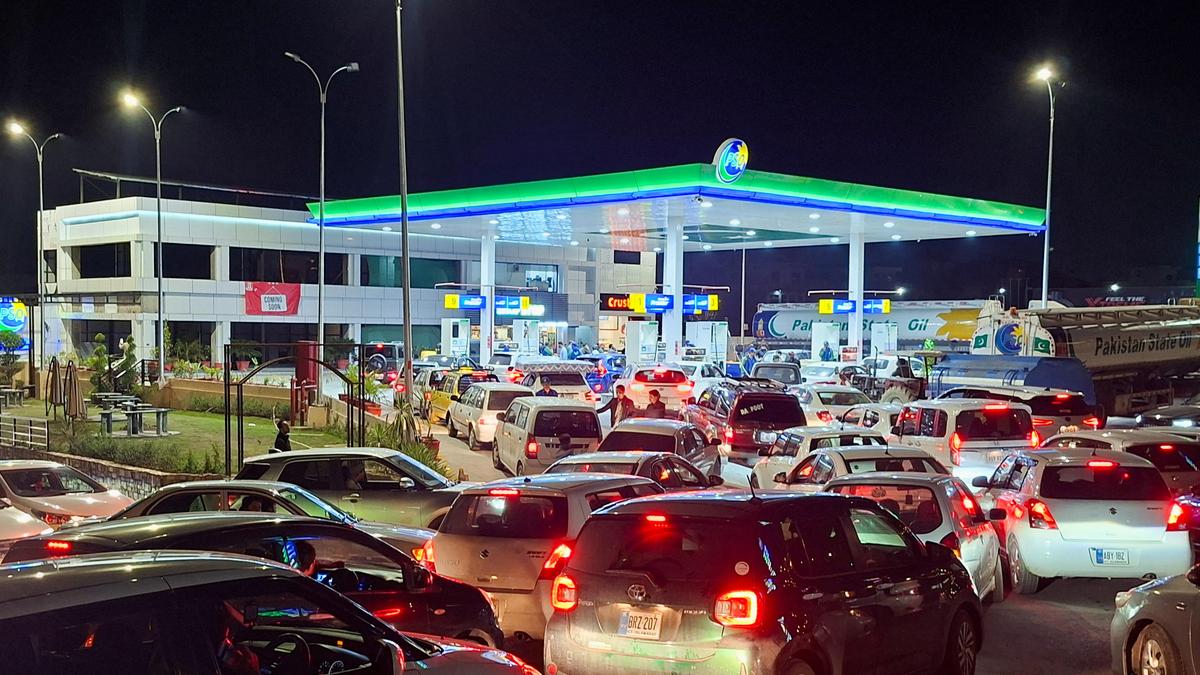
- Bangladesh raised fuel prices effective Monday, with diesel climbing 17.4% to 135 taka ($1.11) per litre from 115 taka, alongside increases for 95-octane gasoline (145→165 taka), petrol (140→160 taka), and kerosene (135→155 taka).
- The Energy Ministry said international fuel prices had more than doubled since March 2026 and attributed the hike to significantly higher freight costs linked to regional instability in the Middle East.
- Bangladesh Petroleum Corporation recorded losses of 228.76 billion taka ($1.9 billion) between March and August; the ministry projects the price hike will reduce annual losses by roughly 100 billion taka while conserving foreign exchange reserves and curbing cross-border fuel smuggling.
- Mohiuddin Rubel, additional managing director of Denim Expert Ltd — a supplier to H&M — said gas, power, and fuel costs directly feed into competitiveness, warning that the buyer who delivers cheapest and fastest wins.
- Anwar-ul Alam Chowdhury, president of the Bangladesh Chamber of Industries and chairman of garment exporter Evince Group, said the hike will fuel inflation, raise production and transport costs, trigger job losses, and force some businesses to downsize.
- The increase marks Bangladesh's third fuel price hike of 2026, following earlier rounds in April and June tied to the same global oil price surge.
Why it matters: Bangladesh's garment export sector — the country's largest industry and a major employer — now faces compounded cost pressure on top of existing energy shortages, with diesel alone jumping 17.4%. For manufacturers like H&M supplier Denim Expert, the squeeze directly threatens competitiveness against faster, cheaper rivals at a moment when buyers are already cutting orders to manage costs.
Ask SkimNews