Flinders VFD turns tung oil into hair repair biopolymer — SkimNews

Get the Health newsletter
Daily health & science — research, biotech, public health, the studies worth knowing. Free.
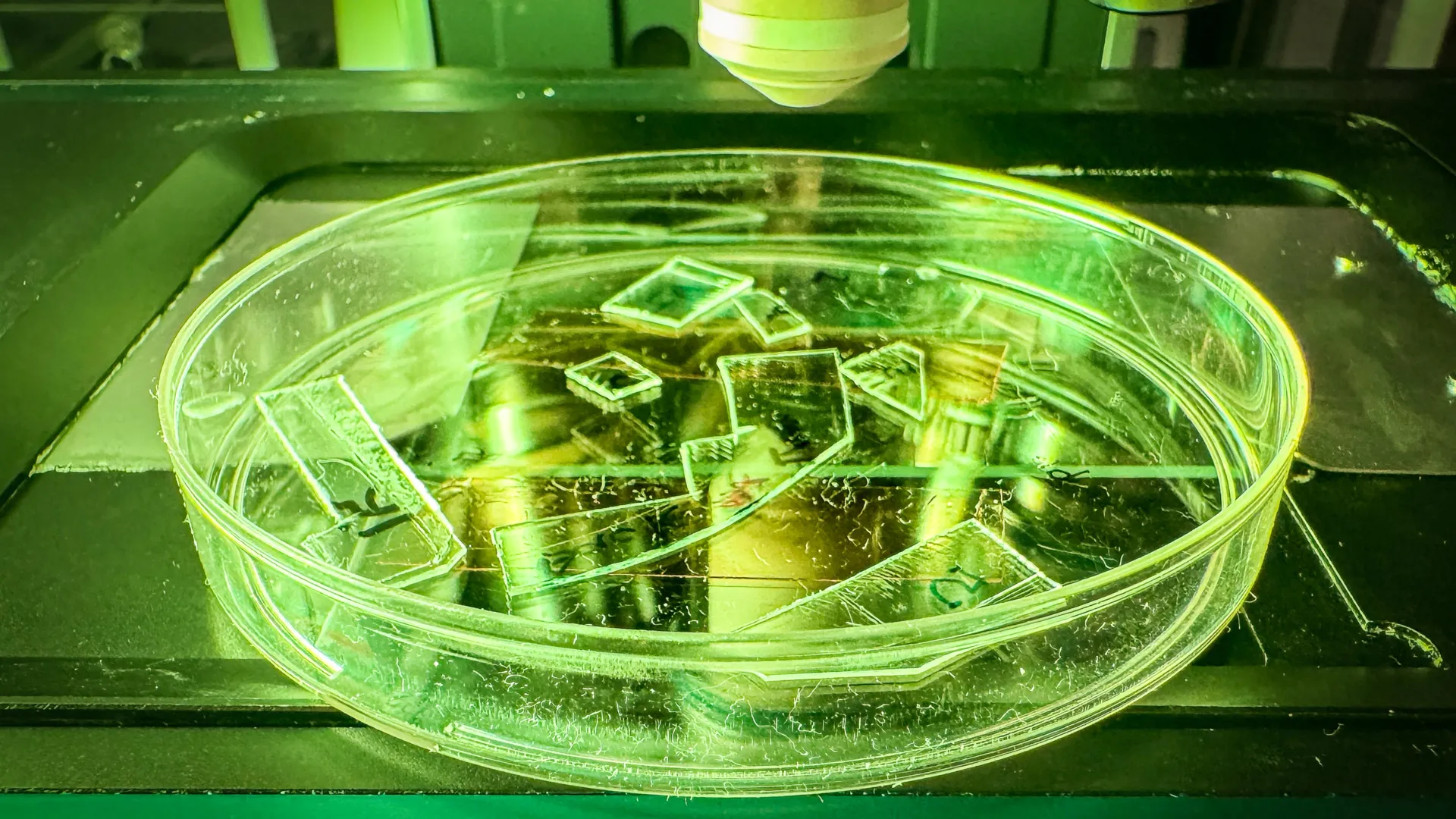
- Flinders University researchers used a Vortex Fluidic Device (VFD) to formulate a biopolymer from tung oil and tung free fatty acids that seals hair cuticles, increases elasticity, and reinforces fibers damaged by dyes, bleaching, or heat.
- Xuejiao Cao, a Ph.D. candidate in the Raston Lab, led the study published in ACS Applied Bio Materials, reporting "significant mechanical recovery in damaged hair" from tests of the sustainable biopolymer.
- Professor Colin Raston, who leads the Raston Lab, said the thin-film microfluidic VFD demonstrates that "expensive energy and potentially harmful chemicals are not necessary" across green chemistry applications from cosmetics to biofuels.
- The tung oil was extracted from seeds of Aleurites fordii, a small Asian evergreen traditionally used for lighting and now also found in paints, varnishes, and printing inks.
- The VFD platform is being adopted by researchers worldwide to scale up non-toxic processing of organic cosmetics, nutraceuticals, protein science, and chemical synthesis, according to the release.
- Raston is also a chief investigator with the ARC Industrial Transformation Training Centre for Green Chemistry in Manufacturing, which is backing the research push.
- Market research cited in the release projects the global organic cosmetics market to rise from $US21.6 billion in 2024 to nearly $US35.5 billion by 2034.
Why it matters: For cosmetics brands chasing a market projected to reach $US35.5 billion by 2034, Flinders' tung-oil biopolymer offers a renewable, non-toxic alternative to fossil-based keratin treatments, and the VFD platform simultaneously lowers energy costs and chemical hazards. Raston and Cao are positioning a single lab tool as a multi-vertical green-chemistry engine spanning hair care, biofuels, and protein science.
Ask SkimNews