Kaliningrad blockade risk raises nuclear stakes — SkimNews
Get the Geopolitics newsletter
Daily geopolitics — wars, elections, sanctions, the diplomatic moves that move markets. Free.
- Kaliningrad is now surrounded by NATO members after the alliance’s expansion, making it a strategically vulnerable Russian exclave comparable to West Berlin during the Cold War.
- Russia has stated it would respond with nuclear weapons if NATO blockades Kaliningrad, a position consistently held across the Russian security establishment.
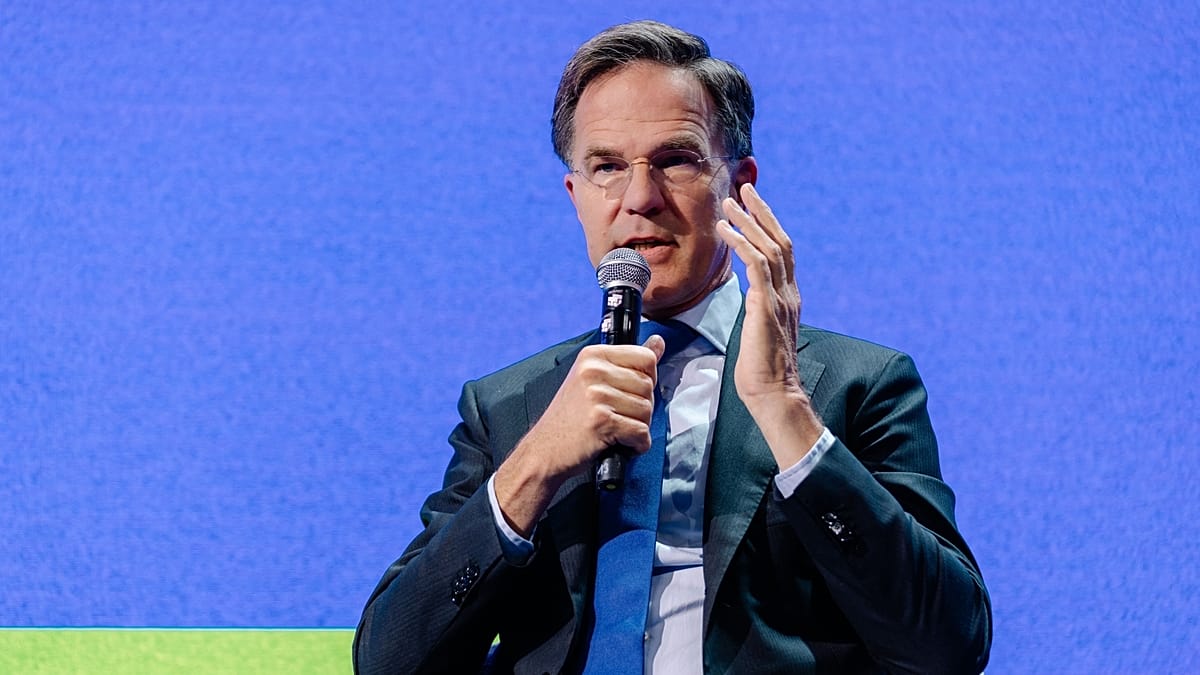
- NATO Secretary General Mark Rutte dismissed Russia’s nuclear threat over Kaliningrad as unserious, reflecting a broader Western tendency to downplay Moscow’s strategic concerns.
- Lithuania imposed a transit ban in 2022 on sanctioned goods to Kaliningrad, prompting Russian threats and a subsequent EU reversal on rail transport restrictions.
- Sweden announced in 2025 it would inspect Russia’s 'shadow fleet' in its maritime economic zone, a move that, with Baltic states’ cooperation, could effectively blockade Kaliningrad by sea before backing down under Russian pressure.
- Polish Foreign Minister Radek Sikorski advocated aggressive NATO military exercises near Kaliningrad to force Russia to divert troops from Ukraine, while acknowledging minimal Russian troop presence there.
Why it matters: The West risks triggering a nuclear confrontation by treating Kaliningrad as a pressure point without accounting for Russia’s stated red lines; with 12,000–18,000 nominal troops there—many reportedly deployed to Ukraine—and Poland’s 100,000-strong army building up, any blockade could force Moscow into a corner it has explicitly said it would respond to with nuclear ultimatums.
Ask SkimNews