NATO expansion isolates Kaliningrad, raising nuclear stakes — SkimNews
Get the Geopolitics newsletter
Daily geopolitics — wars, elections, sanctions, the diplomatic moves that move markets. Free.
- Kaliningrad is now encircled by NATO member states following the alliance’s post-1989 expansion, turning the exclave into a strategic vulnerability for Russia comparable to West Berlin during the Cold War.
- Russia has repeatedly warned that a NATO blockade of Kaliningrad would be treated as an act of war, with Russian officials stating Moscow would respond with a nuclear ultimatum if necessary.
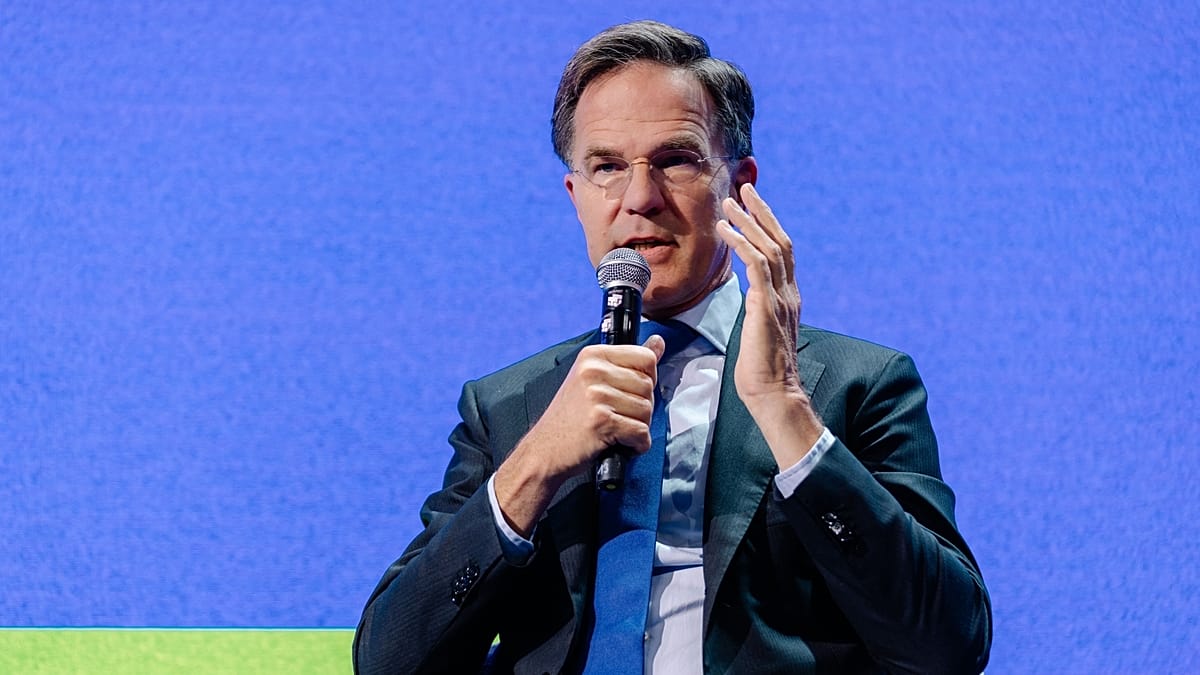
- NATO Secretary General Mark Rutte dismissed Russia’s nuclear warnings over Kaliningrad as unserious, reflecting a broader Western tendency to downplay Moscow’s stated red lines.
- Lithuania imposed a rail transit ban in June 2022 on EU-sanctioned goods to Kaliningrad—covering about half the exclave’s imports—prompting harsh Russian threats before the EU reversed course.
- Sweden announced in June 2025 it would inspect vessels in its maritime economic zone, a move that, combined with Baltic States’ patrols, could effectively blockade Kaliningrad by sea, though the plan was later scaled back after Russian military pushback.
- Polish Foreign Minister Radek Sikorski said NATO should conduct aggressive military exercises near Kaliningrad to force Russia to divert troops from Ukraine, while acknowledging the exclave is now lightly defended.
Why it matters: Russia’s reliance on nuclear deterrence to defend Kaliningrad reflects its weakened conventional posture after losses in Ukraine, while NATO members’ repeated moves toward blockading the exclave risk triggering the very escalation they claim to prevent—putting European security at growing risk of miscalculation.
Ask SkimNews