Dead Florida Sloths Show Pathogen Load — SkimNews
Get the Energy newsletter
Daily energy & climate — solar, EVs, oil, the policy fights and tech bets shaping the transition. Free.
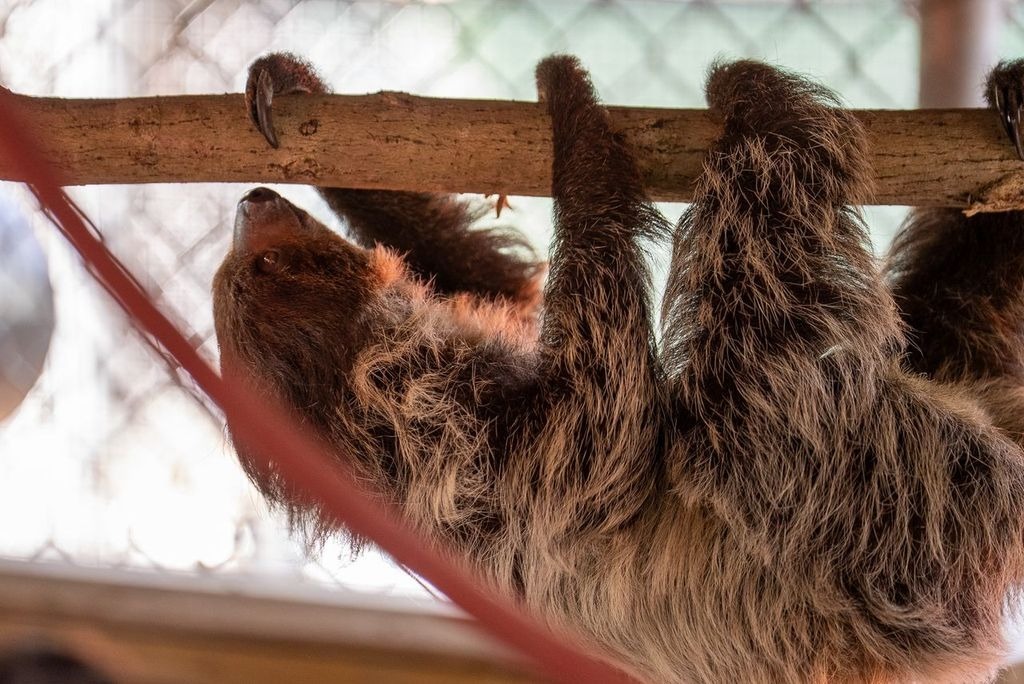
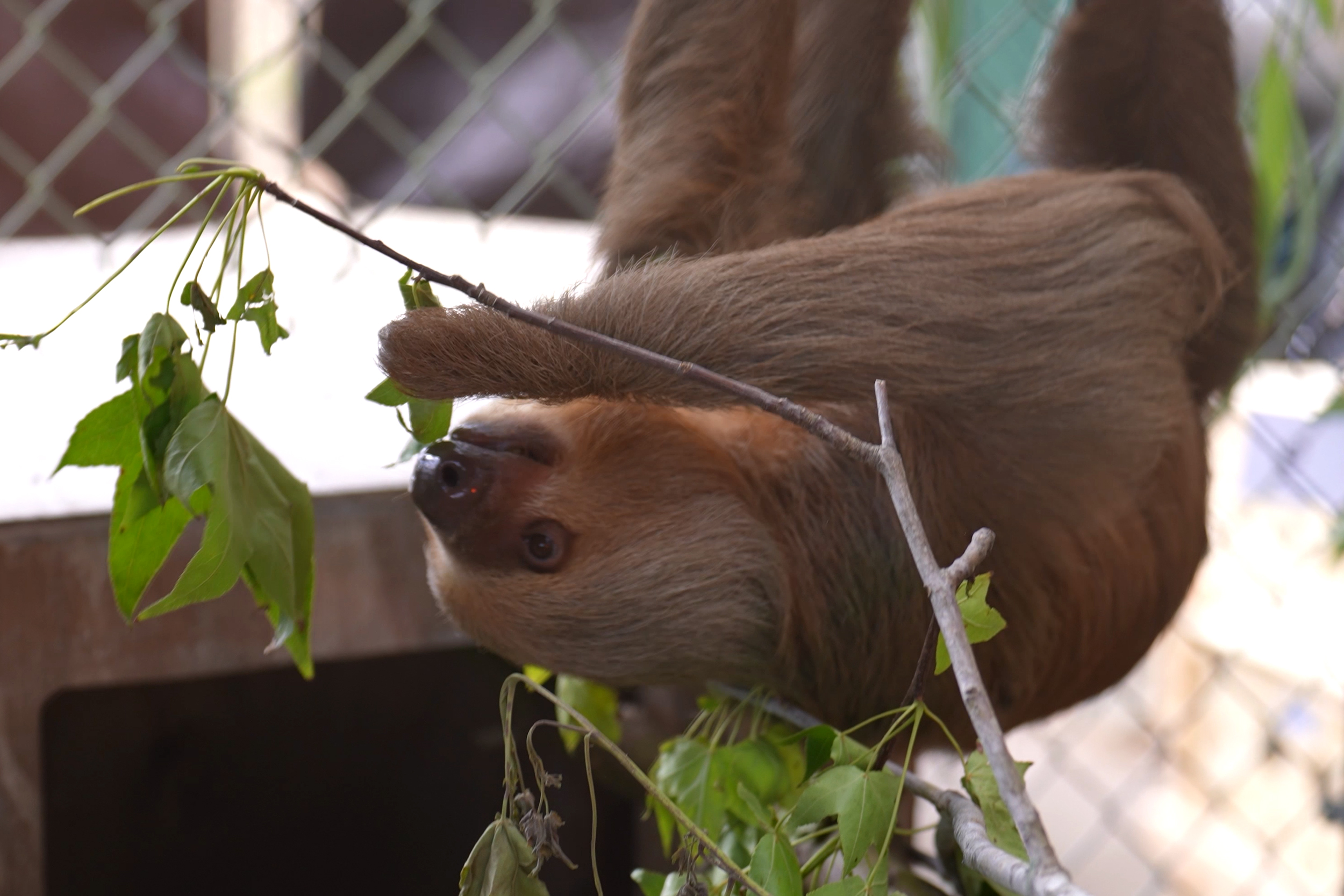
- Sloth World imported over 60 sloths from Peru and Guyana, but more than 50 died before the attraction opened, prompting its closure after an Inside Climate News investigation.
- Pathologists performing necropsies on the dead sloths found parasites, bacteria, and viruses, with symptoms including distended stomachs, diarrhea‑matted fur, and pneumonia‑congested lungs.
- Dr. Neil Vora, a physician and epidemiologist, warned that the wildlife trade creates a “ticking time bomb” for pandemics, citing SARS and Mpox as past examples of disease emergence from animal markets.
- Science (journal) published a 40‑year analysis showing species involved in the global wildlife trade are 50% more likely to share pathogens with humans, and longer‑traded species share even more.
- U.S. agencies (CDC, Fish and Wildlife Service, USDA, Florida Fish and Wildlife Conservation Commission) could not agree on which body oversees zoonotic disease risk for imported wildlife, leaving the sloths in a regulatory vacuum after they cleared customs.
- Trump administration withdrew the United States from the World Health Organization and cut staff at agencies overseeing exotic wildlife, weakening pandemic protections and public‑health oversight.
Why it matters: The findings highlight that wildlife traders, regulators, and the public face heightened pandemic risk, while the lack of clear oversight leaves the US vulnerable to zoonotic disease spread; this underscores the need for stronger health‑based regulations and coordinated agency responsibility to protect both animal welfare and human health.
Ask SkimNews