Utilities can use AI to solve grid backlogs: AWS energy lead — SkimNews
Get the Energy newsletter
Daily energy & climate — solar, EVs, oil, the policy fights and tech bets shaping the transition. Free.
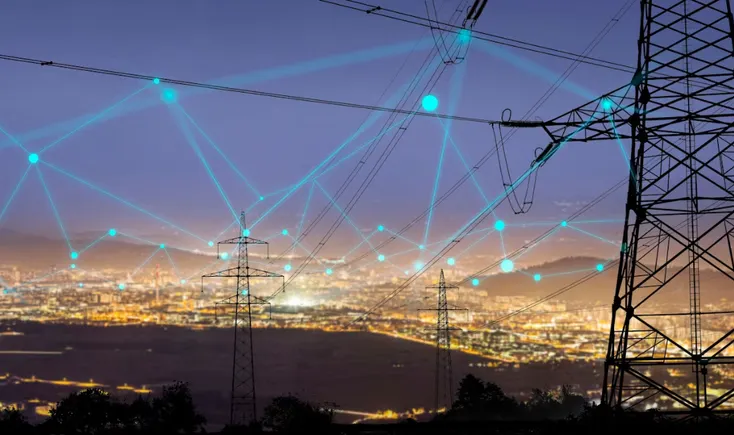
- More than 2,000 GW of potential U.S. power projects — enough to power every U.S. home more than twice over — are awaiting interconnection review, with average project waits climbing from roughly two years in the early 2000s to five years and counting today.
- Duke Energy, the country's largest utility, has doubled the number of projects it evaluates in a year using AI-powered grid planning while also cutting study time.
- Pacific Gas & Electric consolidated data from more than 80 sources across 20 systems into a single AI planning tool, prioritizing 17,000 grid upgrades, cutting costs 20% inside a $100 million pilot and eliminating millions of customer outage minutes.
- The Federal Energy Regulatory Commission convened utilities, tech companies and government agencies this summer to discuss how AI can accelerate grid planning — a sign regulators see the technology as a potential bottleneck fix.
- An Amazon agreement with Northern Indiana Public Service Co. in Indiana has Amazon covering all costs of building the associated data-center infrastructure, projected to deliver approximately $1 billion in savings to existing customers over 15 years.
- U.S. energy demand is projected to grow more than 50% by 2050, driven by electrification, renewable energy projects and AI data centers themselves — adding pressure to the already backlogged grid.
Why it matters: Utilities today test only a handful of what-if interconnection scenarios per study, while AI tools can simulate thousands — letting early adopters like Duke and PG&E clear projects faster and keep infrastructure costs off existing customers' bills. With 2,000+ GW stuck in queue and demand projected up 50%+ by 2050, the utilities that cut the five-year interconnection wait first will be the ones hosting new data-center capacity.
Ask SkimNews