As the world rearms, South Korea aims to cash in
Get the Geopolitics newsletter
Daily geopolitics — wars, elections, sanctions, the diplomatic moves that move markets. Free.
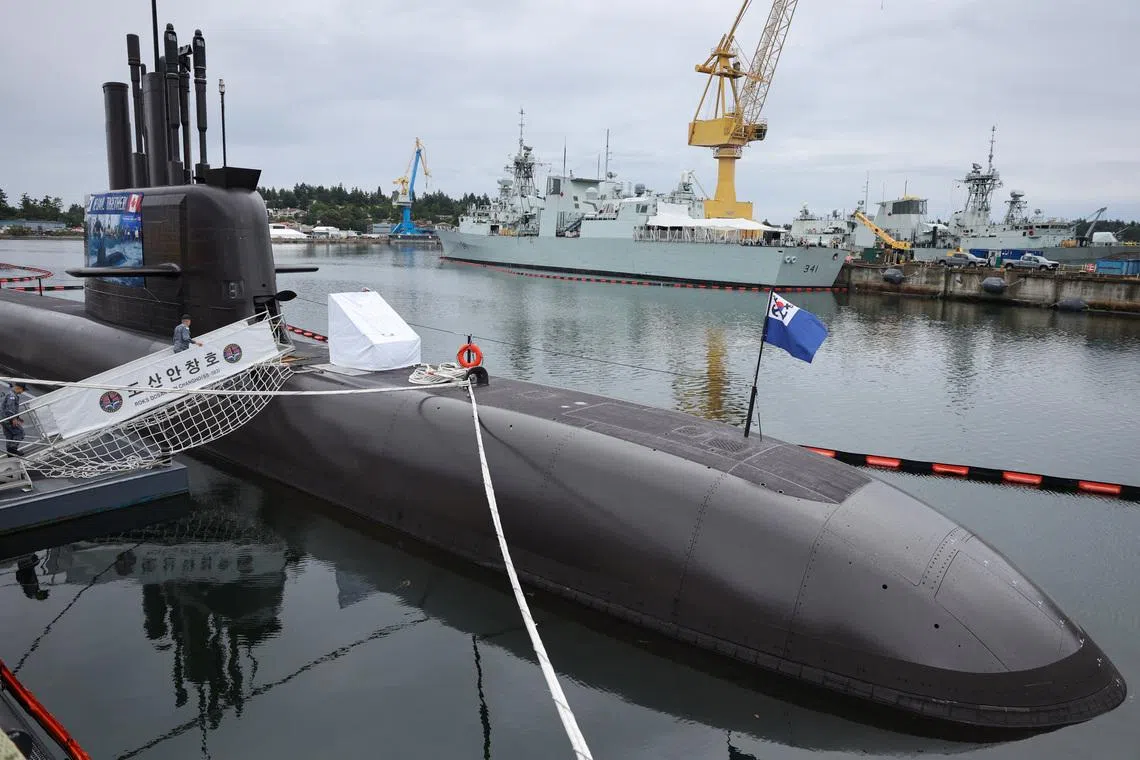
- South Korea's defense exports reached $15.4 billion in 2025, peaking at $17.3 billion in 2022, according to DAPA figures cited by the Seoul Economic Daily, even after stinging from Canada's recent decision to pick a German design for new submarines.
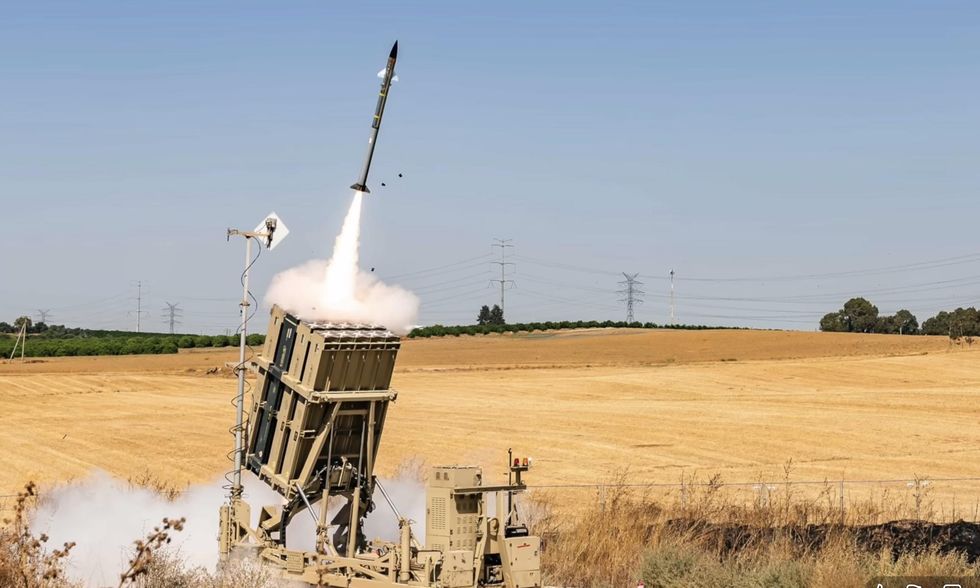
- The Cheongung-II medium-range surface-to-air missile has become a flagship export, comparable to the US Patriot but with interceptors costing $1.1 million each versus several million and a delivery time of about one year versus a minimum four years; South Korea sold 10 batteries to the UAE in 2022 and the system achieved a 96% interception rate during early Middle East conflict strikes.
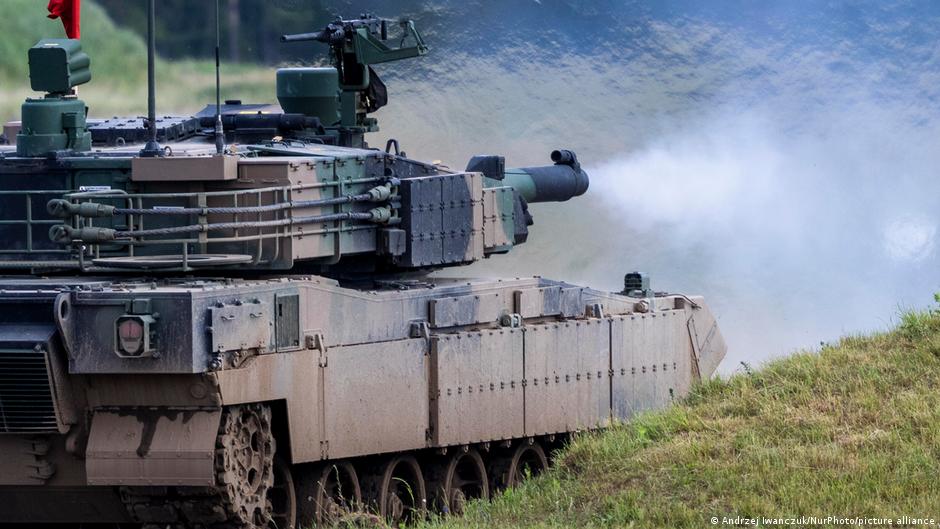
- Poland is the single largest buyer, accounting for over 40% of South Korean arms exports, with orders including 364 K9 Thunder self-propelled howitzers, 360 K2 Black Panther main battle tanks, K239 Chunmoo rocket launchers, 48 FA-50 light combat aircraft, and 1,266 Legwan combat vehicles — much of Poland's older Soviet-era equipment was passed on to Ukraine.
- Saudi Arabia has purchased the Cheongung-II system, while Iraq is expected to follow; Vietnam and the Philippines are in talks for patrol vessels and FA-50s, Peru signed a Hyundai Heavy Industries naval deal, and Indonesia is involved in the KF-21 fighter jet program.
- The KF-21 Boramae, South Korea's first domestically developed fighter jet, was rolled out in May with President Lee Jae-myung attending, marking a step into the higher-end aircraft market beyond mid-range systems.
- Economists and retired generals caution that the boom depends on global uncertainty, warning that European and NATO countries will eventually build up their own industries — Park Saing-in of Seoul National University urged Seoul to move beyond sales into joint R&D, production, and deployment partnerships.
- South Korean firms have diversified beyond their shipbuilding and artillery roots into armored vehicles, missiles, and air defense, with retired general Chun In-bum noting the playbook mirrors Seoul's historical success in consumer electronics — fast, affordable, and good enough.
- Canada's recent selection of a German submarine design over South Korea stung the industry but has not slowed its broader push, as Seoul courts European buyers shocked by Russia's aggression and weakened by years of defense underinvestment.
Why it matters: South Korean interceptors cost $1.1 million versus several million for US Patriots, and Seoul delivers a full system in about one year versus four-plus — a concrete price and speed advantage reshaping how NATO's eastern flank rearms, with Poland alone absorbing 364 K9 howitzers and 360 K2 tanks and passing Soviet-era gear to Ukraine. The strategic risk for Seoul is that this growth runs on temporary global uncertainty, and Europe will eventually rebuild its own defense industry.