South Korea races to dominate global arms exports
Get the Geopolitics newsletter
Daily geopolitics — wars, elections, sanctions, the diplomatic moves that move markets. Free.
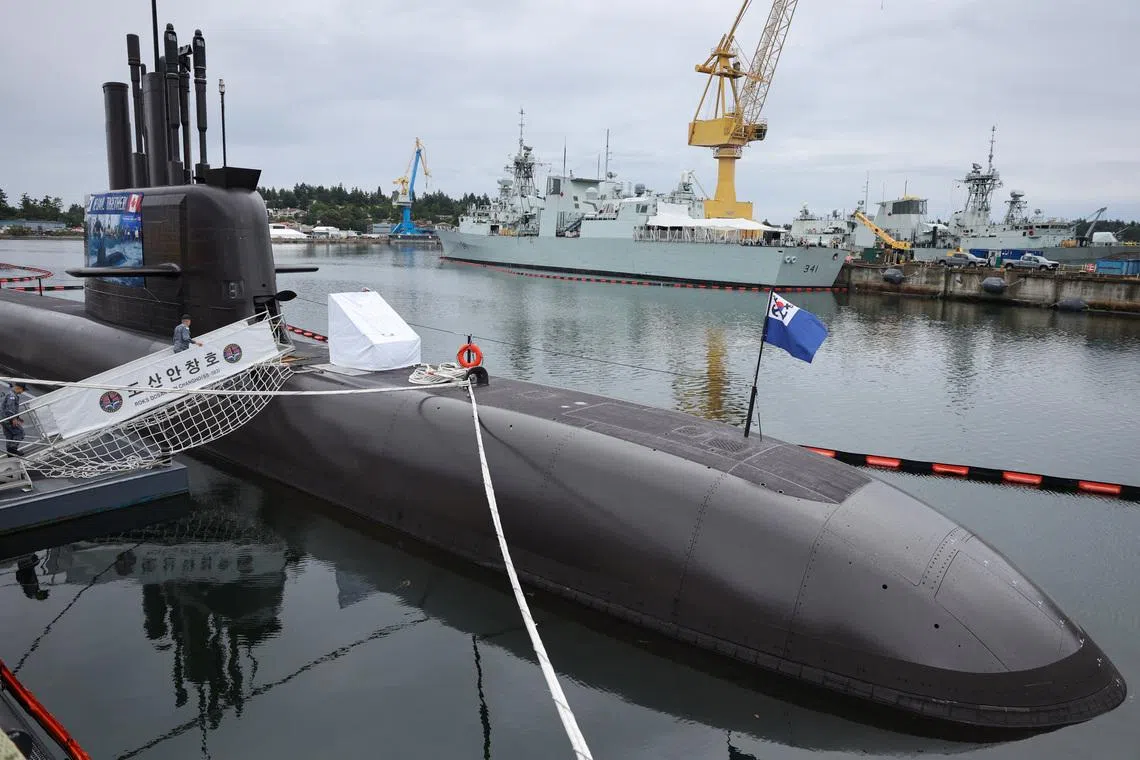
- South Korea's defense exports reached $15.4 billion in 2025 per the Defense Acquisition Program Administration (DAPA), with a 2022 peak of $17.3 billion, positioning the country among the world's top arms exporters and prompting a swift pivot after Canada's recent decision to select a German submarine design.
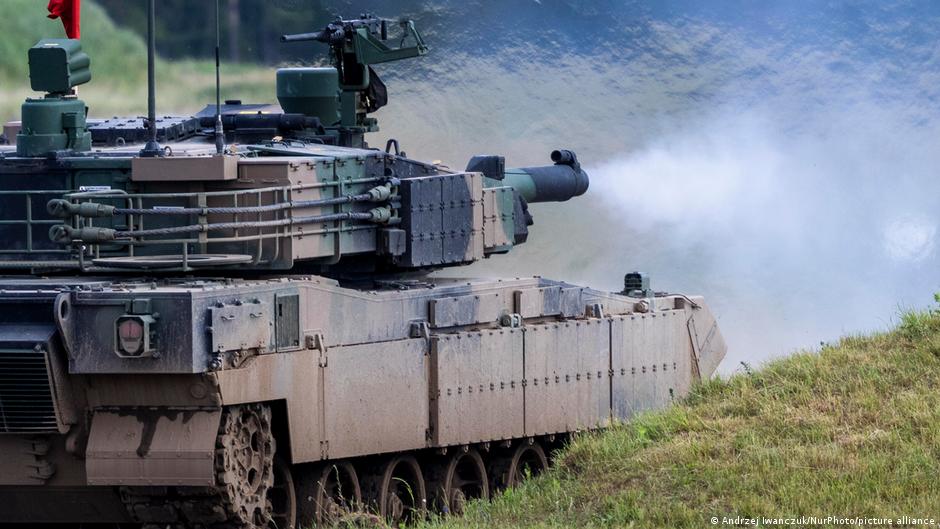
- Poland accounts for over 40% of South Korean defense exports, ordering 364 K9 Thunder 155mm self-propelled howitzers, 360 K2 Black Panther main battle tanks, K239 Chunmoo multiple rocket launchers, 48 FA-50 light combat aircraft, and 1,266 Legwan combat vehicles — a overhaul that let Warsaw transfer older Soviet-era equipment to Ukraine.
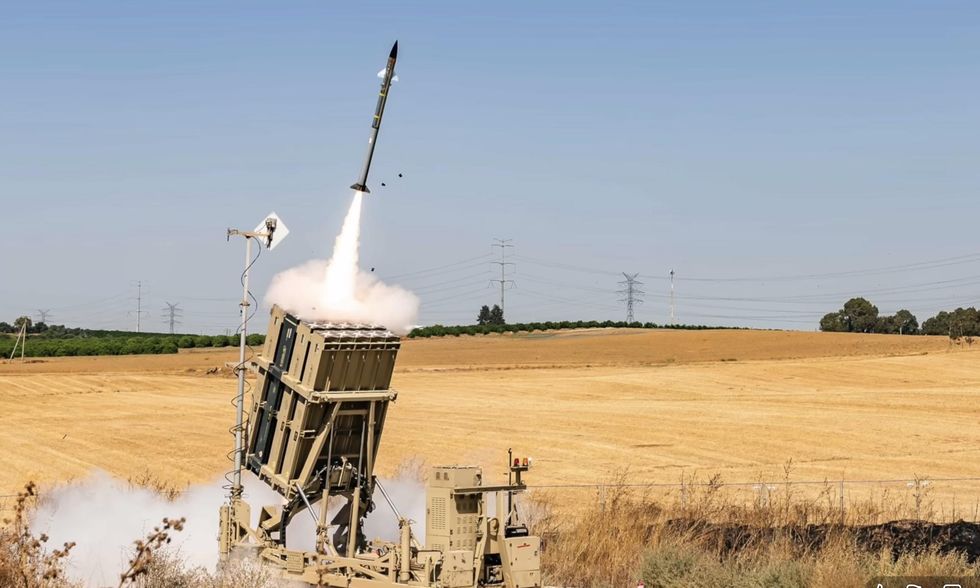
- The Cheongung-II medium-range surface-to-air missile, which achieved a 96% interception rate during early Middle East missile attacks, costs roughly $1.1 million per interceptor versus several million for the US Patriot and can be delivered in about a year versus a Patriot battery's minimum four-year lead time.
- The UAE purchased 10 Cheongung-II batteries in 2022, Saudi Arabia followed suit, and Iraq is expected to purchase the system as South Korea deepens its Middle East customer base.
- European and Indo-Pacific buyers are expanding orders: Finland, Estonia, Norway, and Romania have all purchased K9 howitzers, while pending deals include K2 tanks, Redback infantry fighting vehicles, and a AU$2.4 billion Australian Army Redback contract.
- South Korea's first domestically developed KF-21 fighter jet rolled out in May at a ceremony attended by President Lee Jae-myung, with Indonesia expected to purchase aircraft from the jointly developed program.
- Economist Park Saing-in of Seoul National University warned that South Korea must shift from pure arms sales to joint research-and-development and production partnerships, because European and NATO nations will eventually build up their own domestic defense industries.
Why it matters: South Korea's ability to deliver a proven 96%-effective air defense system at roughly $1.1 million per interceptor versus several million for a US Patriot — and in roughly a year versus a minimum four years — gives governments facing urgent threats a fast, affordable alternative they can lock in before Europe's planned industrial buildup closes the window.