Court Docs Tie DCI Group to Hack on Exxon Critics
Get the Energy newsletter
Daily energy & climate — solar, EVs, oil, the policy fights and tech bets shaping the transition. Free.
- Kert Davies joined climate advocates and lawyers at the Rockefeller Family Fund's office in January 2016 to strategize holding Exxon accountable after media reports revealed Exxon's own scientists determined as early as 1982 that fossil fuels caused climate change — yet the company funded climate denial campaigns.
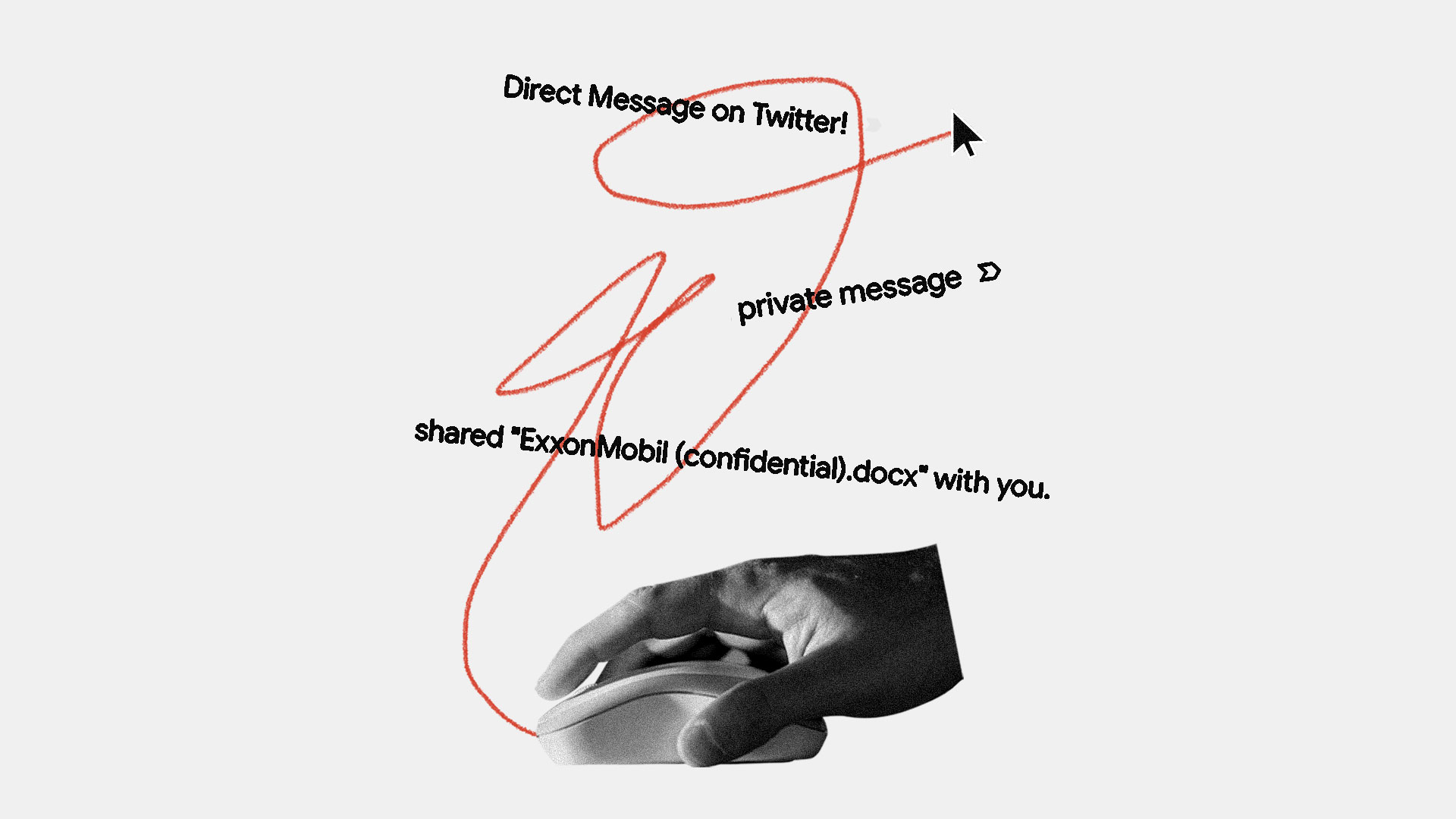
- About a month after the Manhattan meeting, Davies and other climate activists began receiving phishing emails disguised as Facebook, Twitter, and LinkedIn notifications; Citizen Lab later identified the messages as the work of Dark Basin, a hack-for-hire group based in India that attacked thousands of targets across six continents.
- Exxon used the hacked meeting agenda — published by the Wall Street Journal and Washington Free Beacon in April 2016 — in court filings to fight subpoenas from 17 attorneys general investigating the company, characterizing activists' coordination as a conspiracy.
- Israeli private investigator Aviram Azari was arrested at JFK in September 2019 and pleaded guilty in 2022; sentencing documents revealed clients paid him more than $4.8 million over almost five years to manage phishing campaigns targeting politicians, prosecutors, CEOs, journalists, and activists.
- A second Israeli private investigator, Amit Forlit, now faces hacking and wire fraud charges carrying up to 45 years in prison; his court filings allege the operation was commissioned by DCI Group, which Reuters reported the FBI investigated regarding the hacking.
- DCI Group and Exxon both deny involvement — Exxon says it has not been involved in any hacking activities, and DCI Group partner Craig Stevens said the firm has been told it is not under investigation and called any insinuation otherwise 'completely false and unsubstantiated.'
- Davies alone received more than 80 phishing emails, and Citizen Lab researcher John Scott-Railton found the broader target list included hedge funds, short sellers, and financial journalists — suggesting the operation was a mercenary outfit taking commissions from multiple clients.
Why it matters: If the allegations hold up, they expose a fossil fuel company potentially weaponizing stolen private communications to derail accountability lawsuits from 17 state attorneys general — while the hired investigators themselves face extradition and up to 45 years in prison. The Forlit case could finally publicly name the client behind a decade-old hack-for-hire operation that has so far faced few consequences.