US, Saudi Strikes in Iraq as Mideast Conflict Spreads — SkimNews

Get the Geopolitics newsletter
Daily geopolitics — wars, elections, sanctions, the diplomatic moves that move markets. Free.
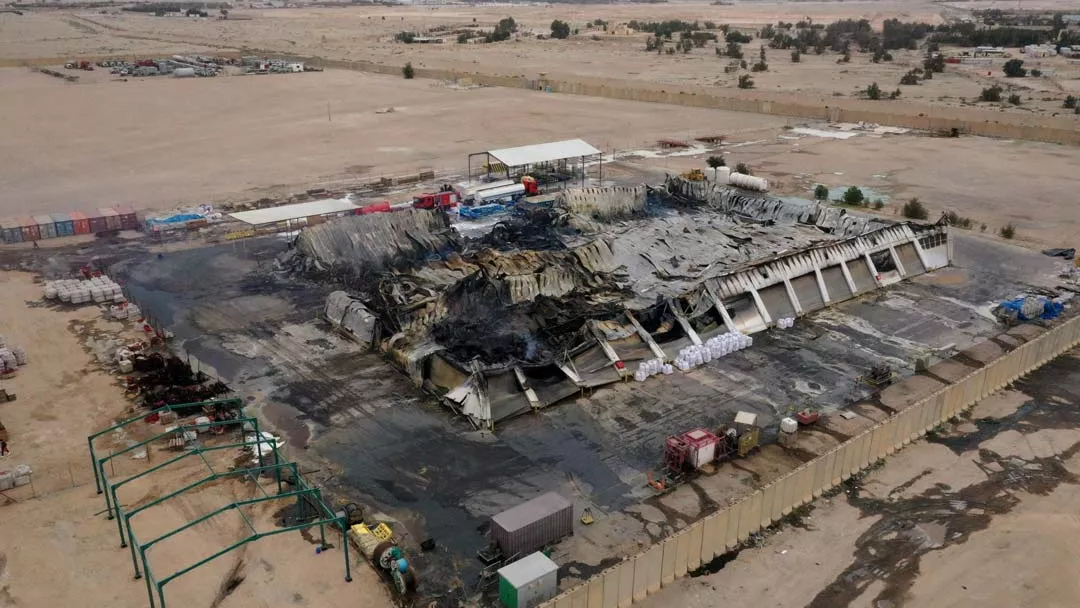
- US and Saudi airstrikes hit Iran-allied Iraqi militia targets, prompting Iraqi PM Ali al-Zaidi — who hosted Trump at the White House last month — to denounce the attacks as a "flagrant violation of sovereignty"
- Houthis resumed Red Sea shipping attacks as a direct outgrowth of the US-Iran war, and Saudi Arabia is preparing a possible new Yemen offensive while attempting to draw in dozens of other countries
- Iran's "horizontal escalation" strategy triggered retaliatory strikes across Saudi Arabia, the UAE, Kuwait, Bahrain, Qatar, and Jordan, with Jordan the site of the most recent American casualties
- A Ukrainian strike against a Russia-bound Iranian vessel in the Caspian Sea linked the Iran and Ukraine wars — a merging the source notes would appeal to Israel
- Trump threatened to escalate attacks on Iranian civilian infrastructure and even targeted Oman, one of the mediators trying to de-escalate the violence
- A drone of unknown origin struck two vessels at Egypt's Damietta Mediterranean port; Iran denies responsibility and suggests it may have been an Israeli false flag
Why it matters: Iraqi PM al-Zaidi — a Trump White House guest last month — condemned the US strikes on his territory as a 'flagrant violation of sovereignty,' exposing the diplomatic cost even as Iran-linked fighting spread to eight other countries, including Ukraine's first strike against an Iran-linked vessel in the Caspian Sea. The article frames the breakdown of state sovereignty as a regional 'war of all against all.'
Ask SkimNews