Brown's Alleged Victim Forgives, Refuses to Cooperate — SkimNews
Get the Sports newsletter
Daily sports — scores, transfers, the storylines from the leagues you actually follow. Free.
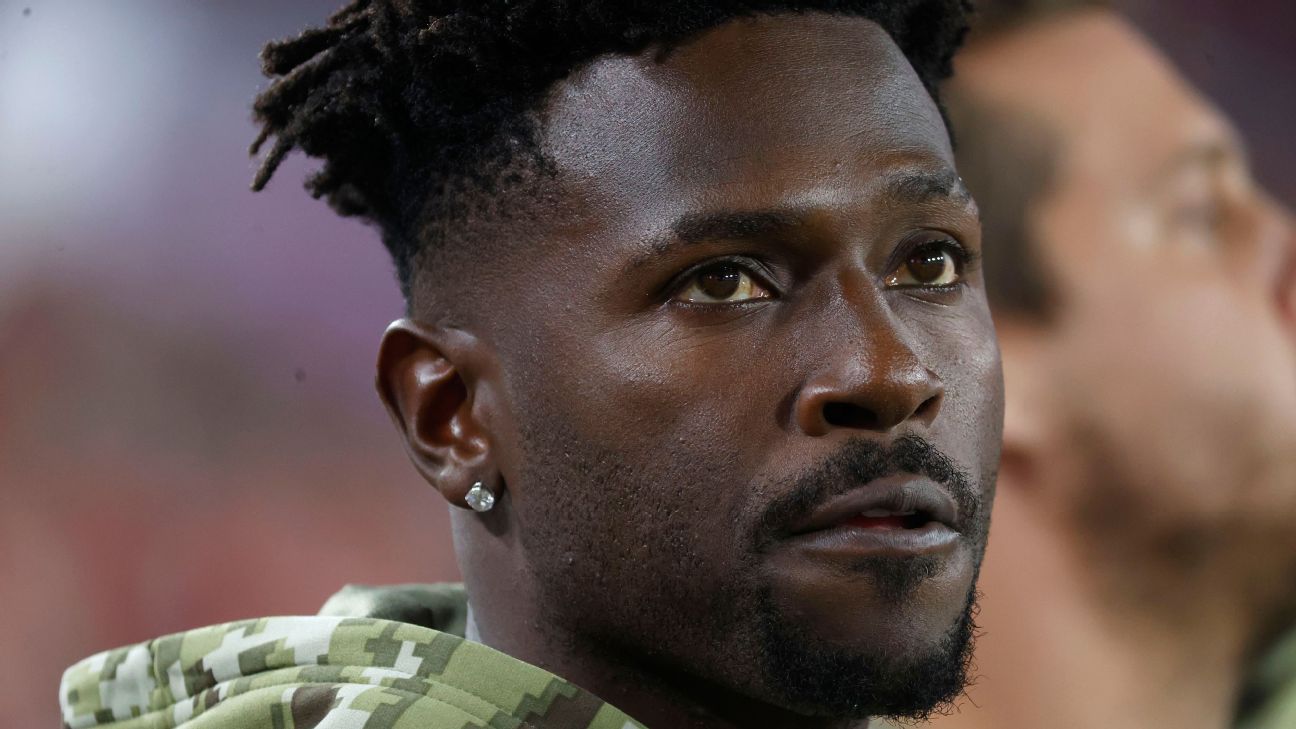
- Zul-Qarnain Kwame Nantambu has "forgiven" Antonio Brown and "does not wish to participate" in the prosecution, his lawyer Richard L. Cooper said Wednesday, citing Nantambu's devout Muslim faith as central to the decision while stressing forgiveness does not diminish the seriousness of the alleged shooting.
- Brown's attorney Mark Eiglarsh seized on the announcement to renew calls for dismissal, saying he hopes Florida drops the case and pointing to Brown's December 2025 motion under Florida's "stand your ground" law, which argues Brown fired two "warning shots" in self-defense after Nantambu allegedly attacked him first.
- Brown faces up to 30 years in prison with a mandatory minimum of 20 years under Florida law if convicted of second-degree attempted murder for the May 2025 gunfire outside an amateur boxing match in Miami's Little Haiti neighborhood.
- The accounts diverge sharply: prosecutors say Brown punched Nantambu, chased him down and shot at him at point-blank range; the stand your ground motion claims Nantambu attacked Brown first and Brown reasonably feared for his life, with Nantambu ultimately taking the weapon after a struggle.
- Brown fled to Dubai after the May 2025 incident and spent nearly six months there before U.S. marshals extradited him back to Miami in November, where he pleaded not guilty and was released on $25,000 bail with house arrest and a GPS ankle monitor.
- Eiglarsh told ESPN he does not expect the state to immediately drop the charges and said stand your ground hearing efforts have been stalled by delays in arranging depositions from key witnesses.
- Brown "forgives Mr. Nantambu" in return, his lawyer said, with Eiglarsh stating Brown "holds no hatred or resentment" toward the man he is accused of shooting.
Why it matters: Without the alleged victim's cooperation, prosecutors face a steeper path to a conviction carrying a 20-year mandatory minimum, and the forgiveness statement directly fuels Brown's stand-your-ground dismissal motion — though the prosecution's account of Brown chasing Nantambu and firing at point-blank range complicates the self-defense narrative and makes an immediate dismissal far from certain.
Ask SkimNews