‘The obsession with endless growth can only end in tears’: your questions on extreme weather this summer answered

Get the Energy newsletter
Daily energy & climate — solar, EVs, oil, the policy fights and tech bets shaping the transition. Free.
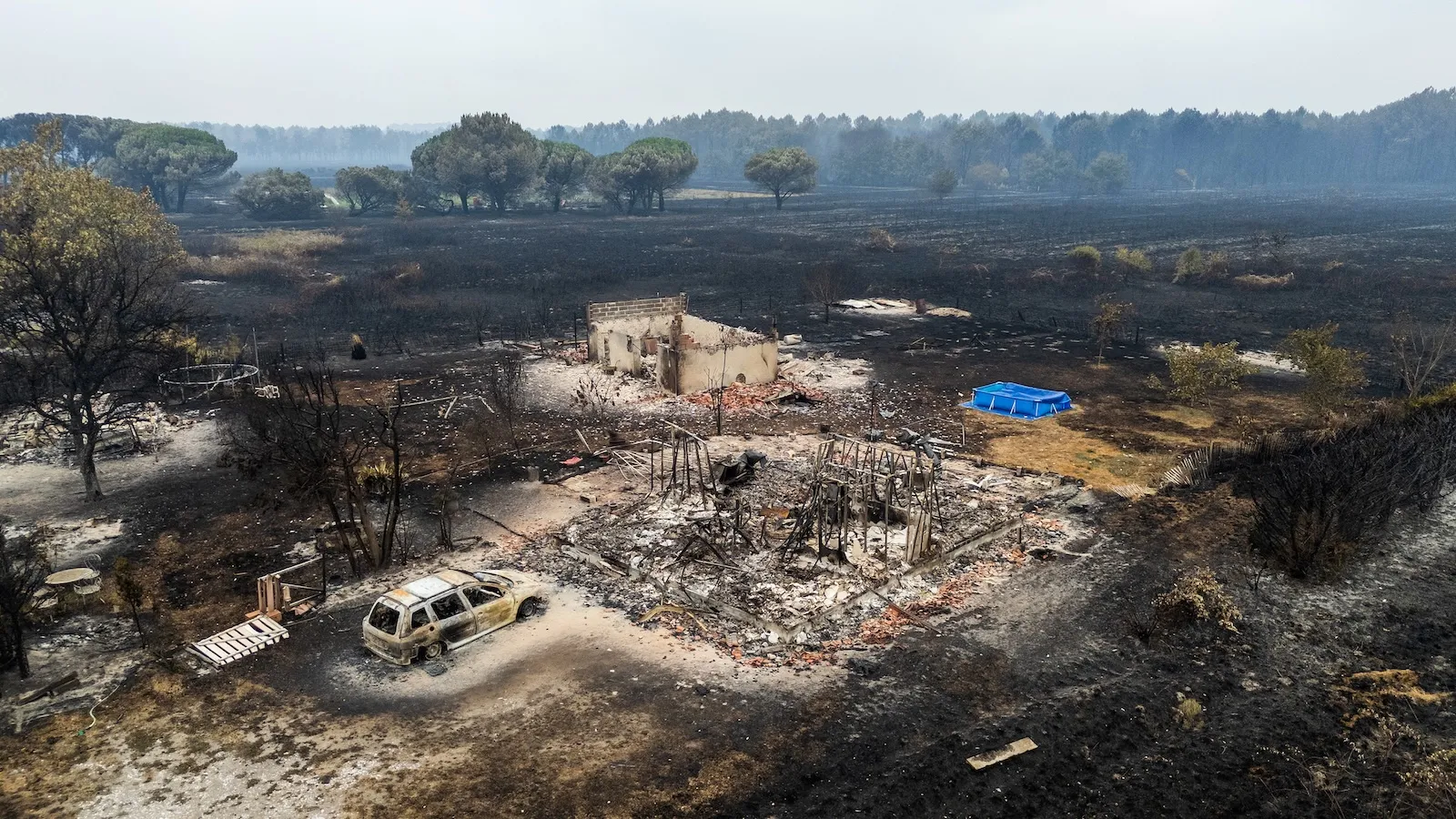
- Global heating made hot, dry, windy wildfire-stoking weather at least 20 times more likely in Spain and twice as likely in France, with EU officials warning fires could burn into early November in a record-breaking year.
- Wildfire smoke kills an estimated 1.5 million people globally per year, and the 2021 Canadian fire season alone killed more than 80,000 people — 20,000 of them in Europe from transatlantic smoke drift.
- Rapid attribution studies have found 40-70% of European heatwave deaths are caused by temperature increases from carbon pollution, though for floods and wildfires scientists struggle to separate climate's contribution from failures in building codes, evacuation planning, and firefighting budgets.
- Meat and dairy consumption accounts for 12-20% of planet-heating emissions, per Niranjan, who argues individual dietary choices retain meaningful leverage even if political action remains the priority.
- The 1.5°C Paris target looks "extremely likely" to be missed, though staying below 2°C remains "very much still possible" — current projections put the world on track for 2-3°C of warming by century's end.
- Jonathan Watts called the obsession with endless GDP growth on a finite planet something that "can only end in tears," citing Kate Raworth's Doughnut Economics and Bill McKibben's work, and advocating for "ecological regrowth" alongside economic degrowth.
Why it matters: This Q&A distills reader concerns about extreme weather into concrete attribution data: climate change made Spain's wildfires 20x and France's 2x more likely. Rapid studies attribute 40-70% of European heatwave deaths to carbon-driven temperature rises, putting today's disaster body counts in measurable terms rather than abstract projections.