UN Warns Oceans Under Severe Stress, Sea Level Rise — SkimNews
Get the Energy newsletter
Daily energy & climate — solar, EVs, oil, the policy fights and tech bets shaping the transition. Free.
- United Nations third World Ocean Assessment, compiled by nearly 600 scientists from 86 countries, found oceans under 'severe and accelerating' pressure from pollution, large-scale industrial fishing, and other cumulative human stressors.
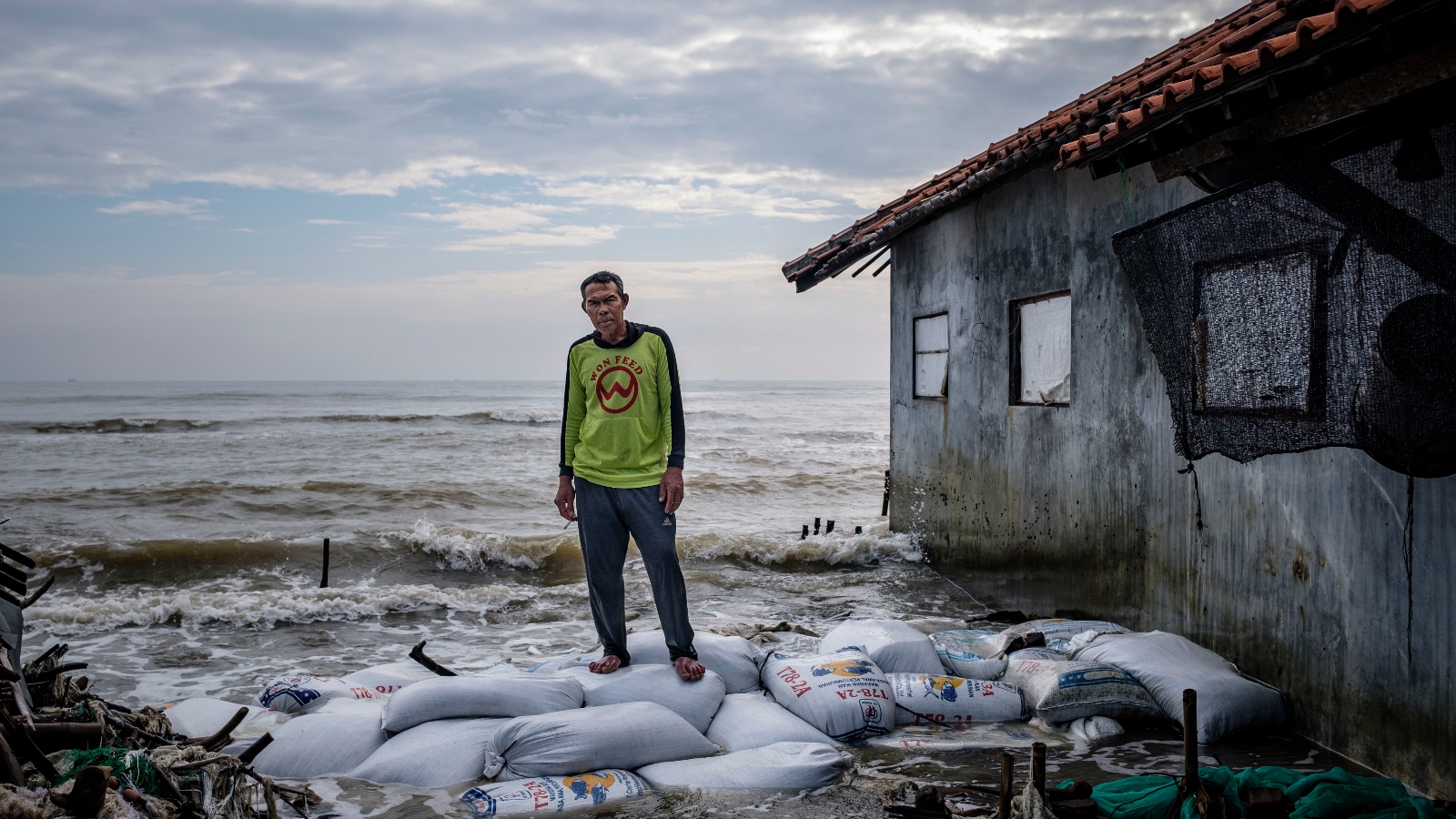
- Sea-level rise doubled from 2mm/year before 2015 to 4.3mm/year in 2023, and 16% of the increase in global ocean heat since 1955 occurred after 2018, with the greatest relative warming in the Atlantic and southern Indian and Pacific Oceans.
- The ocean has already absorbed 90% of the excess heat and 30% of the CO2 from fossil fuel burning, and ocean currents are shifting with climate consequences that remain 'poorly understood,' the report found.
- Plastic pollution totals 52.1 million tonnes entering the ocean annually, contributing to 24.4 trillion microplastic particles that affect more than 4,000 marine species.
- Only 27% of the ocean floor has been mapped by 2025, leaving deep-sea ecosystems 'poorly understood' even as pressures on them intensify.
- Fifty-seven ocean protection treaties — including the landmark high seas treaty that came into force this year — have improved governance, but it remains 'fragmented' across sectors and regions, the report concluded.
- António Guterres said 'we cannot keep treating the ocean as limitless,' while Greenpeace campaigner Lukas Meus called the findings an 'urgent wake-up call' and demanded fully protected ocean sanctuaries to meet the 30%-by-2030 protection target.
Why it matters: With over a third of the global population living within 100km of coasts and 11% on land under 10 metres above sea level, the doubling of the sea-level rise rate directly threatens billions of people — yet the report finds the very governance meant to respond remains 'fragmented,' and only 27% of the ocean floor has even been mapped, leaving policymakers flying partly blind on the deep-sea ecosystems most at risk from new extraction industries like deep-sea mining.
Ask SkimNews