Hopes of return to diplomacy as US-Iran hold fire for third day — SkimNews

Get the Geopolitics newsletter
Daily geopolitics — wars, elections, sanctions, the diplomatic moves that move markets. Free.
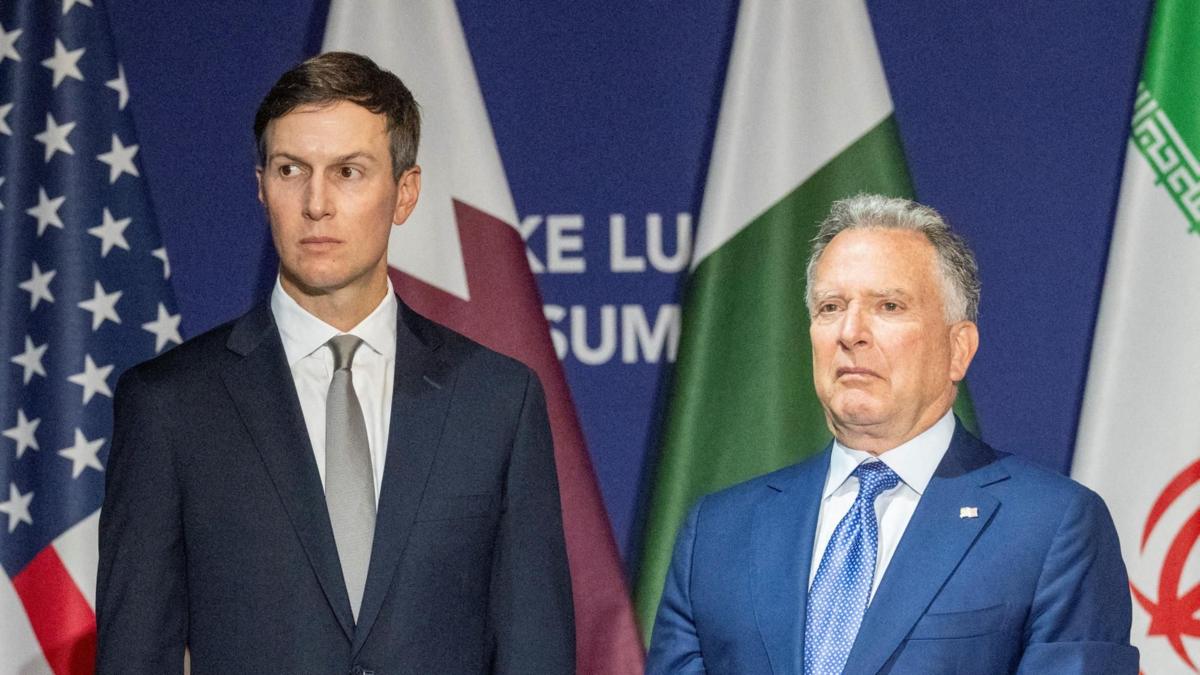
- Mediators from Qatar and Pakistan are working to bridge the gap between Washington and Tehran, with both sides maintaining a pause in hostilities for a third consecutive day, according to anonymous Middle East officials.
- Trump claimed Iran requested meetings 'through their surrogates and directly, and we're meeting,' telling reporters aboard Air Force One 'We are having good talks' — even as he reiterated threats if no agreement is reached.
- Iran's Foreign Ministry pushed back, with a spokesman insisting Tehran has not asked to resume peace talks and noting that 'mediators may convey messages to us from the American side' but that there are no direct negotiations.
- Iran-backed armed groups continued testing the pause with drone attacks on Saudi Arabia, Jordan and Iraq, attacks that have killed at least three US service members at a base in Jordan and one in Iraq.
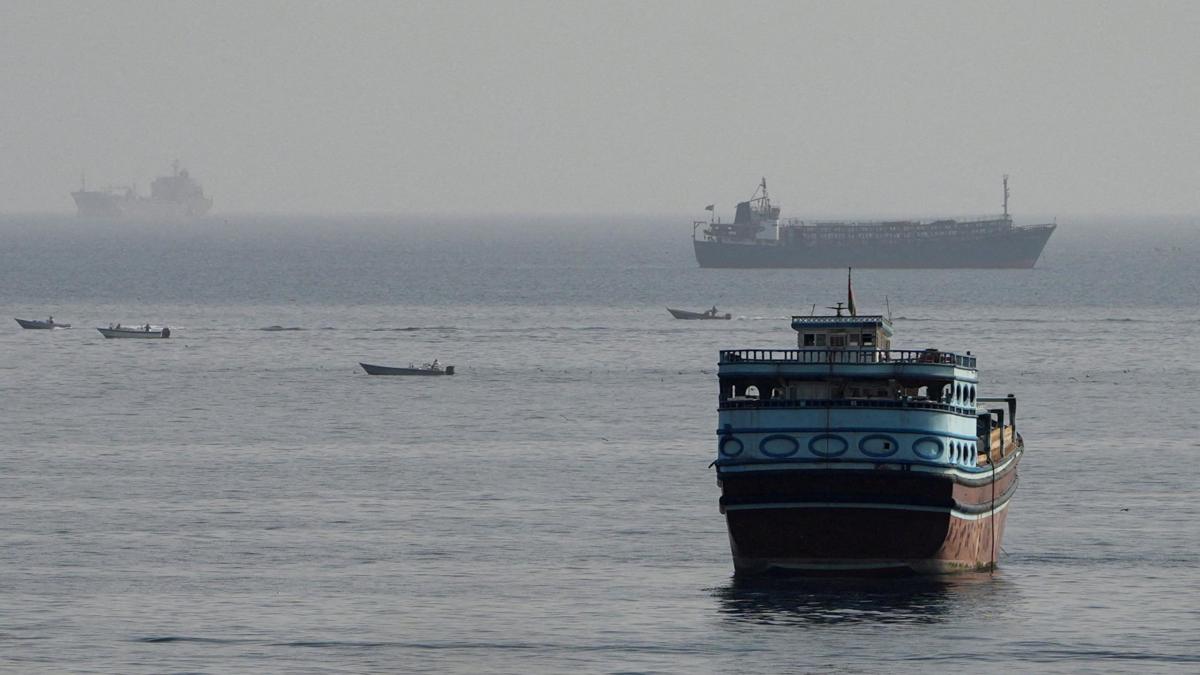
- The Strait of Hormuz emerged as the central sticking point to any durable accord, with Iran demanding ships transit a lane closer to its shores and insisting on a mandatory toll — a proposal Oman opposes in favor of a voluntary mechanism.
- CENTCOM redirected 17 commercial vessels, disabled two others and boarded two more to enforce the US naval blockade imposed after the collapse of the mid-June memorandum of understanding that had initially halted fighting.
- Washington revoked a waiver allowing Iranian oil sales following the MoU's collapse, escalating economic pressure on Tehran alongside the military blockade.
Why it matters: The three-day pause exposes a credibility gap that will determine whether talks materialize: Trump publicly claims 'good talks' while Iran's foreign ministry denies direct negotiations and Iran-backed proxies continue lethal attacks across three countries, killing four US service members. The Strait of Hormuz toll dispute between Iran and Oman — with Iran insisting on mandatory fees for a waterway carrying a large share of global oil shipments — remains the core obstacle to reviving the collapsed June MoU.
Ask SkimNews