WHO Urged to Prioritize Worker Health at May 18 Assembly
Get the Health newsletter
Daily health & science — research, biotech, public health, the studies worth knowing. Free.
- GOSH coalition leaders are urging delegates at the WHO's World Health Assembly in Geneva, starting May 18, to enshrine workplace health in the agency's strategic plans after years of neglect.
- Nearly 3 million people die from job-related causes annually, and a letter to WHO's director-general pegs the global economic toll at up to $3 trillion — roughly 6% of world GDP.
- Climate change is intensifying worker hazards, with about 100 million people now exposed to toxic conditions at critical mineral mines, alongside rising risks from extreme heat and wildfire smoke.
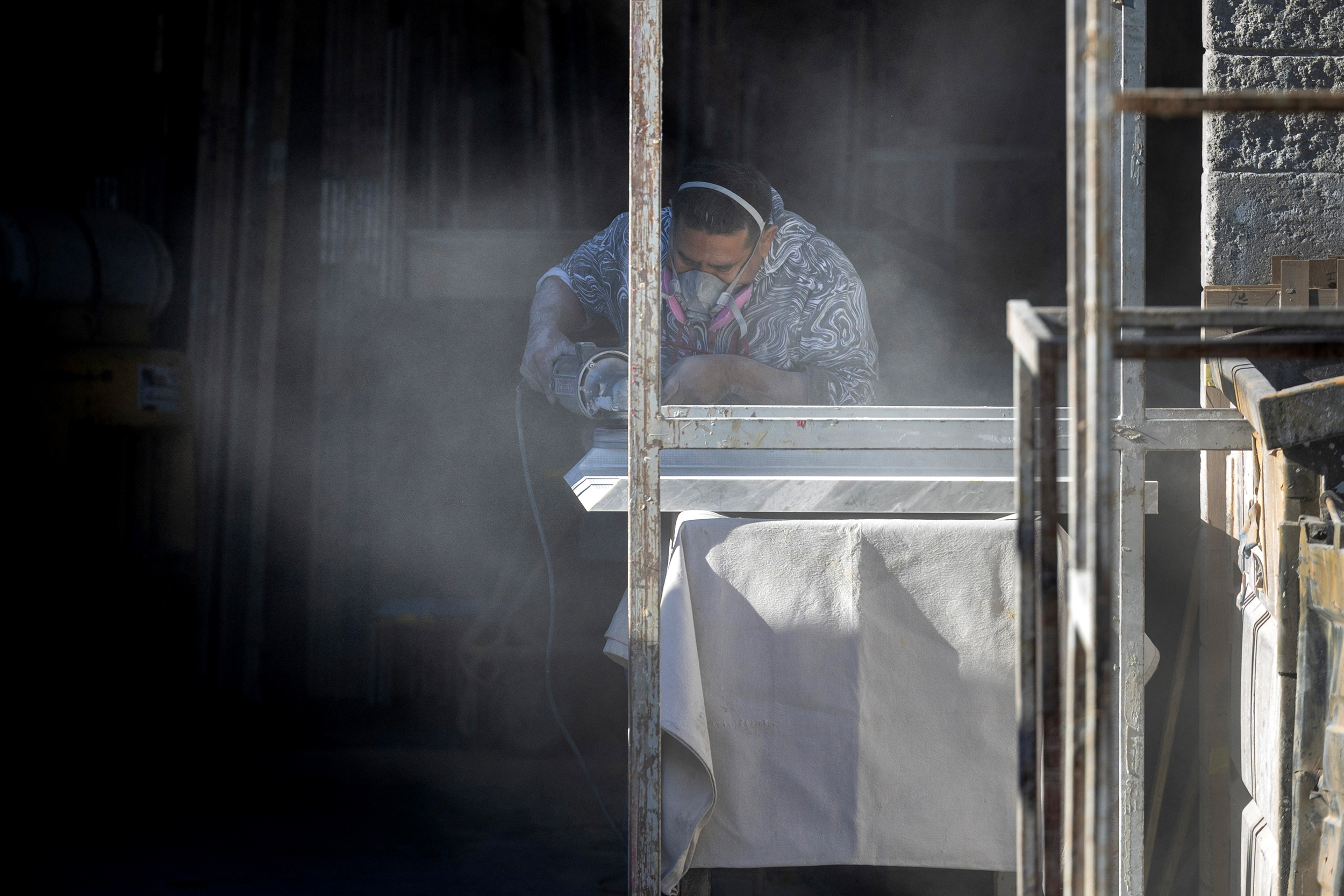
- An engineered-stone silicosis epidemic tied to a $26 billion global market is striking workers in their 30s with fatal lung disease; Australia has banned the product, while U.S. and other cases continue climbing.
- Nick Pahl of the GOSH coalition said occupational health was in the WHO's 2024–25 program priorities but "is not appearing now," blaming a budget crisis after the Trump administration pulled U.S. funding.
- The U.S. had supplied roughly 18% of the WHO's budget; the agency's 2026–2027 plan reflects a $700 million cut to core program funding, and the WHO declined to comment on the deprioritization.
Why it matters: With the May 18 assembly as the next decision point, the WHO faces a credibility test on whether it can lead global occupational standards while its largest donor (the U.S., ~18% of funding) has withdrawn and core budgets are down $700 million. If delegates don't reverse course, the burden falls to individual countries — and the $26 billion engineered-stone market already shows how unevenly those rules get written, leaving workers exposed to hazards the WHO once prioritized.
Ask SkimNews