Attacks on healthcare in conflict zones averaging more than four a day in 2026, World Health Organization says — SkimNews
Get the Geopolitics newsletter
Daily geopolitics — wars, elections, sanctions, the diplomatic moves that move markets. Free.
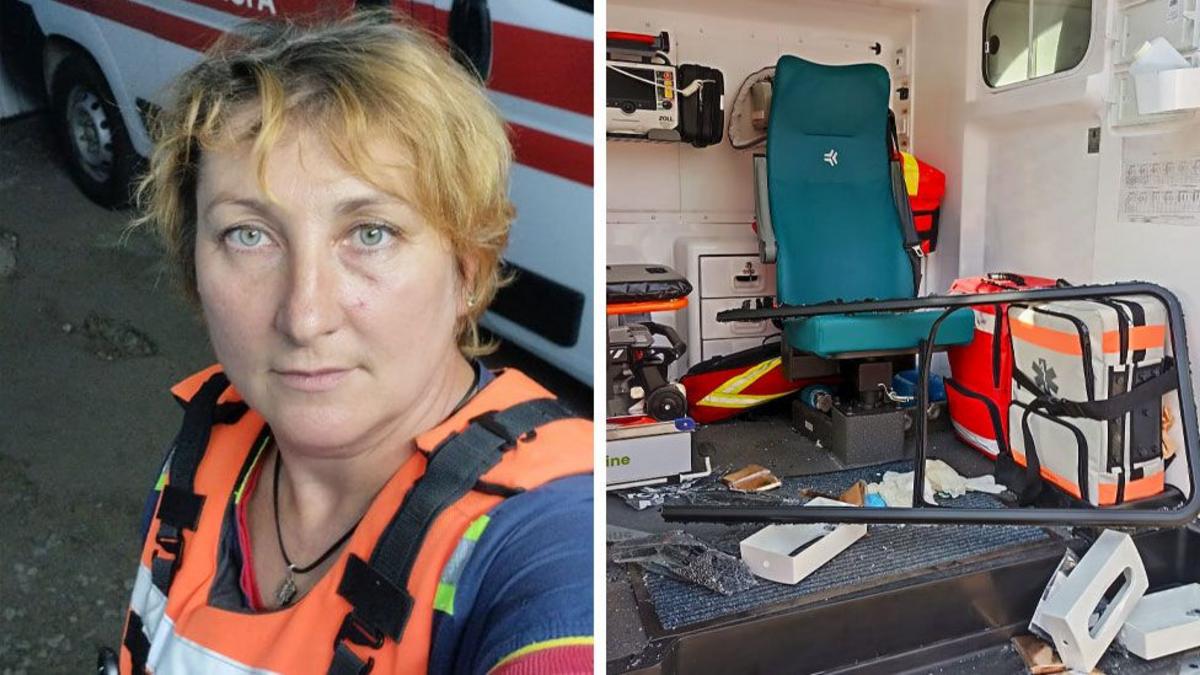
- World Health Organization reported more than 900 attacks on healthcare facilities, workers and patients between January and August 2026, averaging over four per day and causing at least 900 deaths and more than 1,400 injuries
- Ukraine, Lebanon and the occupied Palestinian territory account for the largest share of incidents, with attacks also recorded in Iran, Sudan, Myanmar, Syria, Nigeria and the Democratic Republic of Congo, according to WHO's Altaf Musani
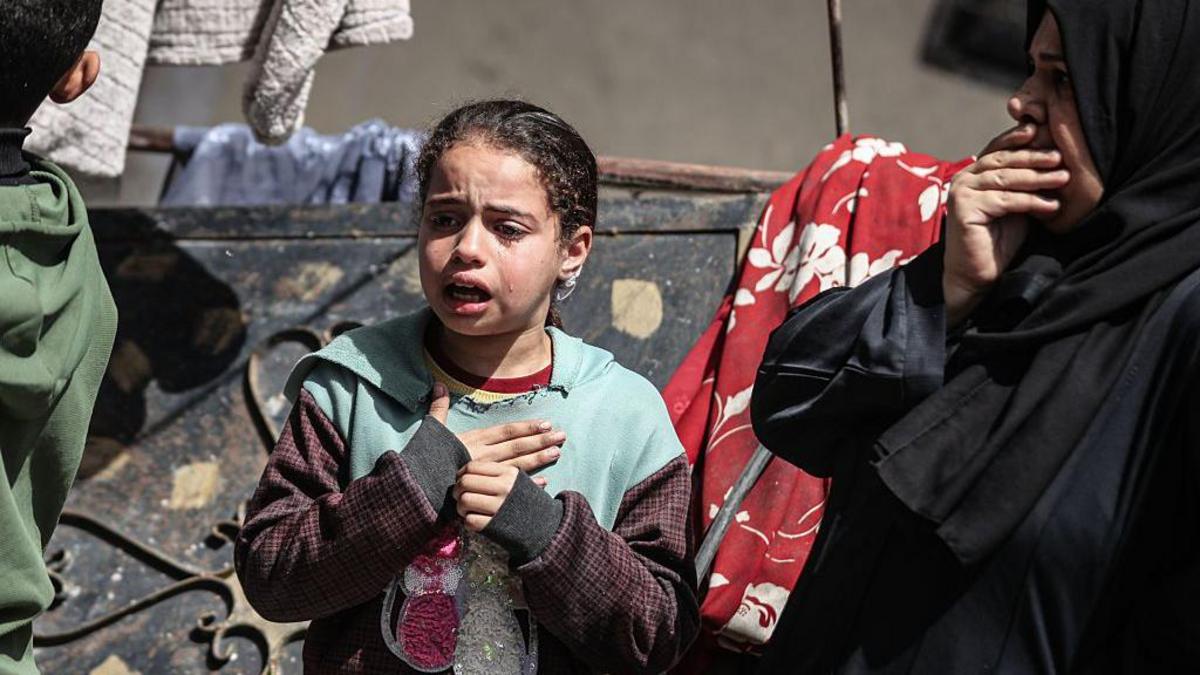
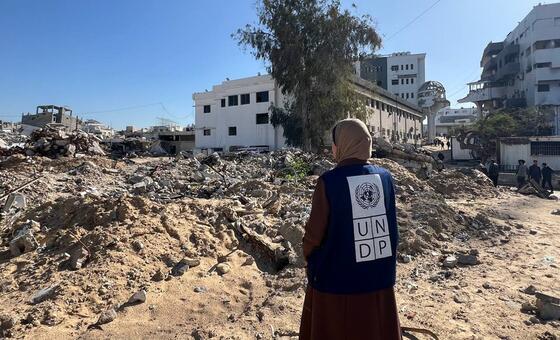
- Gaza's 36 hospitals have all been damaged, with only about half partially functional, while Sudan's health facilities are 37% non-functional in 2026, Musani stated
- Ukraine has logged 156 verified attacks so far in 2026, contributing to a cumulative 3,100 attacks since Russia's full-scale invasion, including a recent strike on a WHO warehouse
- DRC's 12 verified attacks on healthcare since an Ebola outbreak was declared in May have disrupted surveillance, contact tracing, treatment and community outreach efforts
- A WHO study of 69 attacks in northwest Syria found outpatient consultations dropped 51% immediately after an attack and stayed depressed for more than a month
- Since tracking began in 2018, WHO has verified more than 10,400 attacks across 29 countries, causing roughly 5,700 deaths and over 8,500 injuries — and not a single attack has entered an accountability process
Why it matters: Beyond the body count, the WHO's 2026 data shows that not one of more than 10,000 verified attacks on healthcare since 2018 has entered an accountability process, meaning the international humanitarian law protections for medical facilities remain unenforced even as the pace of attacks accelerates to an average of more than four per day.
Ask SkimNews