‘Teenage Sex and Death at Camp Miasma’ Is a Horror Fan’s Hot Fever Dream — SkimNews

Get the Culture newsletter
Daily culture — film, music, books, the trends and ideas worth your attention. Free.
- Jane Schoenbrun directed 'Teenage Sex and Death at Camp Miasma,' constructing an entire fictional 1980s slasher franchise — including a killer named "Little Death" who wears a ceiling vent on their head and wields a double-tipped spear, plus fictional tie-ins like a Little Death action figure, arcade game, Halloween costumes, trading cards, and rap album.
- Hannah Einbinder stars as Kris, a young queer filmmaker hired to resurrect the "zombie I.P.," while Gillian Anderson plays Billy Preston, the reclusive original star who has spent over a decade in a Norma Desmond phase at Camp Tivoli in rural Portland, Oregon — the abandoned location where the original films were shot.
- Sarah Sherman plays Billy's agent pushing for a cameo, Jack Haven (from 'I Saw the TV Glow') plays Little Death in a recreated original film, and Zach Cherry and Eva Victor are among the camp victim cast.
- A massacre sequence is scored to Counting Crows' "Long December," with decapitations timed to Adam Duritz crooning "Hollywood" — a needle drop the reviewer flags as matching Little Death's initials (L.D.).
- The film's opening credits trace the entire life cycle of an intellectual property: backlash over Little Death being a "traumatized, gender-fluid teen" being read as transphobic through a 21st-century lens, followed by a reappraisal arc and resurrection as nostalgia-bait reboot fodder.
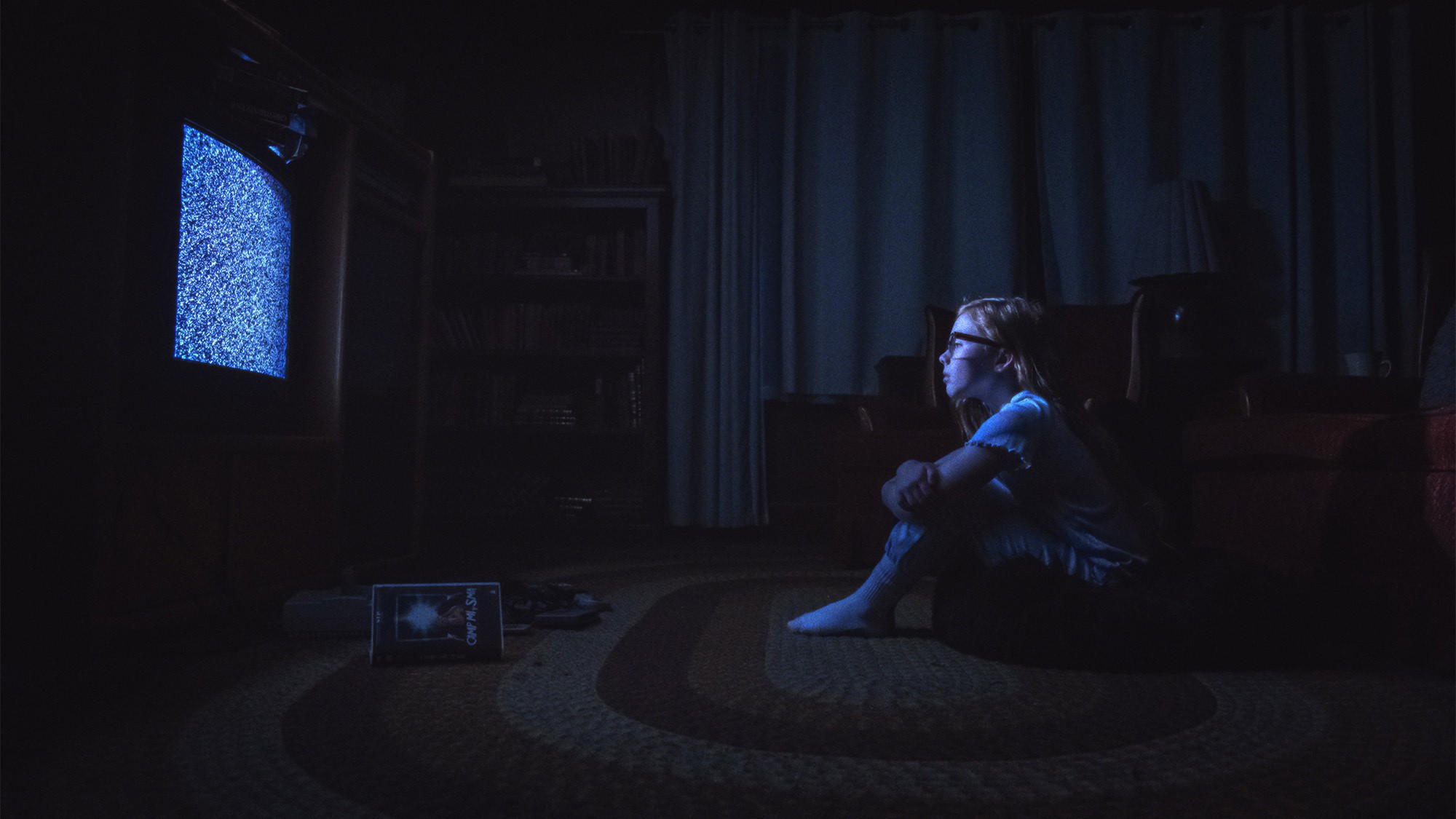
- Schoenbrun's film cites The Shining, Videodrome, and Friday the 13th's famous spear sequence, positioned as a tonal follow-up to 'I Saw the TV Glow' that swaps 1990s Buffy-era network programming for 1980s pulp slashers as the formative media shaping identity and desire.
- Anderson makes a three-course meal of the phrase "dipping sauces," with junk food and brand-name candy functioning as aphrodisiacs and stand-ins for the illicit thrill of "bad" genre cinema — culminating in the source reading the film as 'making a case that "guilty pleasures" deserve equal billing.'
Why it matters: Schoenbrun's follow-up to the critically acclaimed 'I Saw the TV Glow' trades suburban TV-watching melancholy for explicit grindhouse camp, with Anderson's Norma Desmond-esque casting signaling a pivot toward genre iconography over realism. The source argues the film stakes a personal claim: that trans and queer viewers' formative bonds with disreputable horror aren't shameful artifacts but erotic, identity-shaping ones — recasting 'guilty' pleasures as liberating ones through a trans filmmaker's lens.
Ask SkimNews