Hegseth Grilled on $25B Iran War Cost — SkimNews

Get the Geopolitics newsletter
Daily geopolitics — wars, elections, sanctions, the diplomatic moves that move markets. Free.
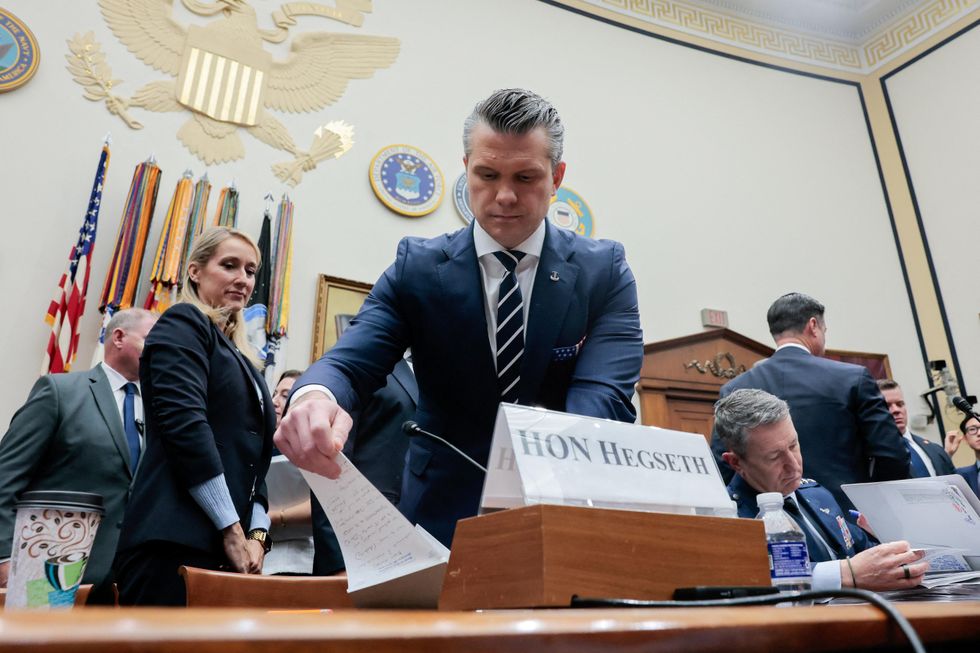
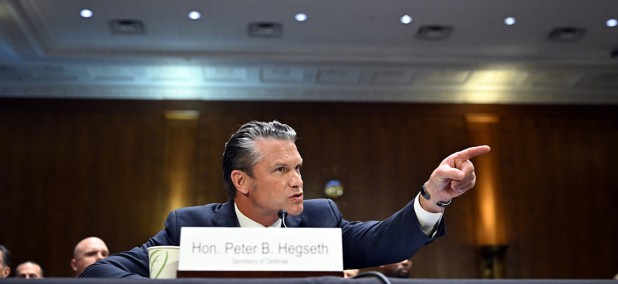
- Hegseth faced 'withering' Democratic questioning at the House Armed Services Committee on April 29 — his first congressional appearance since the Trump administration went to war in Iran — and the hearing was dominated by the conflict despite being nominally about the 2027 military budget
- Jules Hurst III, the acting undersecretary of war for finances, disclosed that the war has cost $25 billion US so far, most of it on munitions, an answer Democrats said had been 'elusive to date'
- Hegseth stunned Rep. Adam Smith by asserting Iran's nuclear facilities were 'obliterated' in a 2025 U.S. attack, prompting Smith to ask why the war was launched less than a year later if the nuclear threat was already eliminated
- The U.S. and Israel launched the war on Feb. 28 without congressional approval, and a 60-day War Powers Act deadline passes Friday, after which the president needs congressional authorization to continue the conflict
- Iran's closure of the Strait of Hormuz has sent U.S. fuel prices 'skyrocketing,' and Trump is unlikely to accept Tehran's latest offer to reopen the waterway, leaving the two sides in a stalemate ahead of November midterms
- IAEA director general Rafael Grossi told The Associated Press that the majority of Iran's highly enriched uranium is likely still stored at the Isfahan nuclear complex, where inspections ended when Israel launched its 12-day war last June
- Rep. John Garamendi accused Hegseth of lying to the American public 'from day one,' calling the war 'a geopolitical calamity,' a 'strategic blunder,' and a 'self-inflicted wound to America'
Why it matters: A 60-day War Powers Act deadline expires Friday, forcing a congressional vote on whether to authorize a $25 billion war launched without legislative approval, and Hegseth's own admission that Iran's nuclear facilities were already 'obliterated' gives Democrats ammunition to argue the conflict is unjustified — a politically toxic argument for Republicans heading into November midterms as gas prices rise from Iran's Strait of Hormuz closure.
Ask SkimNews