Aging Men Losing Y Chromosome Face Higher Disease Risk — SkimNews
Get the Health newsletter
Daily health & science — research, biotech, public health, the studies worth knowing. Free.
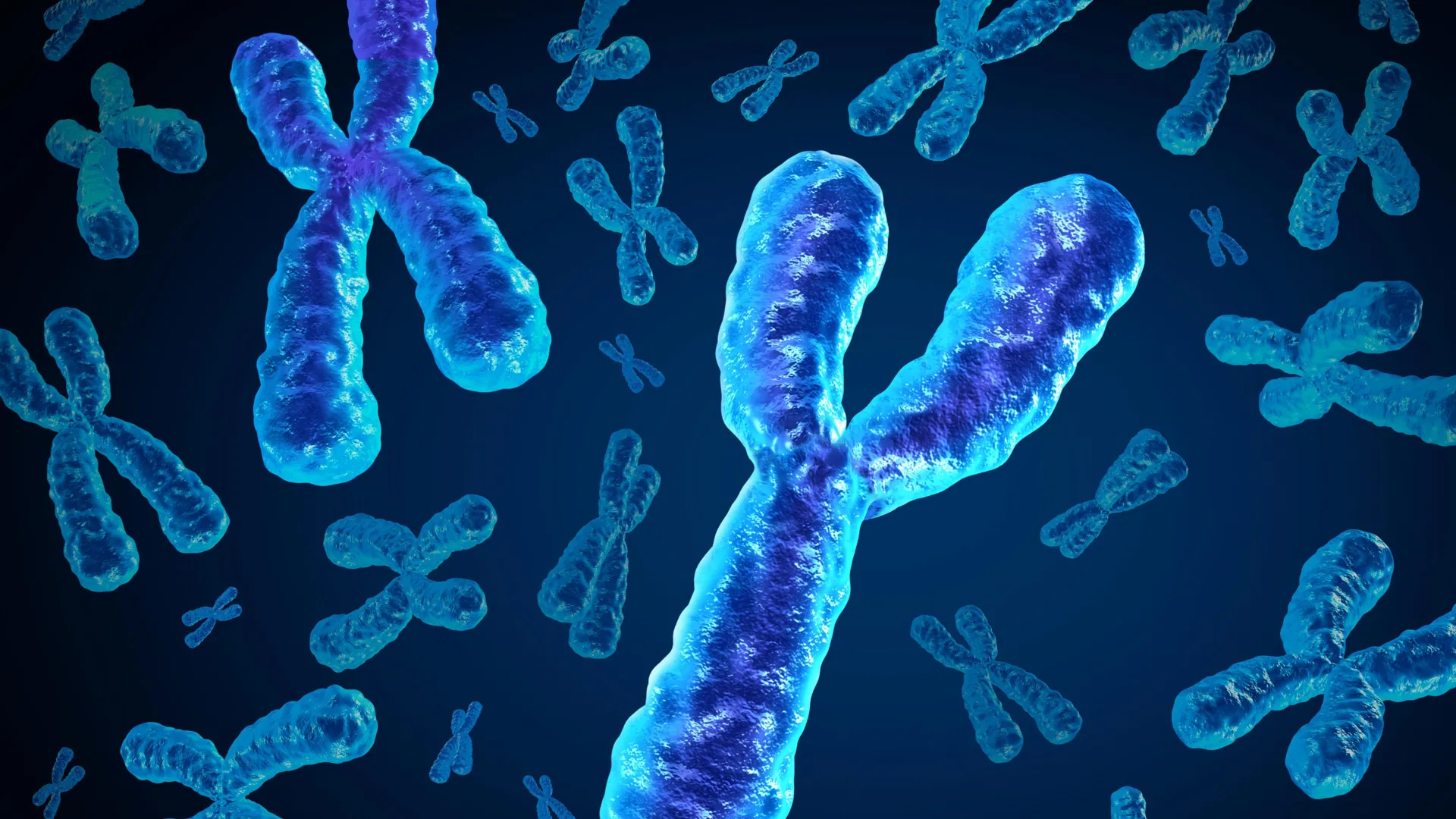
- Y chromosome loss increases sharply with age: 40% of 60-year-old men show it, rising to 57% of 90-year-olds, with smoking and carcinogen exposure cited as accelerators.
- A large German study found men over 60 with high Y-loss frequency had increased heart attack risk; separate research ties loss of Y to kidney disease and higher death rates from COVID.
- Alzheimer's patients show a tenfold higher frequency of Y chromosome loss, per the article, which also suggests the loss may help explain the male-fatality gap in COVID.
- A mouse transplant study showed Y-deficient blood cells triggered age-related pathologies including poorer cardiac function and subsequent heart failure — the strongest direct-causation evidence cited.
- Loss of Y in cancer cells appears to directly drive malignancy, with eye melanoma — disproportionately a male cancer — flagged as a likely example in the piece.
- About one-third of Y-loss frequency is genetic, with genome-wide studies identifying 150 genes involved in cell cycle regulation and cancer susceptibility.
- The Y's 51 protein-coding genes include cancer suppressors with X-chromosome counterparts; losing the second copy in Y-less cells may dysregulate gene expression across the genome.
Why it matters: The associations with heart attacks, Alzheimer's, and cancer elevate Y loss from a curiosity to a candidate biomarker for male aging risk — though causation in humans remains unproven and the Y's full gene map was only sequenced a couple of years ago, leaving the mechanism wide open for follow-up research.
Ask SkimNews