Schneider launches 48A EV charger that skips panel upgrades — SkimNews
Get the Energy newsletter
Daily energy & climate — solar, EVs, oil, the policy fights and tech bets shaping the transition. Free.
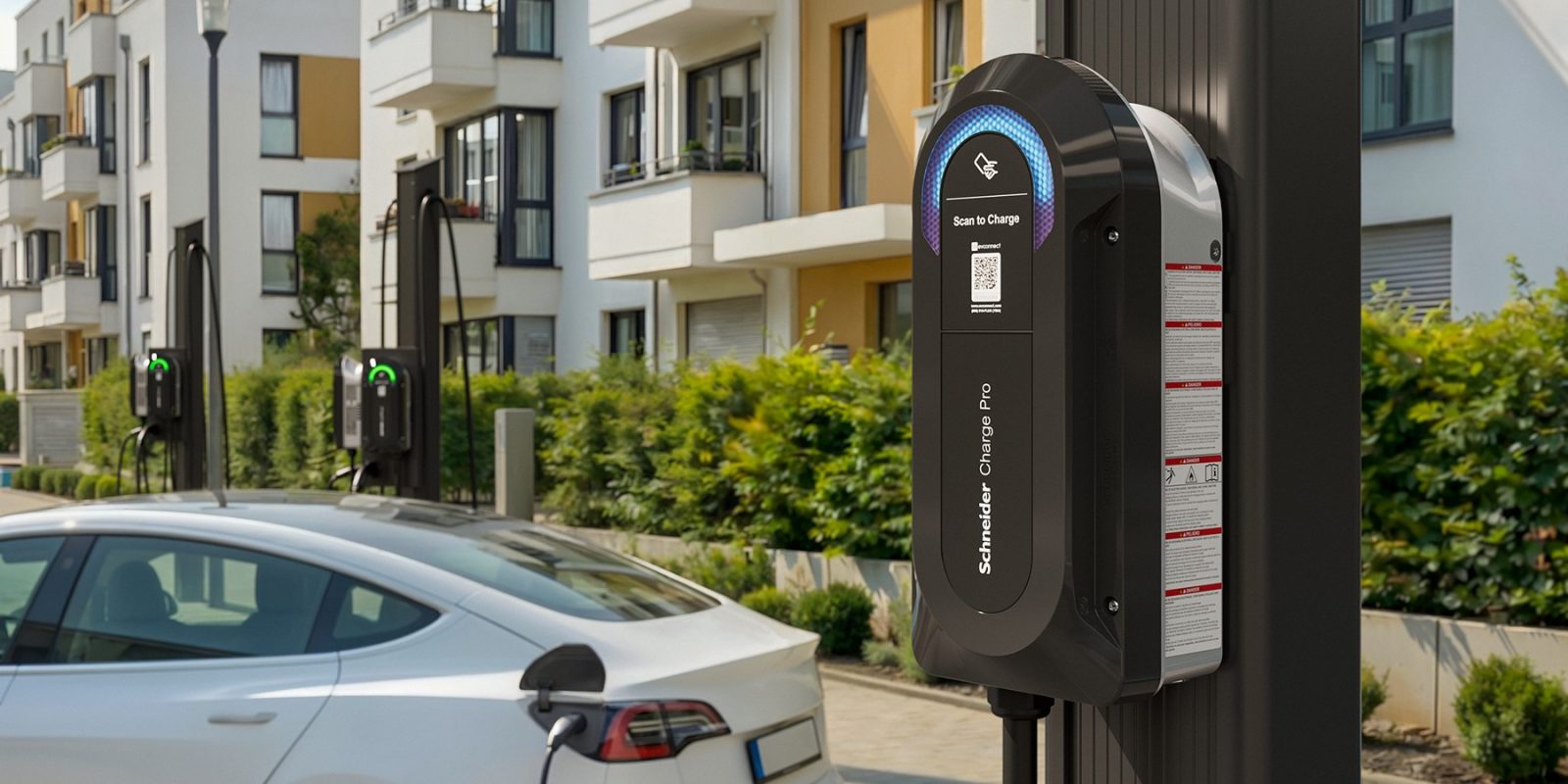
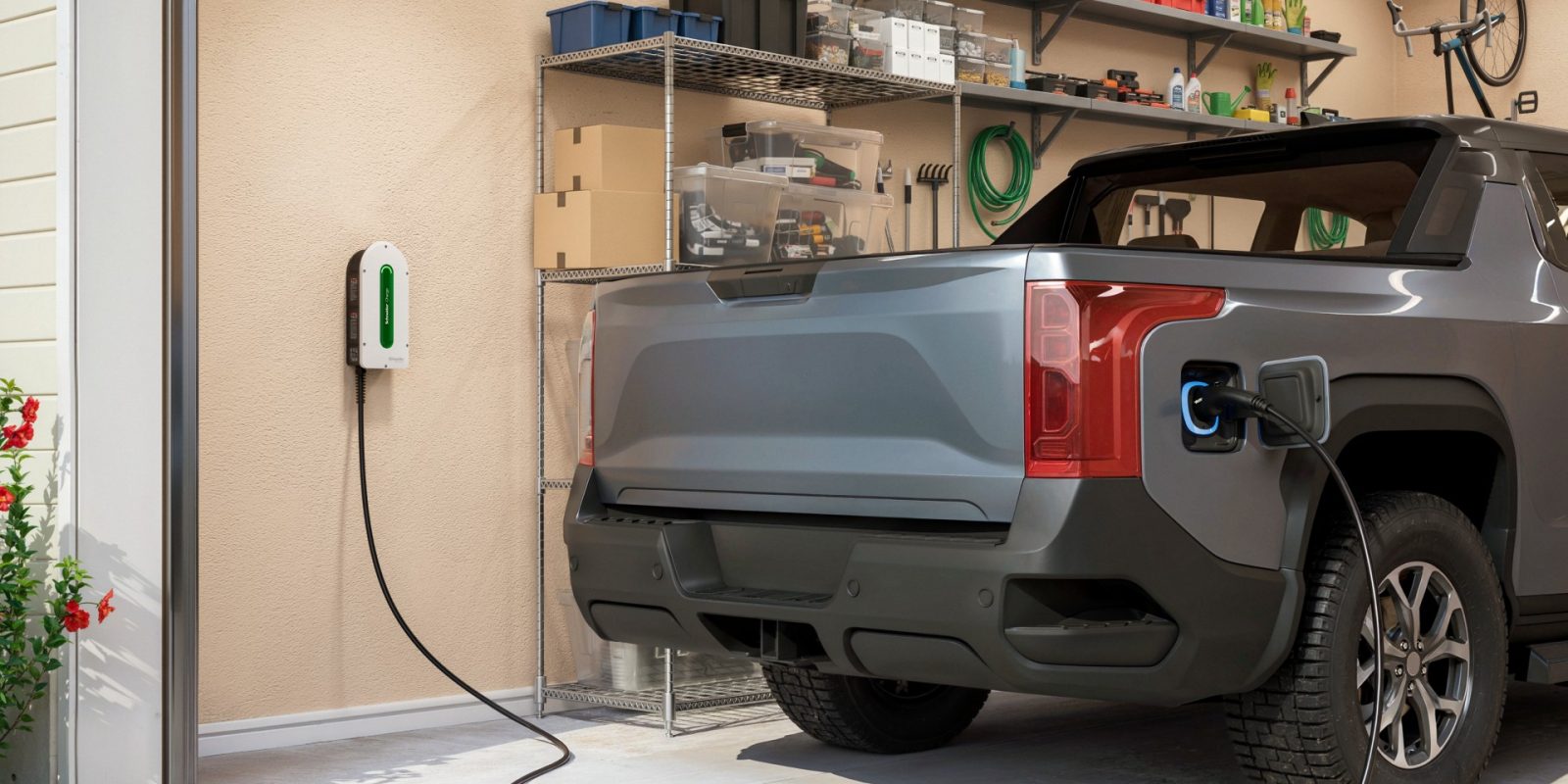
- Schneider Electric launched the Schneider Charge, a 48-amp home EV charger with dynamic load management that monitors household electricity use and throttles charging speed to avoid exceeding the home's existing electrical capacity — potentially eliminating the need for a panel or service upgrade that can cost $2,000 to $6,500.
- The charger's SmartAmp system uses installed current transformers to measure real-time household load, automatically reducing EV charging speed when other large appliances (dryers, ovens) draw power and ramping back up when household demand drops; the load-management feature continues working even if home wifi goes down.
- Schneider Charge delivers up to 11.5 kW at 48 amps, includes a 25-foot cable, and is available with either a J1772 or NACS connector; the initial model is hardwired, with a plug-in version planned for early 2027.
- The system is certified under UL 3141, a power-control equipment standard that UL Solutions says can serve as a less expensive alternative to panel or utility-service upgrades — though acceptance still depends on local code authorities and an electrician's assessment of the home's wiring and service capacity.
- The Schneider Charge app provides real-time charging controls and off-peak scheduling, and the charger supports OCPP 1.6 to enable future utility and grid-service programs, though no programs were announced at launch.
- Schneider is partnering with home electrification installer Qmerit for installation support; the charger is now available in the US and Canada through authorized distributors and Schneider's online marketplace, though pricing has not been disclosed.
Why it matters: The $2,000–$6,500 electrical panel or service upgrade has been one of the most significant hidden costs blocking EV adoption for homeowners with older or lower-capacity electrical service. By using UL 3141-certified dynamic load management instead of dedicated high-amperage circuits, Schneider's approach could make Level 2 home charging accessible to a large slice of households that would otherwise face a major retrofit bill before they could plug in.
Ask SkimNews