AI Detects Early Alzheimer's from Brain Scans at 93% — SkimNews

Get the Health newsletter
Daily health & science — research, biotech, public health, the studies worth knowing. Free.
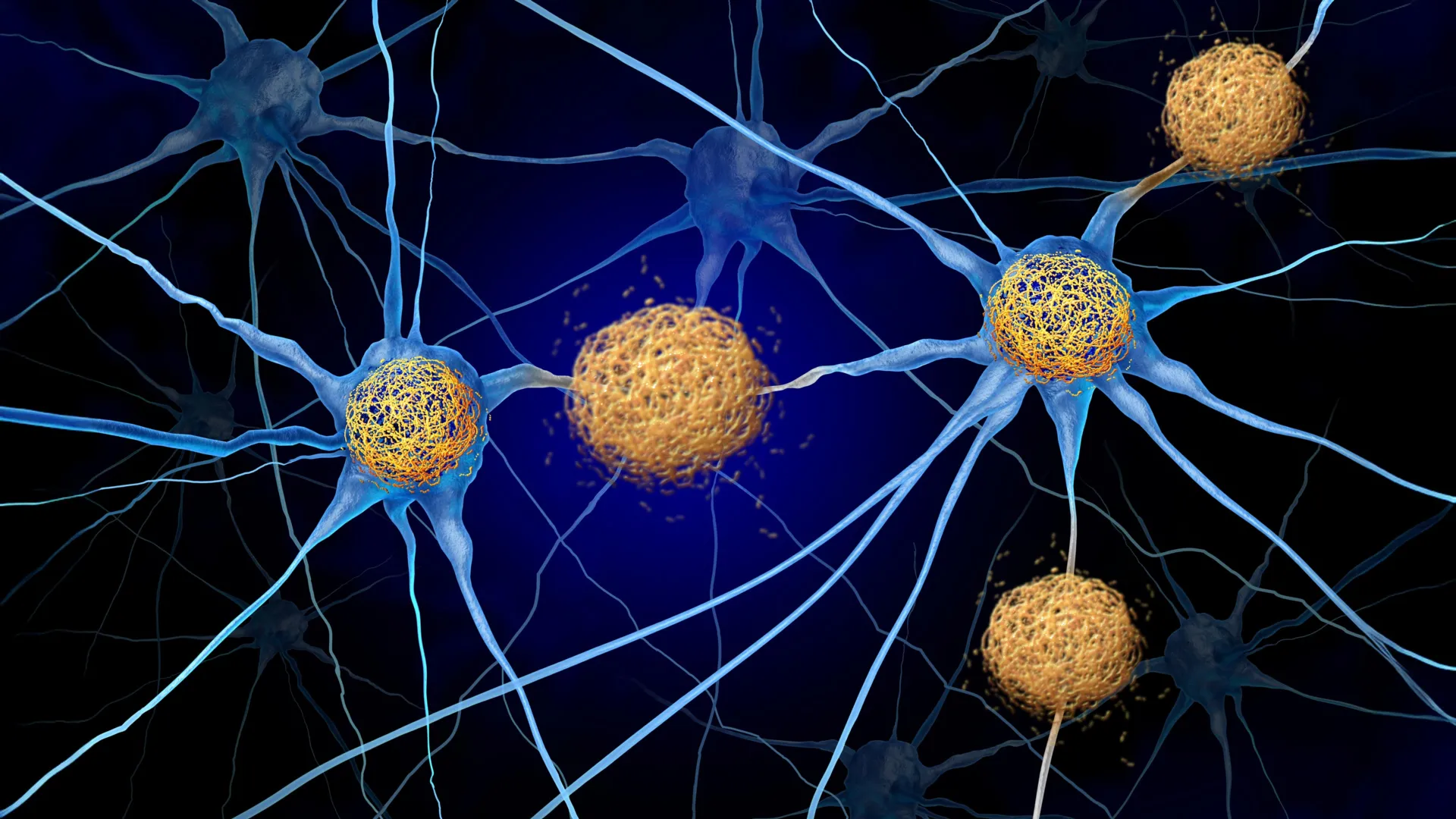
- Researchers in Massachusetts report AI can detect signs of Alzheimer's disease in its earliest stages, when symptoms may go unnoticed but newer drugs can modestly slow progression, achieving 93% accuracy according to the report's headline finding
- Multiple studies cited in the report show that 90% of people in the earliest phase of Alzheimer's — called mild cognitive impairment — go undiagnosed in the United States
- Dr. Lidia Moura, director of population health in the neurology department at Mass General Brigham, said the biggest opportunity to improve Alzheimer's care isn't a new drug but noticing the earliest signs sooner
- Newer Alzheimer's drugs can modestly slow disease progression, making the early-detection window a narrow but consequential one for treatment efficacy
- Mass General Brigham's neurology department is positioning earlier AI-assisted diagnosis as a significant step forward in fighting the memory-robbing disease, per the report
Why it matters: With 90% of mild cognitive impairment cases going undiagnosed in the US, AI-based screening that catches the disease before obvious symptoms could funnel more patients into treatment during the narrow window when newer drugs can still modestly slow progression. Dr. Moura frames this diagnostic gap — not pharmaceutical innovation — as the biggest near-term lever in Alzheimer's care.
Ask SkimNews