Robotaxis drive miles just to get cleaned and charged; this new startup wants to fix that — SkimNews

Get the Tech newsletter
Daily tech — startups, AI labs, chips, the launches that shape the next decade. Free.
- Aseon Labs raised $10 million in seed funding led by Crane Venture Partners, with Y Combinator, Expa (Garrett Camp), Robin Hood Ventures, Founders Capital, and angels including former Google executive Adrian Aoun, Mercury CEO Immad Akhund, Zimride co-founder Rajat Suri, and operators from Anthropic, Nuro, Turo, and Revolut participating.
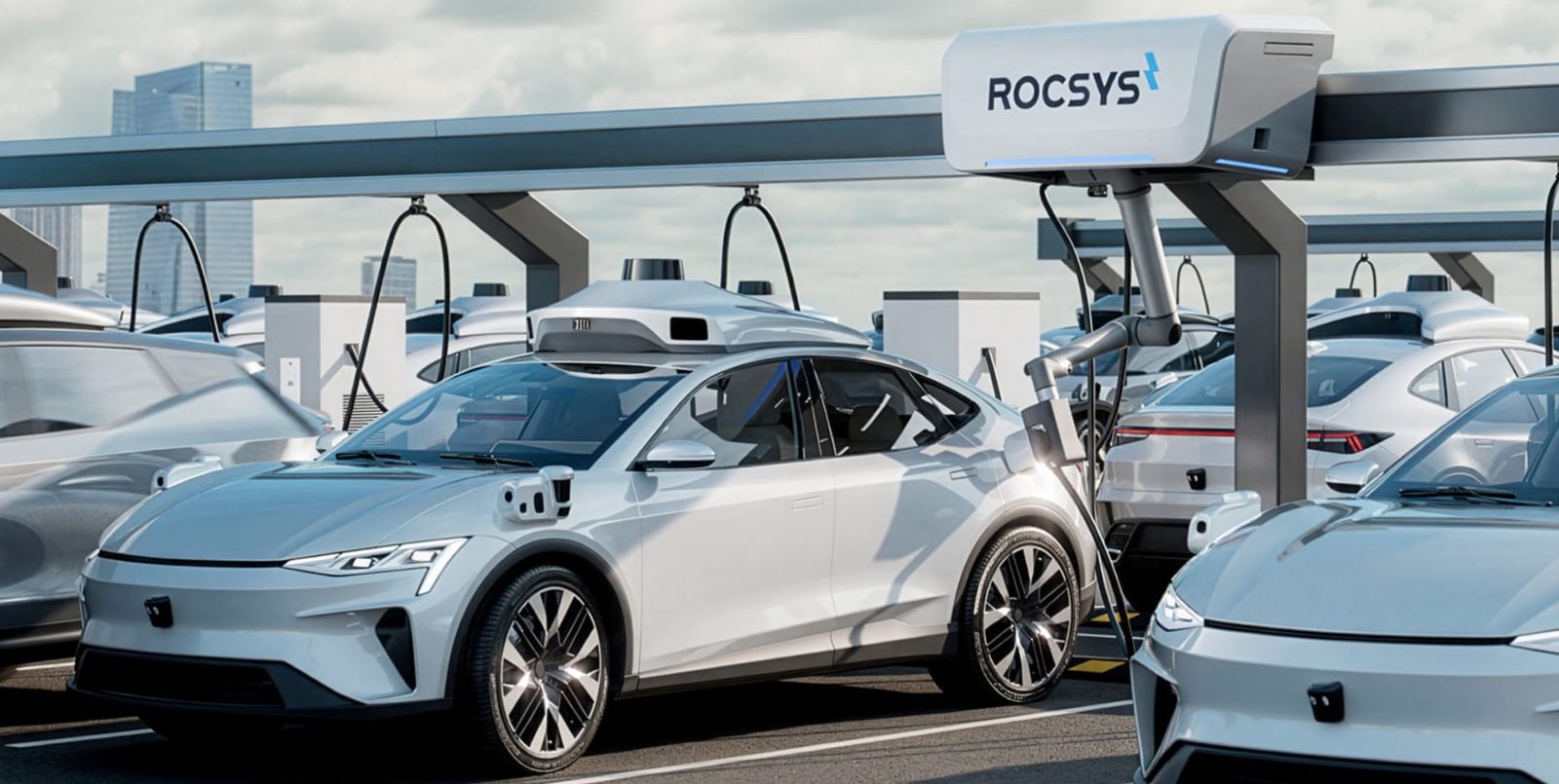
- Aseon Labs is building parking-space-sized autonomous pods equipped with cameras and robotic arms to inspect, clean, and charge robotaxis on city streets, targeting the "deadhead miles" — industry jargon for miles driven without a paying passenger — that erode operator margins.
- Co-founders George Kalligeros (CEO) and Dan Keene (COO) previously built Pushme, a battery-swapping infrastructure company acquired by Tier Mobility in January 2020, and say they are applying the same distributed-network playbook to autonomous vehicles.
- The pods are classified as temporary structures, letting Aseon Labs skip lengthy permitting and relocate underperforming units, and can run on propane generators or draw power through partnerships with EV charging networks.
- Aseon Labs uses vision-language-action AI models so pods recognize problems they should not try to fix — for instance, the robotic arm stands down on a melted-chocolate stain and dispatches the car to a human-staffed depot instead.
- The $10 million seed will fund five pod prototypes and expand Aseon Labs' six-person robotics and engineering team to roughly a dozen, though the company has not yet signed contracts with any robotaxi operator.
Why it matters: Robotaxi fleets must currently drive empty miles back to centralized depots for cleaning and charging, and Kalligeros says that cost forces AV operators to subsidize rides. Aseon Labs' $10M seed round targets the specific line item Kalligeros identifies as "the operational backbone of autonomy" — depot infrastructure he calls "not fully baked" — and offers a distributed alternative that could let self-driving services reach "economic parity with ride-hailing."
Ask SkimNews