Major review finds vaping likely causes lung and oral cancer — SkimNews

Get the Health newsletter
Daily health & science — research, biotech, public health, the studies worth knowing. Free.
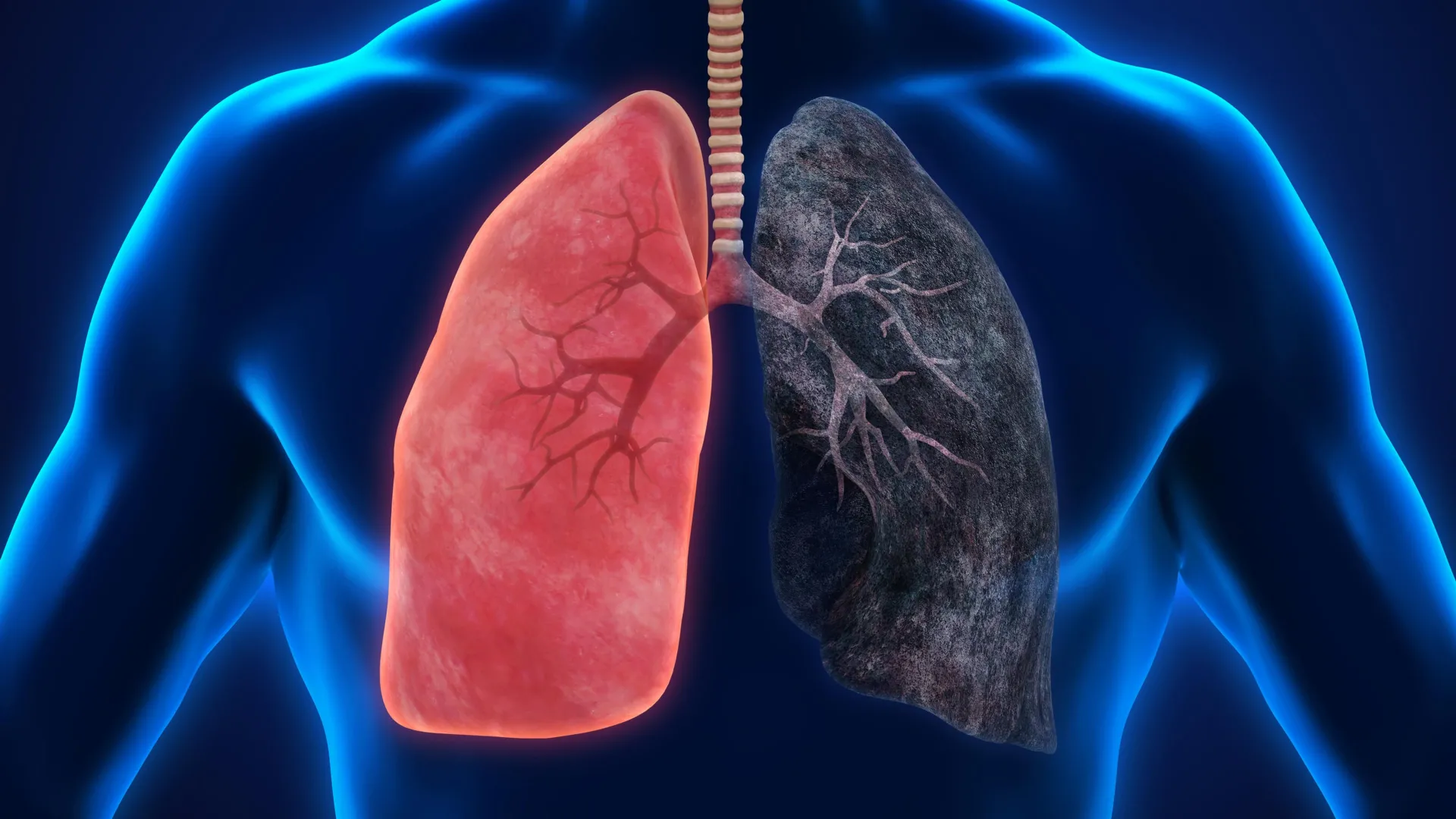
- UNSW Sydney researchers led a comprehensive review concluding nicotine-based e-cigarettes are likely to cause lung and oral cancers, published in the journal Carcinogenesis and combining clinical, animal, and mechanistic evidence.
- The review identified carcinogenic substances in e-cigarette aerosols — including volatile organic compounds and metals released by heating coils — alongside biomarkers in humans showing DNA damage, oxidative stress, and tissue inflammation, and mouse studies that produced lung tumors.
- Prof. Bernard W Stewart called the work "the most definitive determination that those who vape are at increased risk of cancer," while stressing the assessment is qualitative with no numerical risk estimate until longer-term studies are completed.
- Co-author A/Prof. Freddy Sitas cited US epidemiological evidence that people who both vape and smoke face a four-fold increased risk of lung cancer, noting most smokers who switch to vaping end up in "dual-use limbo."
- The research team drew on specialists from the University of Queensland, Flinders University, the University of Sydney, Royal North Shore Hospital, The Prince Charles Hospital, and Sunshine Coast University Hospital across pharmacy, epidemiology, thoracic surgery, and public health.
- Researchers warned against repeating tobacco's timeline — it took from mid-1800s observations until the 1964 US Surgeon General's report to officially link smoking to lung cancer — and noted e-cigarettes were introduced about 20 years ago.
Why it matters: The review repositions e-cigarettes from a debated smoking-cessation tool with unknown long-term risk to a probable direct carcinogen, consolidating biomarker, animal, and lab evidence for the first time. With roughly two decades of vaping history and Australian rules tightened in 2023, regulators now face pressure to act before the multi-decade human studies mirror tobacco's century of delay.
Ask SkimNews