Taiwan F-16Vs buy time, not wartime survival — SkimNews

Get the Geopolitics newsletter
Daily geopolitics — wars, elections, sanctions, the diplomatic moves that move markets. Free.
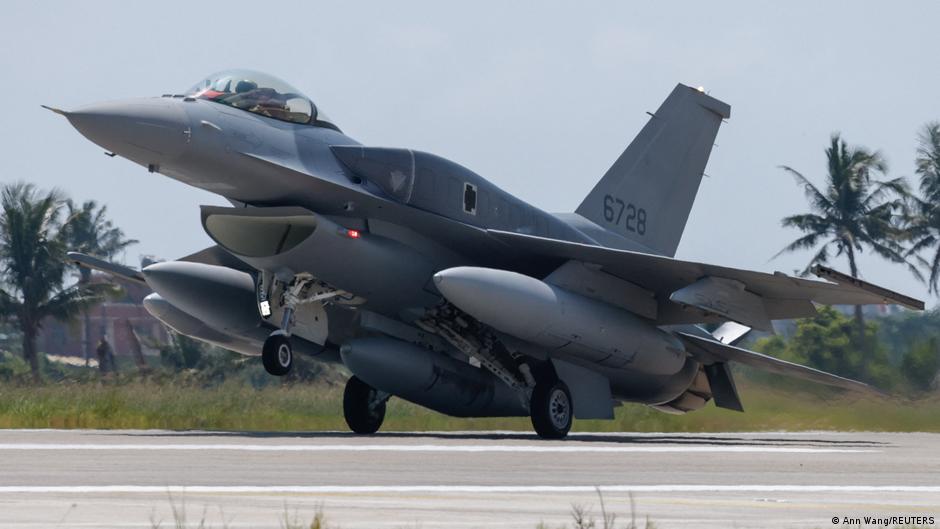
- Taiwan received its first two F-16V Block 70 fighters on October 2 at Taitung's Chihhang Air Base, the initial delivery of a US$8 billion, 66-jet procurement approved by Washington in 2019 and delayed by production-line and software integration issues.
- Lockheed Martin's F-16V Block 70 — powered by GE F110 engines with APG-83 AESA radars and the AN/ALQ-254(V)1 Viper Shield EW suite — replaces retired F-5s in the 7th Tactical Fighter Wing and will push the ROCAF's active F-16 fleet beyond 200 jets once remaining deliveries arrive this year.
- China's PLA flew a record 3,764 air incursions into Taiwan's ADIZ in 2025, a 22.4% jump over 2024, with monthly sorties averaging 319 since President William Lai's May 2024 inauguration as the baseline never fell below 209.
- China's J-20 stealth fleet may have reached roughly 500 airframes by mid-2026 across 14 frontline brigades and three test bases, with analysts projecting 1,000 across all variants by 2030 — while the US is unlikely to supply Taiwan with F-35s over technology-leak concerns.
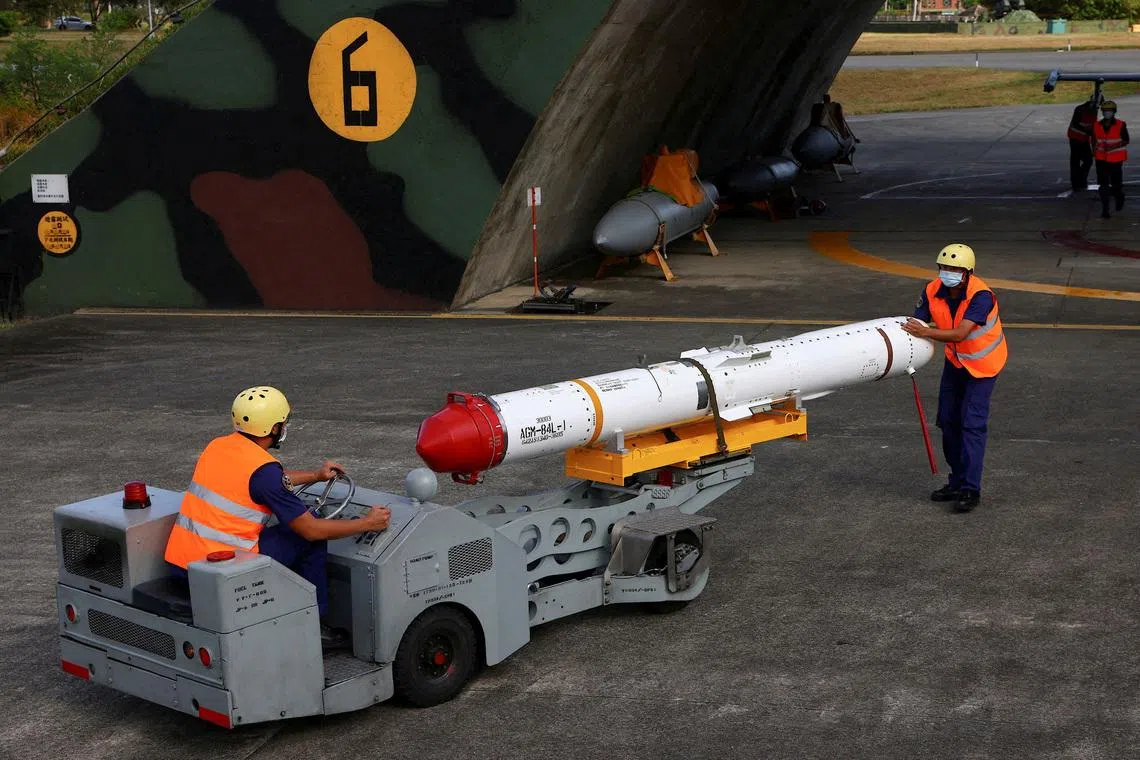
- Stimson Center analysts warn that DF-11 and DF-15 short-range ballistic missiles plus PCH-191 rocket launchers could crater Taiwan's 17 military and civilian airfields, trapping F-16s inside hardened mountain shelters for weeks during an invasion's decisive opening phase.
- F-16V Block 70's 12,000-hour structural lifespan — over 50% longer than older F-16 models — provides critical peacetime relief against the wear of daily intercept missions, though experts argue fifth-generation fighters are now the baseline for peer-level air dominance.
Why it matters: The 66-jet, US$8 billion F-16V deal solves a real peacetime attrition problem: Taiwan's fleet faces 3,764+ annual Chinese ADIZ incursions that burn flight hours and exhaust pilots. But the source's deeper finding is that wartime utility is sharply constrained — with ~500 Chinese J-20s in service and no fifth-gen jets for Taiwan, the real deterrent depends on ground-based air defenses, dispersed drone units, and rapid runway repair keeping runways operational under Chinese missile salvos.
Ask SkimNews